Have you ever felt a soft, lingering sadness after your baby arrives? It’s like a quiet heaviness that sticks around even when you should be happy.
Sometimes, that tired feeling might hide worries deeper than the usual baby blues. A lot of moms face feelings that go beyond being just a bit sleepy. Every day can feel more challenging when these emotions weigh you down.
Catching these feelings early can really make a difference. When you notice that you're down all the time or feeling worried a lot, chatting with a friend or professional can help you find your balance again.
Getting help early means you can take back control, and soon, you might just find that familiar spark of joy returning.
postpartum depression symptoms: Embrace Early Support
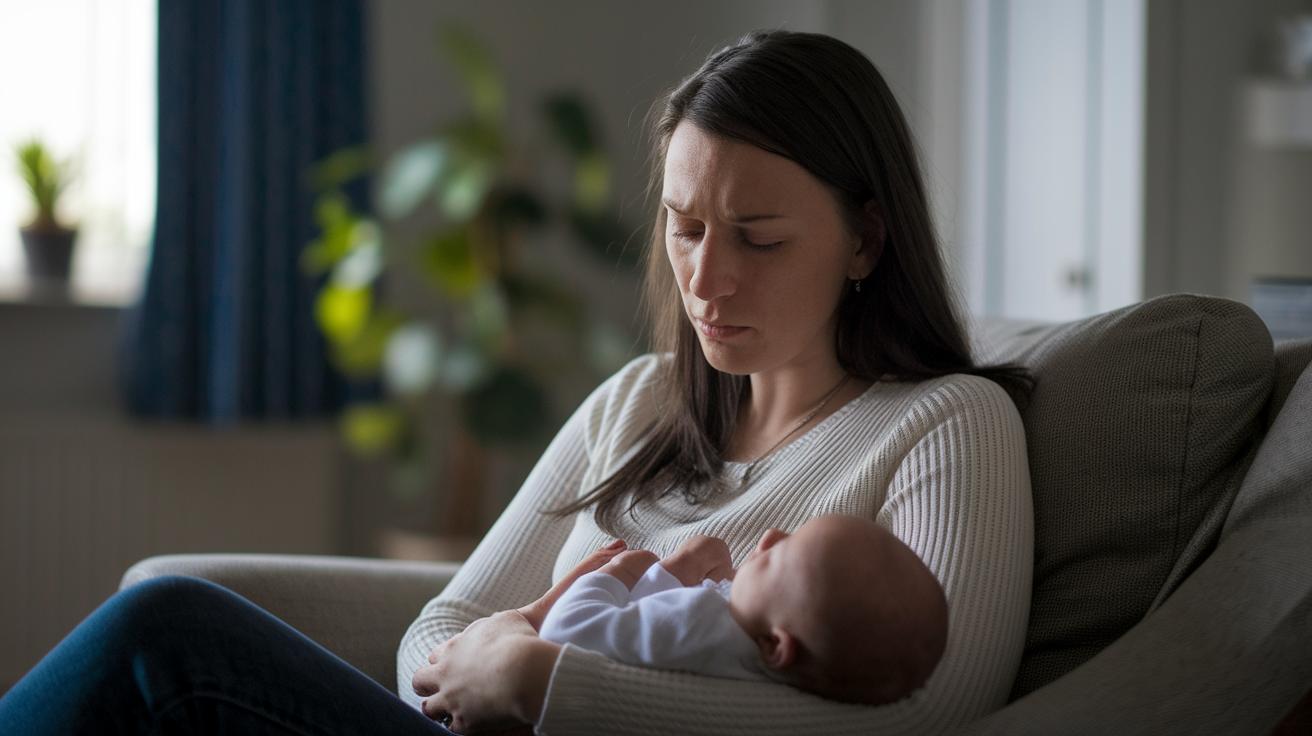
After a baby is born, it’s normal for many moms to feel a bit down for a couple of days, this is often called the baby blues. But for some moms, the feelings go much deeper and stick around longer. Postpartum depression (PPD) usually starts one to three weeks after delivery and can last for many months, sometimes up to a year. It makes everyday tasks seem overwhelming and can drain your energy and confidence, making it hard to care for your little one.
Here are some signs that you or someone you know might be experiencing PPD:
- Constant sadness or a low mood
- Strong feelings of anxiety or panic
- Feeling guilty, worthless, or blaming yourself
- Crying often, even when you can’t explain why
- Losing interest in things you once enjoyed
- Trouble sleeping, whether it’s insomnia or sleeping too much, beyond normal tiredness
- Pulling away from friends and family
- Finding it hard to bond with or connect emotionally with your baby
- Feeling extremely tired or having very low energy even after resting
- Sudden mood swings and irritability
It’s important to remember that while many new moms have ups and downs, these signs are different. The baby blues are usually mild and fade away as your body adjusts after birth. PPD, on the other hand, is a deeper and more persistent change in mood. It affects how you feel, how you connect with your baby, and how you handle daily life. Recognizing these symptoms early on can really help. Once you know what’s going on, you can reach out for the support you need. Early help can lighten the load and guide you back to feeling more balanced and confident every day.
Risk factors and hormonal imbalance cues for postpartum depression

After giving birth, your body goes through lots of quick changes in hormones. These changes can make your mood swing, sometimes making you feel sad or worried. When estrogen and progesterone drop fast, you might feel anxious, down, or even question your role as a mom. Noticing these signs early helps you get the care you need.
Here are some things to look out for:
- A sudden drop in estrogen and progesterone
- A past history of depression or anxiety
- Big stress at home, like money troubles or health issues
- Little support from family or friends
- Struggles with feeling like a good mom
Talking about these factors during your postpartum visits can really help. Sharing your own experiences or family history of depression or anxiety allows your healthcare provider to offer care that fits you best. Spotting these signs early means you and your care team can work together on simple steps to help you feel better. Remember, you’re not alone in this journey.
Physical and cognitive changes tied to postpartum depression symptoms

When you're dealing with postpartum depression, it’s not just about feeling a little tired or off. Your body and mind both go through changes that can make each day feel extra challenging. You might find that no matter how much you sleep, your body still feels exhausted, or that your mind is foggy, making even simple tasks feel overwhelming.
I know it can be really tough to keep track of these shifts, especially when you’re already juggling so much. Sometimes it feels like a gentle cloud is hanging over your thoughts, and that can make concentrating or remembering things a real struggle. Here are some common examples you might notice:
| Change Type | Examples |
|---|---|
| Physical Tiredness | Feeling extremely tired even after resting |
| Mental Fog | Struggling to focus and forgetting things |
| Sleep Disruption | Having trouble falling asleep or sometimes sleeping too much |
| Decision-Making | Finding it hard to make even small choices |
Keeping an eye on these changes is really important. Noticing what’s happening can help you have a clear, honest conversation with your healthcare provider. After all, finding the right support might just be the first step toward feeling like yourself again.
Effects of postpartum depression symptoms on mother-infant bonding

Bonding is all about forming a warm, loving connection with your baby. This connection helps your little one feel safe and cared for as they start exploring the world.
When a mom goes through postpartum depression, she might feel sad, numb, or irritable. These feelings can make it tough to share those important moments like eye contact and gentle hugs that build a deep bond. Sometimes, a mom may miss those little moments of closeness, which means her baby might not feel as secure right from the start.
If bonding gets disrupted, children might struggle to trust others or express their feelings later on. These early bumps in attachment can affect how they make friends and handle emotions as they grow.
There are gentle ways to help mend that vital connection. Experts suggest trying mother-infant therapy, nurturing counseling, or joining community support programs. Even setting aside a few quiet minutes together can help bring back that warmth every day.
When to seek help for postpartum depression symptoms

Postpartum depression is something we can treat, and keeping an eye on your feelings can help spot any signs early. Many new moms are encouraged to chat about how they feel during postpartum and pediatric visits so that their mental health gets the care it deserves. Knowing that help is nearby can really ease your mind.
Here are a few steps that might be useful:
- Watch your feelings for more than two weeks.
- Try a trusted self-check (like the Edinburgh Postnatal Depression Scale or another online mental wellness test).
- Talk about your results with your OB-GYN or pediatric provider.
- If it seems right, ask for a referral to a mental health specialist.
- Look into local support groups or community programs for extra help.
Sometimes, it can feel scary or confusing to reach out for help when your emotions seem too overwhelming. But taking these steps can not only make your recovery a bit smoother, it can also stop the symptoms from taking a stronger hold. Reaching out early to a caring healthcare professional might just help bring you back to a more balanced and supported place.
Treatment options for postpartum depression symptoms

When you’re feeling down after having your baby, a care approach that mixes medical help with emotional support can make a real difference. This means combining therapy and medicine to help you start enjoying those precious moments with your little one again.
- Talking with a licensed therapist using techniques like CBT (cognitive behavioral therapy) or IPT (interpersonal therapy) can help guide you.
- A psychiatrist or OB-GYN may suggest antidepressant medication to help balance your mood.
- Joining a peer support group or a community program can give you a safe space to share and learn from others.
- Simple self-care steps like a bit of exercise, getting enough sleep, and eating well can also lift your spirits.
It’s important to tailor your care to your own needs. Working side by side with your healthcare provider lets you adjust treatments until you feel your best. Sometimes, even a little extra support from family can really brighten a tough day.
Regular check-ins with your doctor or someone you trust can help you notice your progress, making sure you’re moving toward feeling like yourself again. Listen to your feelings and be ready to change things if you need to. Every small step helps you recover and bring back that vibrant part of you.
Final Words
In the action of exploring mood changes, risk factors, and physical or cognitive cues, this article uncovers key postpartum depression symptoms. It shows how emotional distress after delivery can affect bonding and everyday life while highlighting when to seek help. We also shared treatment options ranging from counseling to community support so new parents can feel understood and empowered. Each section offers a clear view of what signs to watch for and the care available. Small steps can help turn challenges into a positive change.
FAQ
What causes postpartum depression?
The causes of postpartum depression include rapid hormonal changes after delivery, a history of depression or anxiety, significant stress or financial strain, and limited social support that may heighten feelings of sadness and anxiety.
How to fix postpartum depression?
The approach to fixing postpartum depression involves seeking professional help, such as therapy or medication, joining support groups, and practicing self-care like balanced nutrition and sleep management to relieve emotional strain.
When do you get postpartum depression?
Postpartum depression often develops within one to three weeks after birth but can show up anytime within the first year, especially when emotional and physical demands overwhelm a new mother.
What is the 5 5 5 rule for postpartum?
The 5 5 5 rule for postpartum is a guideline suggesting that if you experience symptoms like low mood, sleep issues, or social withdrawal for five days repeatedly over a span of five weeks, you should consider consulting your healthcare provider.