
Ever feel like all the feeding advice out there is just too much? I get it, so many ideas can leave you feeling a little overwhelmed. That's why we've put together this guide to help you out in a simple, cheerful way. When your baby is brand new, they really only need breast milk or formula (which is the basic drink they need to grow strong). We'll walk you through easy feeding amounts and daily routines that help bring a sense of calm to your hectic day. Ready to make feeding time a little simpler and enjoy every reassuring sip?
Infant Feeding Essentials: Newborn Nutrition Basics

Your baby starts out with a gentle, still-growing tummy. For the first few months, their tiny bellies can only handle very simple foods. That’s why from birth until about 4 to 6 months, it’s best to stick with just breast milk or formula. These liquid meals give all the important nutrients in a way that is easy on your little one’s developing digestive system. Think of it like a soft lullaby with every feed, gentle, balanced, and soothing.
Feeding your baby only milk helps build a strong base for healthy growth. Keeping their diet simple means you’re not introducing foods that might upset their tender tummy. This way of feeding supports steady weight gain and helps your baby's body slowly adjust to digesting food. It’s like offering a small spoonful of reassurance with every sip, each feeding builds a step toward balanced growth.
• 0–3 months: 6–8 feeds per day, about 2–4 oz each
• 4–6 months: 4–6 feeds per day, 4–6 oz each
• 7–9 months: 5–6 feeds per day, 6–8 oz each (if bottle-feeding)
You can also look for simple signs to know everything is on track. Regular checks, like watching your baby’s weight and counting their wet or dirty diapers, tell you if they’re thriving. When your baby consistently doubles their birth weight (usually reaching around 13 pounds or more) and their diaper changes are normal, it’s a clear sign they’re getting just the right mix of nutrients to grow strong and steady.
Scheduling Infant Feeding: Milk Intake and Daily Routines

Creating a daily feeding routine can bring a cozy rhythm to your baby's day and help them feel secure. When you tune in to your baby's little signals, like a bit of fussiness or leaning forward during feeds, it's almost like deciphering a sweet secret language. This simple routine not only helps you recognize their hunger cues but also supports steady growth and a sense of comfort.
| Age Range | Daily Volume (fl oz) | Approximate Feeds/Day |
|---|---|---|
| 3–9 months | 24–32 | 8 (3–7 months), 6 (8–9 months) |
| 10–11 months | 20–30 | 5 |
| 12–15 months | 14–20 | 3–4 |
| 16–24 months | Up to 16 | 2–3 |
Remember, these numbers are just friendly guidelines, and every baby is unique. If you notice extra smiles or your little one turning away, it might be time to tweak the feeding times or amounts. Trust your instincts and enjoy the journey of tuning into your baby's needs every day.
Guide to Infant Feeding: Breastmilk Vs. Formula Choices

Breastmilk is like a natural gift, packed with antibodies and essential nutrients that gently protect your little one. Babies who breastfeed often eat on their own schedule, sometimes having more than eight feeds a day as they follow their soft signals. Imagine a quiet evening moment when the soft coos of your baby feel like a secret conversation between you two.
Formula feeding involves serving measured bottles, usually starting with about 4 to 6 ounces per feed. This method lets you see exactly how much nutrition your baby receives, with each bottle acting like a mini meal made just for them. Plus, the routine itself, finding the right position, ensuring a steady flow, and keeping everything tidy, adds a sense of calm and balance to feeding time.
Sometimes, many families choose a blend of expressed breastmilk and formula. You might pump milk for some scheduled feeds and use formula when you're out or need a break. This way, your baby enjoys the natural benefits of breastmilk along with the consistency and convenience of formula. It’s a flexible choice that supports steady growth while keeping mealtimes cheerful and stress-free.
guide to infant feeding: Cheerful Nutrition Steps

Introducing solids is such a joyful milestone in your baby’s journey. Often, little ones show signs they’re ready between 4 and 6 months. They may have doubled their birth weight (around 13 pounds or more) and start holding their head up steady or using their thumb and finger to pick up small things. These gentle signals tell you it might be time for new tastes and textures alongside their usual milk feeds.
Signs of Readiness
Watch for cues like steady weight gain, strong head control, and the start of a pincer grasp. When your baby can grab a soft toy or even your clean finger, it may be a sign to try some solid foods. I often think, “When my little one can pick up tiny bits with their thumb and index finger, it feels like the right moment for a spoonful of smooth puree.”
Starting Solid Foods
Begin with small amounts of single-ingredient purees such as carrot, apple, or sweet potato. For babies around 6 to 8 months old, offering just a few teaspoons once or twice a day works well while continuing with regular milk feeds. Imagine gently serving a tiny spoonful from a favorite dish, it’s a soft introduction to new flavors that builds on the nutrition your baby already enjoys.
Progressing Textures Safely
As your baby grows more comfortable with purees, slowly move to mashed foods and, by around 8 to 9 months, to soft finger foods. Always watch closely for any signs of difficulty swallowing or concerns about choking. You might say, “I transition slowly from smooth purees to a slightly chunky mash, making sure every step matches my baby’s comfort level.”
Managing Infant Feeding Challenges: Recognizing Warning Signals

When your baby is eating well, you’ll see steady growth and a happy routine. A well-fed little one usually gains weight at a steady pace and has about 6–8 wet diapers each day. If you notice slower weight gain or fewer wet diapers, it might be a nudge that something isn’t quite right, like a garden that isn’t blooming as it should.
It’s important to watch how your baby signals hunger and fullness. A content baby often looks relaxed and calm after a meal. But if you see signs of fussiness, like consistently turning away from the bottle or breast, it might mean their feeding routine needs a little adjustment. Sometimes, spacing breastfeeding by around two hours before a meal can help your baby show clear hunger cues and enjoy meal times more.
| Warning Sign |
|---|
| Slow weight gain despite regular feedings |
| Frequent spit-up that disrupts feeding time |
| Refusal to take the bottle or breast effectively |
| Low diaper output signaling less liquid intake |
| Food aversions limiting acceptance of solids |
If you keep noticing these signs or if your baby seems unusually sleepy or less responsive during feeding times, it might be time to reach out to your pediatrician. Trust your instincts, sometimes a small change and a friendly chat with a doctor can make all the difference.
Expert Tips in Your Guide to Infant Feeding: Proven Strategies

Using open-cups or straw-cups during mealtime is a fun way to help your little one move from bottles or breastfeeding. It lets your baby learn to drink on their own and feel a bit more grown-up, almost like discovering a neat new way to enjoy their favorite drink.
When your baby turns 12 months, you can start introducing a little cow's milk or plant-based milk. This gentle change brings a fresh taste while still keeping things nutritionally balanced. It’s a simple way to help your toddler get used to new flavors bit by bit.
A handy companion app can make tracking food introductions, portion sizes, and even allergen details so much easier. Imagine a little organizer that logs every new taste your child tries and shows you which purees they love the best. It really helps give you peace of mind and a clear snapshot of your baby's growing preferences.
Making versatile purees at home is another fun idea. Blend different fruits and veggies into smooth, tasty mixes that capture your baby’s curiosity. This creative twist not only makes mealtime delightful but also ensures your little one gets a variety of important nutrients as they grow.
Tracking Infant Feeding Progress: Meal Logs and Charts
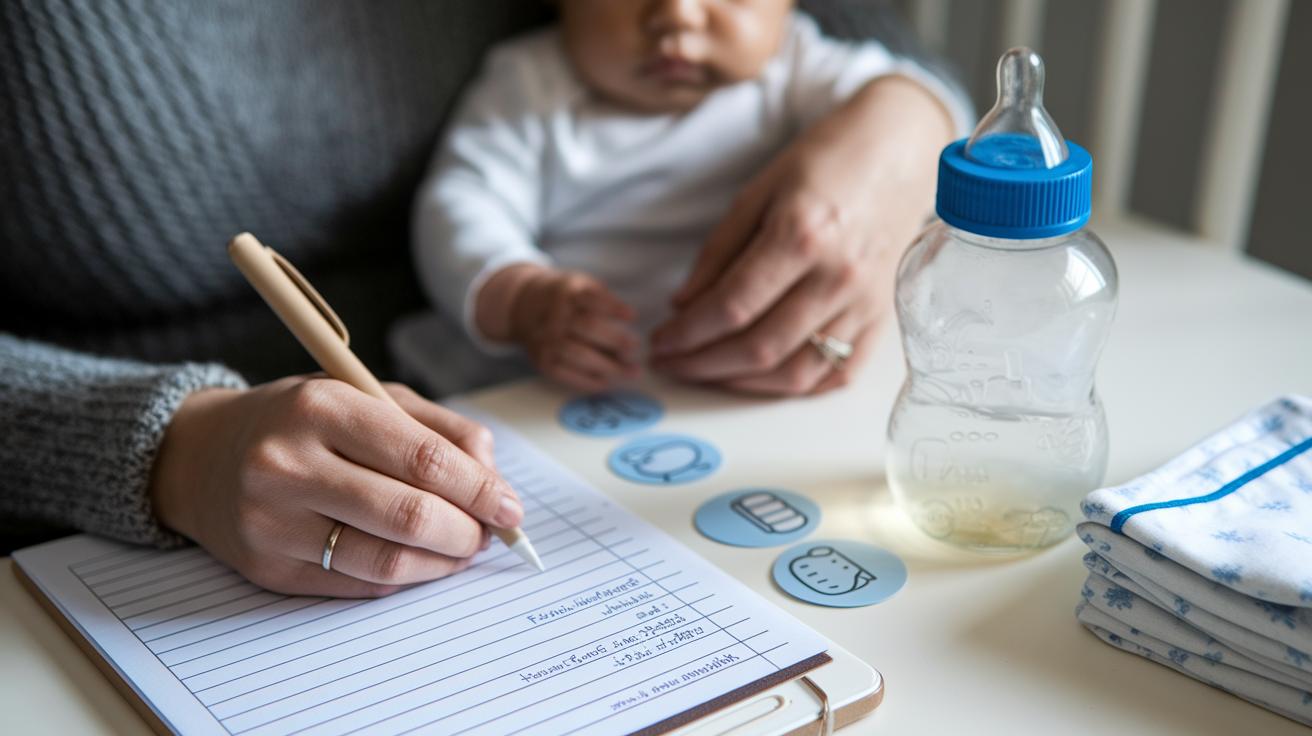
Keeping track of your baby's feeding is a gentle way to see how they're growing. Writing down each day's milk, solid food portions, and diaper counts helps you notice little trends, like when a day with a bit less milk also means a smaller solid meal. It’s like having a friendly guide to your baby’s nutritional journey.
When you jot these details down, you capture the moments that matter. It might even pop up that on some quieter days, a small change in feeding works just right. Plus, sharing these notes with your pediatrician can make those check-ups easier and more relaxed.
Here’s what you can note:
- The amount of milk your baby drinks during the day.
- The portions of solid foods served at meals.
- The number of wet and dirty diapers.
Reviewing your log once a week can really shine a light on your baby’s patterns. It might show that some days call for a tiny adjustment or that a steady routine really brings out the best in your little one. This simple practice keeps you close to every feeding moment, adding a little extra warmth to your daily care.
Final Words
In the action of caring, we've covered everything from newborn nutrition basics to creating simple routines and comparing breastmilk and formula. We touched on gentle ways to introduce solids and manage everyday feeding challenges. Practical tips like checking diaper counts and keeping a feeding log support your efforts in infant feeding. Each step helps build a solid foundation for your baby's growth. Keep embracing these moments with optimism and trust in your ability to nurture growth everyday.
FAQ
What is a guide to infant feeding schedule and how can I use a feeding chart?
A guide to infant feeding schedule explains how often and how much milk your baby should have. It shows charts by age—like newborns having 2–4 oz per feed—and helps you plan daily routines.
What is the proper formula milk quantity for babies 0–6 months?
The formula milk quantity for babies 0–6 months typically means 4–6 oz per feeding, making up about 24–32 fl oz per day, which supports steady growth and regular feeding patterns.
What does a newborn feeding chart in ml indicate?
A newborn feeding chart in ml details the exact milk amounts per feeding in milliliters. It helps monitor your baby’s intake so you can keep track of their nutrition and growth.
What are the signs of poor feeding in a newborn?
Signs of poor feeding in a newborn include slower weight gain, reduced wet diapers, and increased sleepiness. These signals suggest you should check with a healthcare provider for your baby’s well-being.
Where can I find the WHO infant feeding guidelines in PDF?
The WHO infant feeding guidelines PDF is available through official health organization websites, offering trusted advice on breastfeeding practices and nutritional standards for your infant.