
Have you ever wondered if taking care of yourself is just a little luxury instead of something you truly need? It’s not always easy for moms to find even a few minutes for themselves during busy days. I once heard a mom share that even a few moments of slow, mindful breathing made a big difference when times were tough.
That’s why our guide, Mental Wellness for Mothers: Uplifting Self-Care Tips, offers gentle and simple ways to care for your mind while you care for your little one. Even small moments of calm can lift your spirits and remind you that your well-being matters too.
Empowering Mental Wellness for Mothers: Key Strategies and Resources
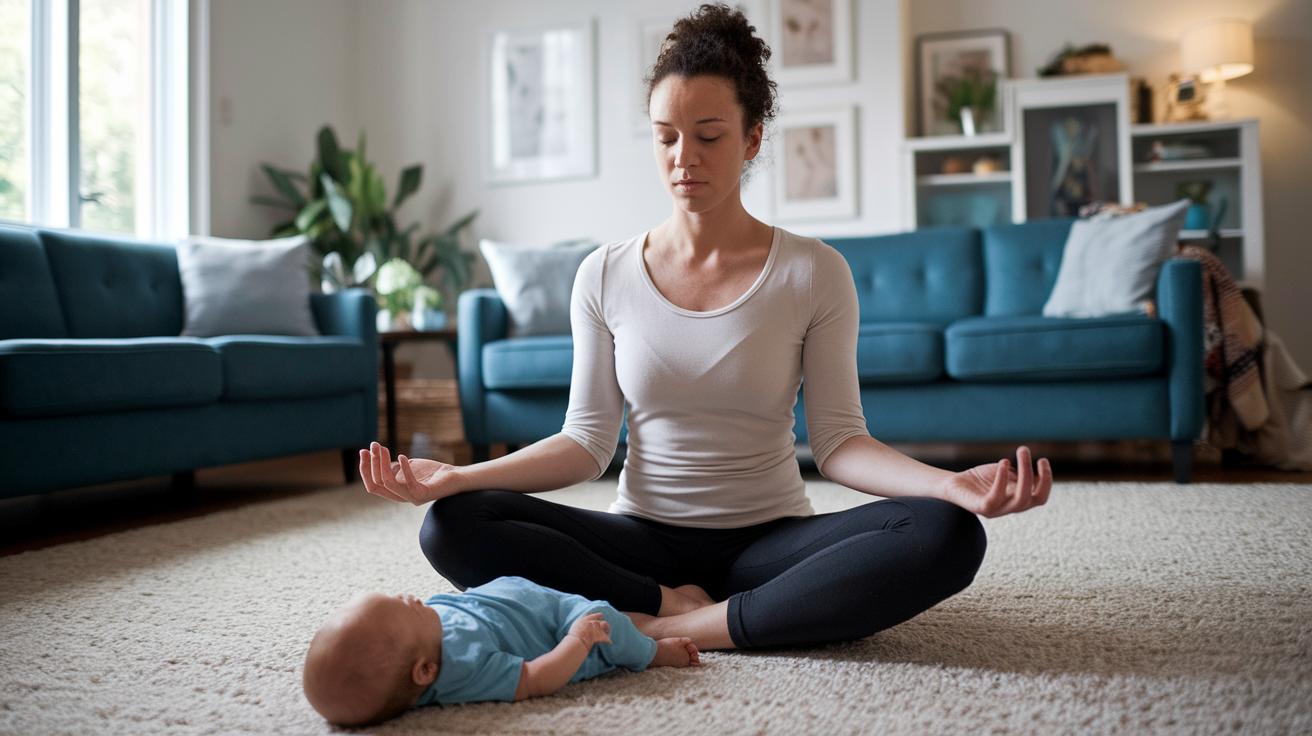
Being a mom can sometimes feel overwhelming, especially in the early days. It’s important to have a warm, supportive space to care for your own mental health, just like you care for your little one. Sometimes pregnancy and early motherhood come with a mix of challenges that can bring mood swings and stress. This guide is a gentle reminder: taking care of yourself matters just as much.
A great way to ease those feelings is to carve out little moments for yourself. Even just a few minutes for mindful breathing or a calming pause can make the day feel a bit lighter. I remember a friend saying how a short few minutes in the morning helped her manage the chaos of the day. Little acts like this not only boost your mood but also support your overall mental health after giving birth.
Simple self-care can also include things like jotting down your thoughts, taking a light walk, or enjoying a bit of exercise. These small routines can really help you feel more balanced, even when life gets busy. Just think about it, every tiny bit adds up over time.
Experts at the Child and Family Institute remind us that leaning on professional support is a smart move, too. Whether it’s joining a group session or talking one-on-one with a counselor, getting help can be a game-changer. Don’t be afraid to ask for support as you work on building a strong, resilient mindset.
| Strategy | Description | Example Action |
|---|---|---|
| Mindfulness | Helps reduce stress through focused breathing | Five minutes of deep breathing |
| Journaling | Supports processing daily emotions | Write down one positive thought daily |
| Physical Activity | Boosts mood and energy | A short walk around the block |
Remember, clear, simple self-care steps can help create lasting mental wellness and give you the strength to enjoy both the happy and challenging moments of motherhood.
Understanding and Managing Postpartum Depression for Mothers’ Mental Wellness

Postpartum depression is more than just feeling a little blue after your baby arrives. It can show up as deep sadness, constant tiredness, and a loss of interest in things you once enjoyed. Many mothers, up to 15%, can face these feelings during pregnancy and the early days of motherhood. Imagine feeling happy and sad at the same time, much like when a dear friend confided that her first months with her baby were a confusing mix of joy and unexpected tears.
StrongMinds uses a special group therapy approach that brings moms together to share their stories. The experience is like sitting in a warm circle where everyone supports one another, and just knowing you aren’t the only one can bring a lot of comfort. Even meeting once a week in a small group can make a big difference, giving you a little hope and a sense of belonging.
One touching story comes from a 34-year-old mom in the Kanugu District of Uganda. While she was dealing with an HIV-positive diagnosis, she also battled feelings of depression during her pregnancy. Her journey reminds us to be gentle with ourselves and to look out for signs that we might need a bit more care during those challenging early moments.
If you or someone you know is feeling overwhelmed or the sadness sticks around for too long, it might be time to reach out for a bit of extra support. Here are a few steps to consider:
- Keep an eye on any changes in mood or behavior.
- Connect with healthcare professionals who understand postpartum care.
- Join a group therapy session where moms come together to share and heal.
Taking these small steps can help ease the struggle of postpartum depression and support your mental wellness during this important time in life.
Professional and Peer Support Initiatives
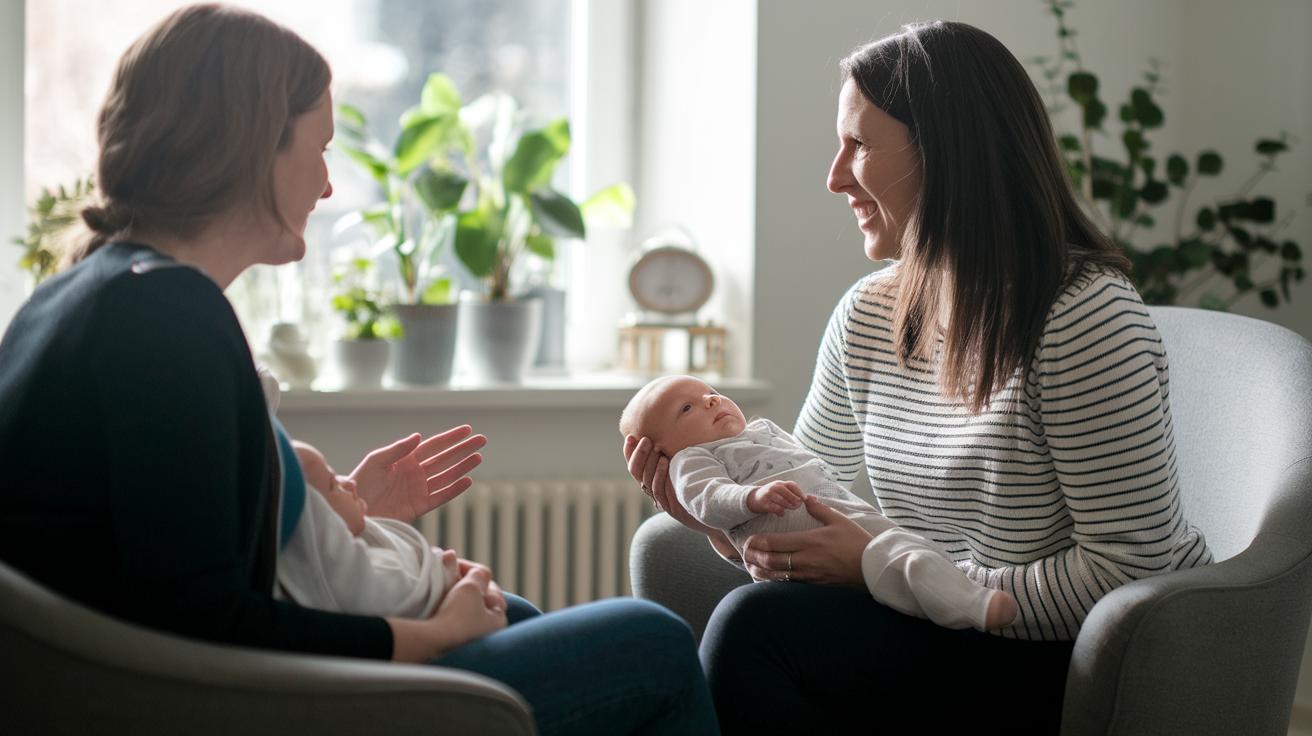
Moms looking to feel better and ease the struggles of postpartum depression can find real help with care that mixes friendly group sessions, expert check-ups, and treatment steps. At the Child and Family Institute, caring professionals offer depression screenings and treatment options based on solid research. One mom said she finally felt understood and less alone during a group session.
StrongMinds also believes in the power of talking together. Their group therapy sessions show steady progress, with reports highlighting how sharing stories builds inner strength. One mom shared, “When I told my story in the group, I saw real progress in managing my worries.”
If you’re interested in these supportive programs, here are some simple steps to get started:
- Find counseling focused on mental health during and after pregnancy.
- Join a peer support group where moms share their experiences and helpful tips.
- Take part in group sessions that offer clear, research-backed advice.
These trusted programs, which have even earned media awards, guide moms on a clear, evidence-based path to better mental wellness and care after childbirth.
Cultivating Self-Compassion and Mindful Parenting for Mother Mental Wellness

Recent research shows that being kind to ourselves really helps ease the emotional ups and downs that moms often face. One simple idea is to try a quick mindfulness exercise right after your child's nap. Sit down with your little one, and take a few slow, deep breaths together. Imagine the calm that comes with every gentle inhale, like the warmth of a shared smile. Try saying, "I am enough for both of us" as you breathe, this small phrase can work wonders to soothe your feelings.
A study at the Child and Family Institute found that moms who regularly take a moment for self-kindness feel happier and more balanced. Along with breathing, you might also enjoy a practice of mindful listening with your child. When they talk or play, really focus on the sound of their words and the lightness in their laugh. Every little moment becomes an opportunity to bond and share care.
For more ideas on nurturing yourself and embracing your emotions, check out our guide on postpartum healing and self-compassion.
| Technique | Benefit |
|---|---|
| Mindful Breathing | Helps calm emotions and brings focus |
| Mindful Listening | Builds a warm connection with your child |
Creating Sustainable Self-Care Routines for Lasting Mental Wellness for Mothers

Every day, setting aside a little time just for you can make all the difference. Even twenty minutes of self-care can clear your mind and lift your spirit. Imagine starting your morning with a quiet pause, sipping your coffee while you plan a pocket of time dedicated only to you.
Balancing work and home life sometimes feels like a little act of defiance. Try adding one activity that really makes you happy, whether it’s reading a book you love or taking a gentle evening stroll. These small moments add up, giving you a hidden reserve of energy for those tougher days.
Taking care of your sleep is another key step. A steady bedtime ritual, like putting your phone away and softening the lights early, can turn your evenings into a peaceful retreat. Picture yourself sliding under a soft, warm blanket after a long day, it’s a little slice of calm that you deserve.
Good food lifts your mood too. Think about making meals that not only feed your body but also delight your senses. Imagine tossing together a colorful salad or simmering a hearty soup with fresh ingredients that brighten your day.
Mixing simple self-care routines with thoughtful work–life balance and mindful sleep and nutrition habits creates a daily ritual that nurtures both you and your family. It's a gentle reminder that while you care deeply for your loved ones, you also deserve time to relax, reflect, and simply be.
| Routine | Focus | Example Action |
|---|---|---|
| Morning Quiet Time | Mindfulness | Enjoy a warm beverage with reflection |
| Evening Wind-Down | Sleep Hygiene | Dim lights and detach from screens |
| Nutritional Planning | Mood Support | Prepare balanced, colorful meals |
Final Words
In the action, this guide shared ways to balance caregiving with personal care. It highlighted stress management, mindful parenting, and small daily routines that make a big difference.
We saw how professional support, self-compassion, and peer networks form a strong foundation for mental wellness for mothers. Each strategy is a step forward, helping mothers embrace each day with confidence and a warm sense that they’re never alone.
FAQ
Mom mental health quotes
Mom mental health quotes refer to short, supportive messages that encourage self-care and remind mothers they are not alone in managing stress and emotions.
Moms Mental Health Initiative
Moms Mental Health Initiative is a program designed to raise awareness and share resources that help mothers care for their emotional wellness and navigate everyday challenges.
Maternal mental health PDF
Maternal mental health PDF describes a downloadable resource offering expert advice, practical tips, and research-backed insights to support mothers in maintaining emotional well-being.
The impact of motherhood on the course of women’s psychological wellbeing
The impact of motherhood on psychological wellbeing shows that parenting can influence emotional health, with supportive care and self-compassion playing key roles in easing challenges.
Maternal mental health research
Maternal mental health research involves studies that examine how motherhood affects emotional health and shape better support systems to guide mothers through various emotional phases.
Impact of maternal mental health on child development
Impact of maternal mental health on child development indicates that a mother’s emotional state can affect her child’s growth and behavior, making early support beneficial for both.
Mother with mental health issues
A mother with mental health issues faces distinct challenges that can affect family life; seeking professional help, community support, and self-care practices can create a positive path forward.
Perinatal mental health
Perinatal mental health addresses emotional well-being during pregnancy and after childbirth, emphasizing the importance of timely support and self-care for new mothers.
How to improve mental health as a mom?
To improve mental health as a mom, practical steps like establishing self-care routines, managing stress with daily practices, and connecting with supportive networks can make a significant difference.
What are the 5 C’s of mental health?
The 5 C’s of mental health highlight key components such as care, connection, competence, confidence, and coping, which together help foster emotional stability and resilience.
What are the 7 behaviors for improving mental health?
The 7 behaviors for improving mental health include practices like self-reflection, regular physical activity, positive self-talk, managing stress, effective communication, nurturing relationships, and embracing self-compassion.
What is TLC mama?
TLC mama refers to a supportive resource or program that provides caring guidance, practical tips, and community connections to help mothers nurture their emotional wellbeing.