Have you ever noticed that a few tiny shifts in your day can warm your heart and ease a heavy mind? Sometimes, taking a quiet moment, going for a short walk, or savoring a healthy meal is all it takes to lift your spirit. Imagine it like splashing a bit of bright color onto an old, faded photo, each little step adds a new sparkle. Here, I'll share some simple tips to help you create a gentle routine that refreshes your thoughts and adds a little extra light to your life.
Comprehensive Mental Wellness Strategies You Can Start Today

Taking care of your mind and body can be as simple as trying out a mix of easy, everyday practices. When you blend a few different methods, you build a support system that can lift your spirits and ease stress. It's a bit like adding fresh ingredients to your favorite recipe, each one makes the whole meal better.
- Daily mindfulness practices
- A regular 20-minute walk or workout
- Getting 7–9 hours of good sleep
- Eating meals packed with nutrients (aim for 2 servings of fruits/vegetables each meal)
- Checking in with friends or loved ones every week
- Practicing thought-reframing exercises
Each of these steps plays its part in creating a balanced routine that lifts even the toughest days. Daily mindfulness helps you stay in the moment, so you can let go of stressful thoughts. A bit of physical activity keeps your energy humming, and quality sleep gives your body a chance to heal and refresh. Healthy meals fuel both your body and mind, while keeping in touch with friends reminds you that you're never alone. And rethinking negative thoughts can help you see challenges in a new light. Try mixing these practices into your day and notice how they work together to bring more balance and brightness to your life.
Understanding Mental Wellness Versus Mental Health
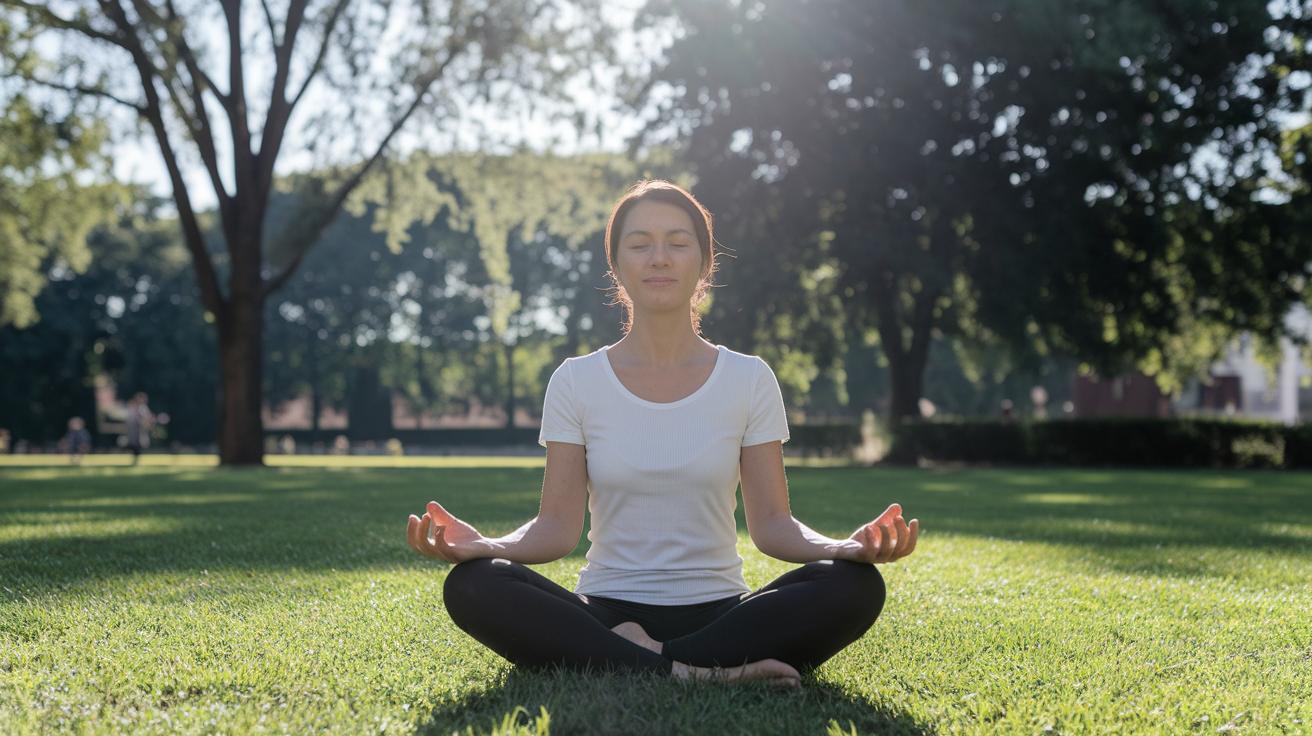
Imagine feeling happy, balanced, and strong in your day-to-day life. That’s what we mean by mental wellness, it’s a steady, positive state where you feel resilient and full of life. On the other hand, mental health often points to challenges like depression (deep sadness) or anxiety (constant worry). Sometimes we say someone is "feeling depressed" to capture a moment of sadness, but a clinical diagnosis is when a doctor looks at more detailed signs to understand what’s really going on.
It’s important to know the difference because it helps you decide what kind of care you might need. When you focus on boosting your mental wellness, you’re choosing little habits that nurture positive feelings and build up your strength. This approach means listening to your inner voice, celebrating your strengths, and handling everyday stresses with kindness toward yourself. It also helps you spot when it might be time to seek extra help from a professional, so you can keep everything balanced.
Even small acts of self-care, like getting a good night’s sleep or taking a moment to feel grateful, can lift your mood and help you feel peaceful. These easy, caring routines work every day to build a positive mindset that supports not just your feelings, but your whole sense of well-being.
Mindfulness and Present Moment Practices for Mental Wellness

Focusing on the present helps quiet a busy mind and brings a gentle clarity to your day. It’s like catching a small moment of peace amid the hustle.
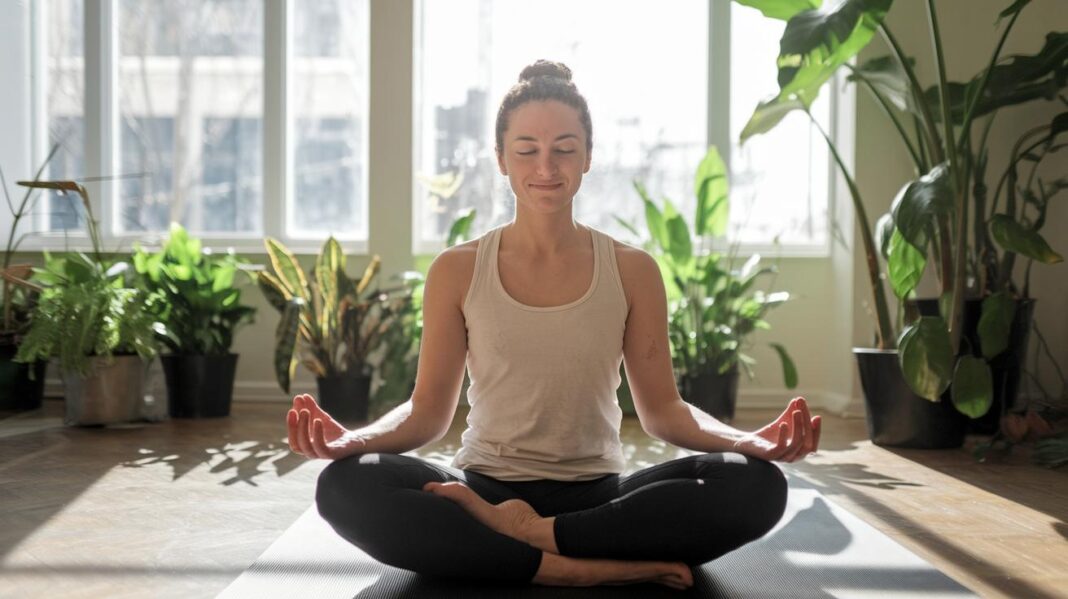
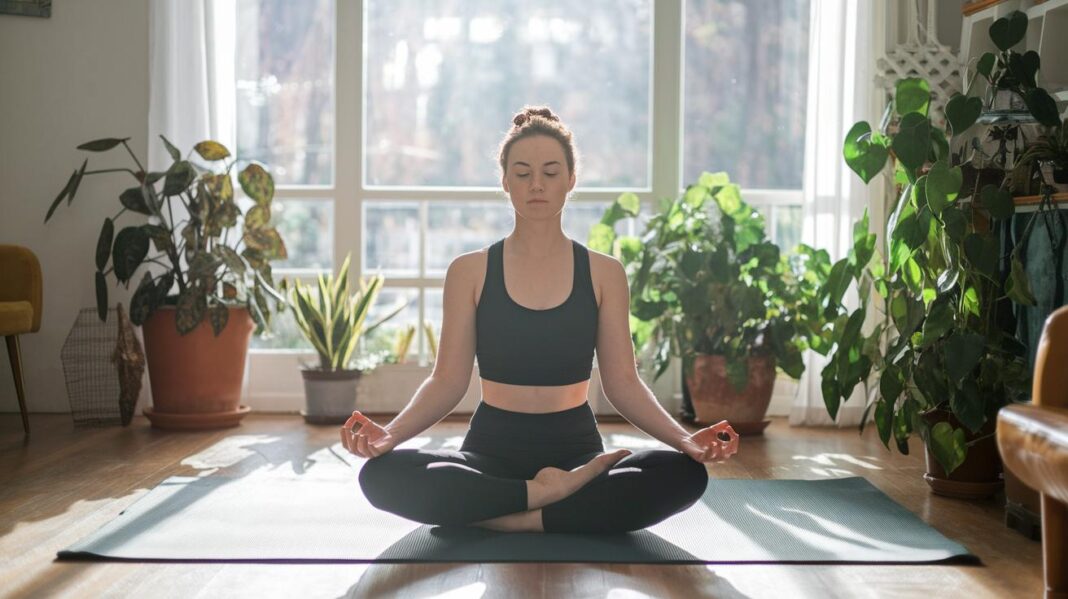
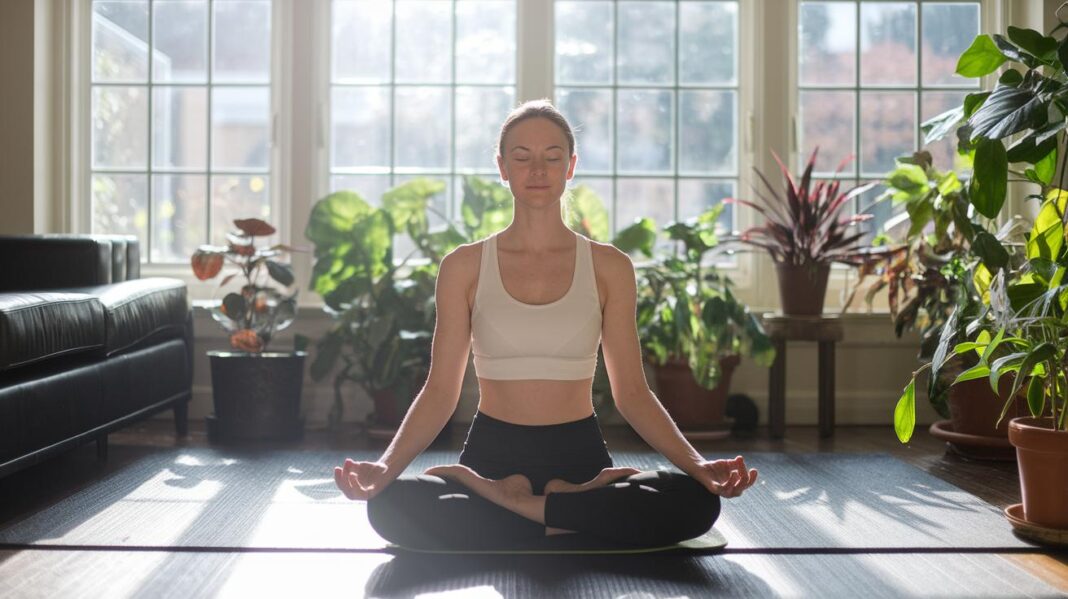
Try a 5-minute breathing exercise. Find a quiet spot, sit comfortably, and close your eyes. Breathe slowly in through your nose and let it out through your mouth. Really tune in to the feeling of your breath moving in and out. Picture each breath pushing away your stress, leaving you with a calm, peaceful feeling.
Next, consider a 10-minute body scan meditation. Whether you’re sitting or lying down, start at your toes and slowly move your attention upward. With every breath, notice how each part of your body feels, gently exploring away any tension. Allow your thoughts to drift as you lovingly pay attention to one area at a time.
Finally, try guided imagery grounding. Imagine a calming scene, a quiet beach or a sunlit forest, perhaps. Visualize the soft sound of waves or the rustle of leaves and feel the warm glow of the sun on your skin. Immerse yourself in this soothing image, letting it wrap you in comfort and help anchor your awareness in the beauty of now.
Lifestyle Adjustments to Reduce Stress and Enhance Wellness

Our everyday habits really set the mood for our day. It’s amazing how a few small, mindful tweaks can help calm the nervousness and bring more ease to your life.
Good sleep habits aren’t just about counting hours. Try setting a gentle bedtime routine, dim the lights, put away your digital devices early, and create a cozy, quiet nook. For instance, you might say, “After dinner, I curl up with a book in a softly lit room, letting go of the day’s hustle.” It’s a simple way to tell your mind that it’s time to rest.
Evening digital boundaries can work wonders too. Instead of getting lost in scrolling, try placing your phone in another room after dinner. One sweet tip is, “I leave my phone by the door so I can fully unwind before bed.” This little act can help you settle into a more relaxed state.
And if you have a moment in your day, step outside. Even a quick breath of fresh air can create a natural pause that helps ease your stress.
Building Emotional Resilience and Balance in Everyday Life

Emotional resilience is that gentle strength inside us that helps us handle life’s everyday stresses and bounce back when times get tough. It’s like having an inner calm that keeps us steady and flexible, so we can face challenges with a warm, brave heart.
One way to build this strength is with simple, everyday practices. Maybe start a gratitude journal, each day, jot down one small thing that made you smile, like a refreshing walk on a sunny morning. Try letting your true feelings out through writing, even if it feels a bit raw. Give yourself a kind moment by thinking, "I'm doing my best today." Repeat a few positive words to lift your spirit, check in with a loved one, or visit a friendly support resource. And don’t forget a little act of kindness, a smile shared or a helping hand can brighten someone else's day.
When anxiety starts to sneak in, consider using simple tools like progressive muscle relaxation. This means slowly tensing and then relaxing each muscle group to help ease the tension. Also, setting aside a small daily moment to worry can keep those anxious thoughts from overwhelming you.
Mix these steps throughout your day and watch how they create a balanced routine that supports both your inner strength and overall well-being.
Cognitive Behavior Techniques to Shape Healthy Thought Patterns

Our thoughts play a big role in how we feel every day. Even one negative thought can bring your mood down. When you notice your thoughts, you begin to see how your feelings follow suit.
The three-step process of cognitive behavior therapy is pretty simple. First, spot those automatic negative thoughts. When you’re under stress, your mind might jump to a harsh view without warning. Next, take a moment to check if the thought is really true by asking, "Is this really true?" This helps you see if the thought is just a false alarm. Finally, replace that negative thought with a more balanced one. For example, instead of saying, "I always mess up," try thinking, "I can learn from my mistakes and do better next time." Over time, this change can help your self-talk become kinder and more supportive.
You might even want to keep a thought-tracking journal for 14 days. Write down your thoughts and see how your thinking starts to change for the better.
Nurturing Social Connections and Support Systems for Mental Wellness
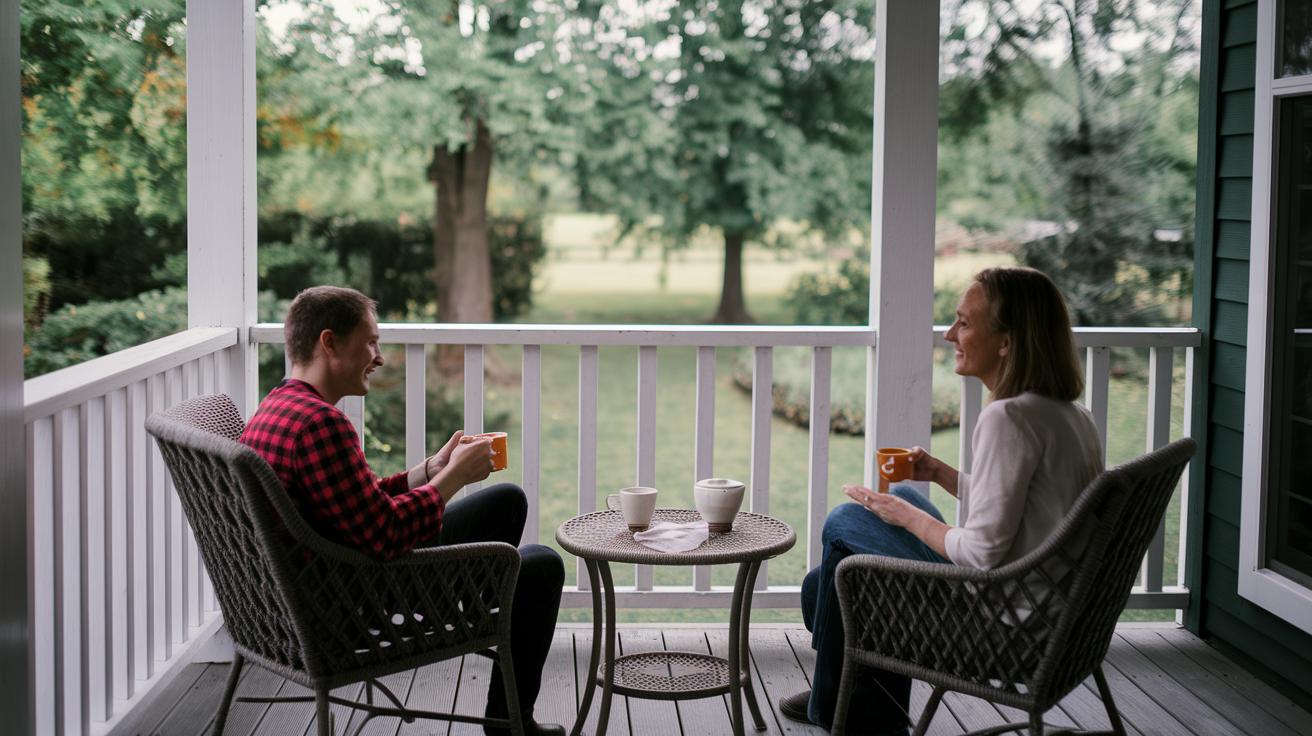
Connecting with others is a friendly reminder that you're never truly alone. A quick chat with a neighbor or a shared laugh with a friend can really brighten your day.
How about setting aside some time each week to catch up with someone? It might be a cozy conversation over a cup of tea or even a short text to say hello. Joining local meet-ups or online groups gives you a chance to share your experiences and feel understood. Many communities even have counseling services a few days a week, offering a safe space to share your feelings and get support from someone who really cares. By weaving these moments into your week, you create a warm, supportive space that helps chase away loneliness.
Don't forget to take care of yourself, too. It's perfectly okay to let folks know when you need a little quiet time. Setting simple boundaries keeps your relationships positive and respectful, making sure everyone, including you, feels supported and cared for.
Final Words
In the action, we explored a range of strategies for mental wellness and self-care practices you can begin today. We reviewed daily mindfulness, regular physical activity, quality sleep, nutritious meals, social check-ins, and thought reframing.
Each step builds a foundation of clarity and emotional balance. Remember, small changes can make a big impact on your overall well-being. Keep embracing these strategies, and know that every positive effort counts toward a brighter, healthier future.
FAQ
Q: What are some strategies to improve mental health?
A: Strategies to improve mental health include practicing daily mindfulness, keeping active with regular exercise, getting quality sleep, eating balanced meals, staying connected with others, and using thought-reframing techniques.
Q: What are top self-care tips to maintain mental health?
A: Self-care tips include setting a daily routine, engaging in mindful breathing, staying physically active, enjoying nutritious meals, connecting with loved ones, and taking moments to rest and recharge.
Q: What activities help improve mental health?
A: Helpful activities include mindful meditation, gentle workouts, creative hobbies, expressive journaling, and spending time with friends, all of which foster relaxation and boost positivity.
Q: How can mental health of students be improved?
A: Student mental health improves when they have structured routines, simple mindfulness exercises, regular physical activity breaks, supportive social interactions, and clear communication to ease academic pressures.
Q: What can be done to prevent mental illness?
A: Preventive measures involve adopting a balanced lifestyle with regular exercise, quality sleep, nutritious meals, stress-management techniques, social support, and daily self-care practices.
Q: Why is mental health important?
A: Mental health is important because it supports emotional balance, helps manage daily stress, improves relationships, and contributes to an overall happier and healthier life.
Q: What solutions exist for mental health issues in society?
A: Solutions include community programs, better access to mental health services, public education, peer support groups, and initiatives that create a caring, open environment for everyone.
Q: What are the 5 C’s of mental health?
A: The 5 C’s focus on connection, coping, confidence, control, and contribution—these key areas help guide practical steps toward maintaining a balanced and healthy state of mind.