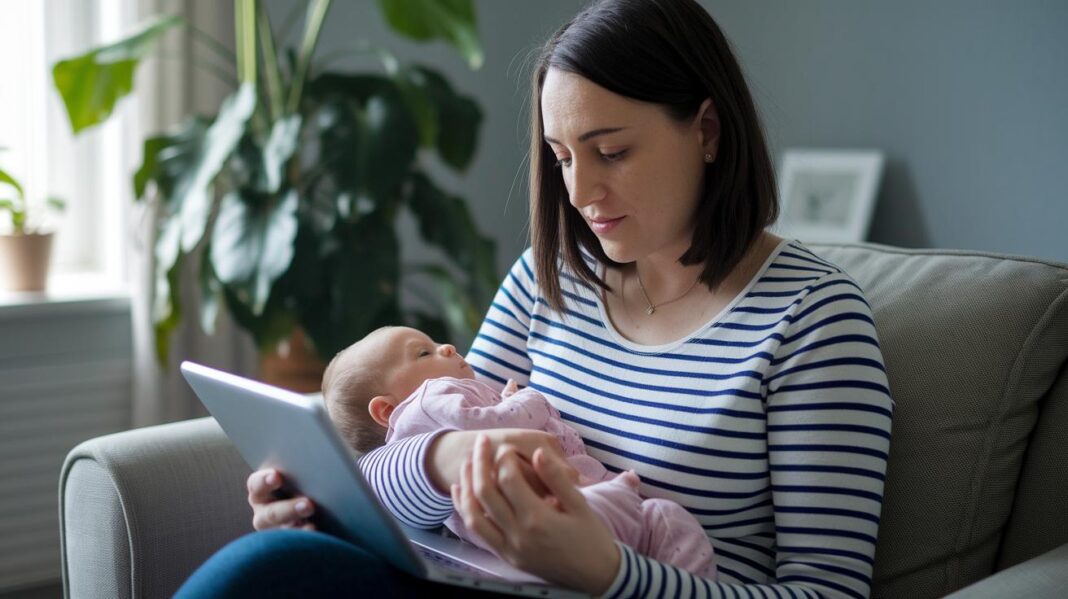
Have you ever wondered when your baby actually starts to understand what you're saying? In those first few months, your little one is quietly listening and soaking up the sound of your voice and other familiar sounds. This gentle listening lays the foundation for language, even before any spoken words come out.
Babies often show hints they understand what’s going on. They might turn their head when they hear a familiar voice or react when they hear a simple word like no. This conversation looks at the early ways your baby picks up language, offering a clear glimpse into the beginning steps that lead to easy speech and understanding simple commands.
Key Receptive Language Milestones: Birth to 12 Months
Watching your little one start to understand the world in their first year gives caregivers a warm insight into their blossoming abilities. In those early months, babies are all ears, they listen closely to voices and find comfort in familiar faces, sometimes flinching at sudden loud sounds. As they grow, these early listening moments gently pave the way for how they hear and recognize words later on.
| Age Range | Key Comprehension Milestone | Details |
|---|---|---|
| 0–3 mo | Orients to voices and faces | Startles at loud sounds |
| 4–6 mo | Begins reduplicated babbling | Shifts to variegated babbling, responds to own name |
| 6–9 mo | Recognizes familiar words | Stops on hearing “no” |
| 9–12 mo | Follows simple one-step commands | Says first word (around 12 months) |
Every baby is unique, so it’s perfectly natural to see these listening and understanding skills develop at different speeds. While many little ones might start to follow simple commands or say a first word by twelve months, some might take a little extra time. I remember one parent sharing how thrilled they were when their baby finally responded to a simple request, it felt like a tiny breakthrough. Keeping an eye on these milestones can help you notice when a bit of extra support or a fun activity might give your baby an extra boost on their language journey.
Infant Language Comprehension Milestones: Bright Beginnings
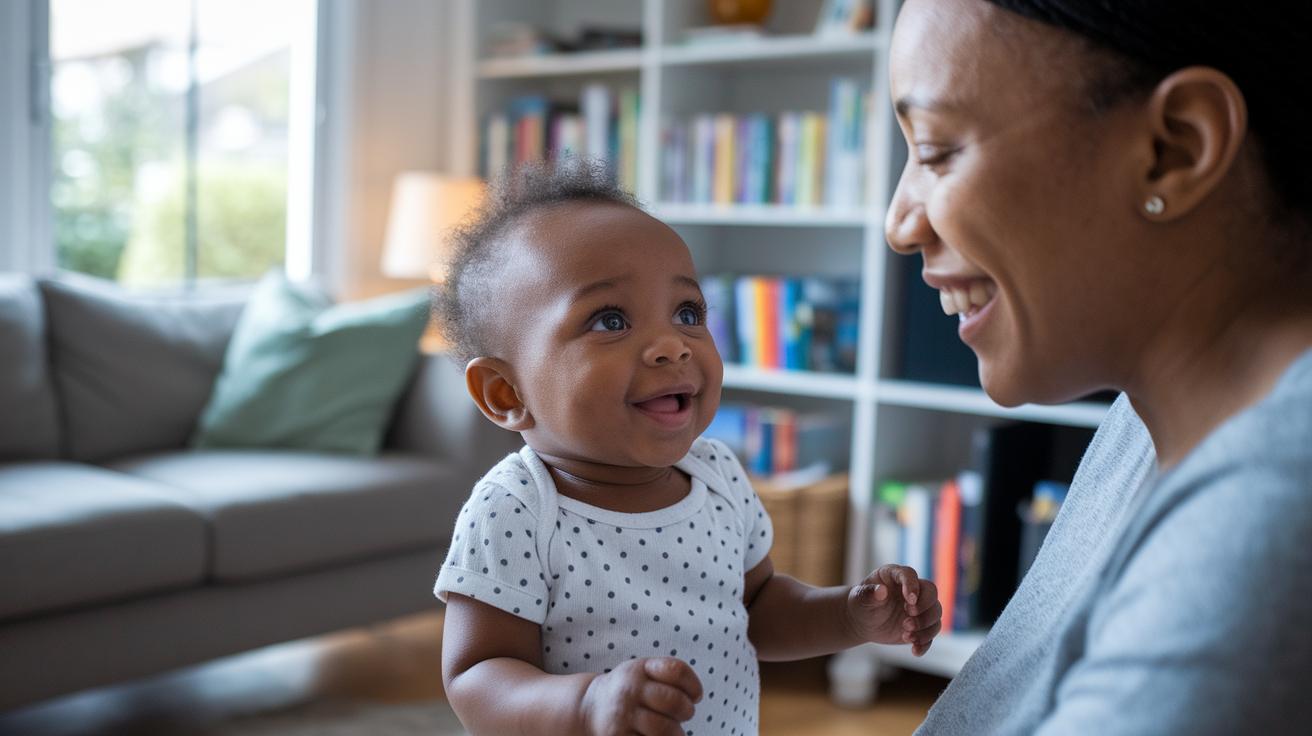
At around 1 to 1½ years, many little ones begin to follow simple one-step commands. They show clear signs of understanding words even before they speak many themselves. They may react when you say, "Bring the toy," tuning into the tone and clues around them, not just the words. And it's really sweet to see, a child's face lighting up as if they caught a secret signal. This early grasp of language sets the stage for learning, as they naturally soak up the rhythm and cues of everyday speech, long before they know 3 to 20 words.
From 1½ to 2½ years, their word understanding makes a big leap. By this time, little ones might recognize around 50 words, including simple action words and describing words. And by the time they reach 2 to 2½ years, they may understand nearly 300 words! Their growing skill in picking out different sounds shows that they're just starting to get how language works. Imagine a tiny learner smiling when they notice the difference between "run" and "fun." It’s these little moments that really highlight the exciting progress in their early journey with language.
Receptive Language Growth Influencers: Environmental and Social Factors
In homes where more than one language is spoken, little ones learn to listen in ways that are just as strong. They pick up words from each language and naturally sort out the sounds. This blend of words doesn’t hold them back, in fact, it fills their world with a richer vocabulary, making each day a little more exciting. Many families even say their babies seem to have a special knack for catching different sounds effortlessly.
Face-to-face chat, reading aloud, and kind feedback from loved ones play a big role in helping your baby build their language map. When you talk warmly with your child, you’re giving their brain a gentle workout in language. Think about singing a favorite lullaby or having a playful conversation, these moments are like little exercises for their growing mind. And if you’re looking for more fun ideas, have a peek at this infant first year milestones resource.
Mixing in multisensory input, like simple stories, songs, and clear pictures, also helps a lot. When babies see images while hearing words or rhythmic tunes, it boosts both their focus and understanding. This blend of sounds and sights sets a wonderful foundation for strong language skills later on.
Signs of Delayed Receptive Language Comprehension in Infants
Sometimes you might notice that your baby isn’t making the sounds you’d expect. By 6 months, many little ones start babbling (making simple sounds), so if your baby isn’t, it can be a hint to watch closely. And if they don’t turn when you call their name by 9 months, that could be another sign.
By the time your child is 12 months old, they should be following simple one-step commands like “Bring the ball.” If not, it might mean their language skills are taking a bit longer to develop. Even after 18 months, if your child still has trouble recognizing common words, even when growing up in a home with two languages, this could be something to keep an eye on.
One easy way to see how your child is doing is to do little interactive activities every day. Try calling your child’s name or asking them to complete a simple action, and just watch how they respond. It really is a gentle way to notice how well they understand words and sounds over time.
If you keep having concerns, talking with a pediatrician or a speech-language pathologist can be very reassuring. They can offer a friendly check-up, help spot any hurdles, and guide you with simple, caring strategies. Early support is a real lifesaver, laying a strong foundation for all the wonderful words your child will learn.
Strategies for Enhancing Infant Receptive Language Development
One great idea is to weave talking into your everyday routines. For example, when you’re reading a picture book with your baby, take a moment to chat about what you see by saying something like, "Look at that bright red ball rolling!" Using clear, slow words during simple activities helps your little one pick up new words naturally.
Playing simple games where you take turns naming objects can be both fun and a good way to practice language. And you might try singing familiar songs on repeat. Those repeated tunes make it easier for your baby to connect sounds with words. Plus, making eye contact and using gentle hand gestures when you talk invites your baby into each little moment.
Even routine times like bath time or snack preparation can become chances to share language. Mix it up with soft songs, playful voices, and easy, short stories to keep things fun and engaging. Little by little, these warm, repeated interactions build a loving space where language can grow naturally.
Final Words
In the action, we walked through key receptive language milestones, from early voice responses to following simple commands. We looked at how a warm, interactive environment boosts each infant's language skills and touched on warning signs and helpful strategies. Every insight is part of a broader picture to support your baby’s journey. By keeping an eye on infant language comprehension milestones, you can help create a nurturing space for growth. Each step is a bright moment in your little one’s life, moving you both forward with hope.
FAQ
What does a speech development chart by age show?
The speech development chart by age shows how infants progress from early responses to sound and face recognition to coordinated babbling and eventual word recognition, marking steps along their growing communication skills.
What are the key language development milestones for babies 0-3 years?
The key milestones for babies 0-3 years include responding to voices, beginning to babble, recognizing simple words like “no,” and eventually saying their first word, all of which signal early language comprehension.
What information does a Speech and Language Milestones PDF or chart provide?
The PDF or chart details stages such as early sound orientation, babbling phases, word recognition, and first word production, giving parents a clear timeline to track their baby’s language progress.
What do the 7 stages of language development outline?
The 7 stages of language development outline progress from simple sounds and cooing, through more varied babbling, to word recognition, vocabulary growth, and early sentence formation as language skills mature.
At what age do babies start comprehending language?
Babies begin comprehending language from a very early age, showing basic responses to voices within the first months and clearer understanding of words and simple commands by around 6 to 9 months.
What are some key milestones of language development during infancy?
Key milestones during infancy include turning toward familiar voices, engaging in varied babbling, responding to simple commands, and saying a first word around 12 months, all markers of growing receptive language.
What are the four basic language milestones for babies?
The four basic language milestones involve orienting to voices, reaching a babbling phase that evolves with varied sounds, recognizing familiar words, and producing a first word as communication skills emerge.
What is the correct order of language milestones in early development?
The correct order starts with a response to sounds in the first few months, followed by the emergence of babbling, then recognizing simple words, and finally producing a first word as infants approach one year.
How do language development milestones differ for ages 1-2 years compared to 3-5 years?
For ages 1-2 years, milestones focus on following basic commands and building a small vocabulary, while ages 3-5 years see children forming simple sentences and using more complex language in everyday interactions.