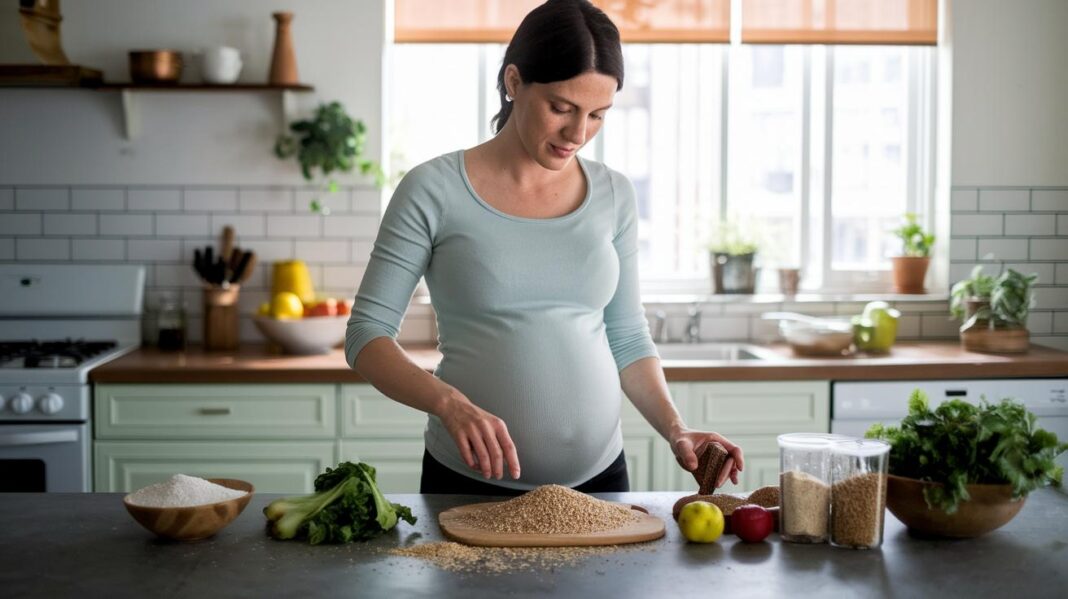
Are you excited to boost your meals? Picture your plate as a handy toolkit for you and your baby. Whole grains are a real powerhouse. They’re full of fiber, vitamins, and minerals that keep your blood sugar steady and your digestion happy.
Switching out refined grains for whole ones isn’t a tiny tweak, it’s a change that fuels lasting energy and supports overall health. This guide is here to show you how adding whole grains can become a natural part of your healthy eating plan.
How Whole Grains Enhance Maternal Nutrition
Whole grains are simply seeds that keep all the good parts of the grain, the endosperm, bran, and germ. When grains are refined, they lose the bran and germ, so most of the fiber, vitamins, and minerals go with them. This means that swapping white bread for whole wheat bread gives you more essential nutrients that help keep digestion smooth and energy levels steady.
The vitamins and minerals in whole grains, like B-vitamins, iron, magnesium, and fiber, are important for both you and your baby. B-vitamins turn your food into energy and support your baby’s growing nervous system (the body’s communication network). Iron helps your blood carry oxygen, magnesium keeps your muscles working well, and fiber makes digestion easier. Think of it as enjoying a warm bowl of oatmeal on a hectic morning that fills you up and keeps you steady.
Health guidelines suggest that at least half of the grains in your pregnancy diet should be whole grains. One easy way to think about it is to imagine your plate divided into four parts: a quarter for whole grains, half for fruits and vegetables, and a quarter for lean proteins. This balance helps keep your blood sugar steady and your digestion running smoothly. Meals focused on whole grains offer lasting energy and consistent nutrients for you and your baby, leading to better overall health and more positive pregnancy outcomes.
Top Whole Grain Varieties for Pregnancy Nutrition

Pregnancy can be a whirlwind, and adding a mix of whole grains to your meals can make a big difference. These grains give you natural energy, help keep your blood sugar steady, and support smooth digestion.
- Quinoa: This gluten-free grain is a real gem. It offers complete protein and about 5 grams of fiber per cup. Plus, it's packed with magnesium, iron, and folate, which are key for both you and your baby.
- Oats: Oats are a warm, hearty choice. They contain beta-glucans that help manage blood sugar and cholesterol, and a half-cup of dry oats brings about 3 grams of fiber, along with iron and B-vitamins to keep your energy up.
- Barley: With roughly 6 grams of fiber per cooked cup, barley is a nutritious boost. It includes selenium for immune support along with magnesium and B6, which may help soothe morning sickness.
- Brown Rice: Brown rice is another friendly option, offering about 3.5 grams of fiber per cup, along with magnesium and B-vitamins. Its low glycemic index helps maintain stable blood sugar levels.
- Millet: Millet comes through with around 2.3 grams of fiber per cup and bursts with magnesium, phosphorus, and antioxidants. These nutrients support digestion and can ease cramps.
- Amaranth: Amaranth surprises with roughly 5 grams of protein per cup and also brings iron, calcium, and magnesium into the mix. Its high lysine content helps your body absorb these nutrients better.
- Teff: Teff is a small grain with a big punch, it packs nearly 7.8 grams of protein per cup along with plenty of iron and calcium. Its resistant starch supports gut health and steady blood sugar.
Including these whole grains in your meals not only adds variety but also gives you a nourishing blend of essential vitamins and minerals to support your health and your baby's growth.
Practical Meal Strategies for Incorporating Whole Grains into Maternal Diets
Every day is a wonderful opportunity to enjoy the goodness of whole grains. It can be as simple as carving out a little space for them at every meal or snack to keep your energy balanced. Lots of moms find that cooking 1–2 cups of grains at the start of the week really saves time when planning meals ahead. Think about setting up your day with a hearty breakfast, a nourishing lunch, a cozy dinner, and a couple of wholesome snacks in between, it's all about making life a bit easier.
| Meal | Whole Grain Ingredient | Serving Suggestion |
|---|---|---|
| Breakfast | Steel-cut oatmeal | Serve with berries and almonds for a warm, inviting porridge |
| Lunch | Quinoa | Toss with spinach and chickpeas for a light, zesty salad |
| Dinner | Barley | Stuff into bell peppers with lean turkey for a filling meal |
| Snack | Whole-grain crackers | Pair with hummus for a satisfying, crunchy bite |
| Snack | Millet | Turn into a creamy pudding and top with fresh fruit |
Batch-cooking your grains early in the week really makes daily meal prep so much simpler. For example, try switching white rice with brown rice in your casseroles or even blending oats into your morning smoothie. These little swaps add a fun variety to your meals while ensuring you enjoy all the good benefits whole grains bring. Experimenting with different grains throughout the week not only introduces delightful new textures but also keeps your diet balanced and full of nourishing nutrients.
Enhancing Nutrient Absorption and Digestive Health with Whole Grains in Pregnancy
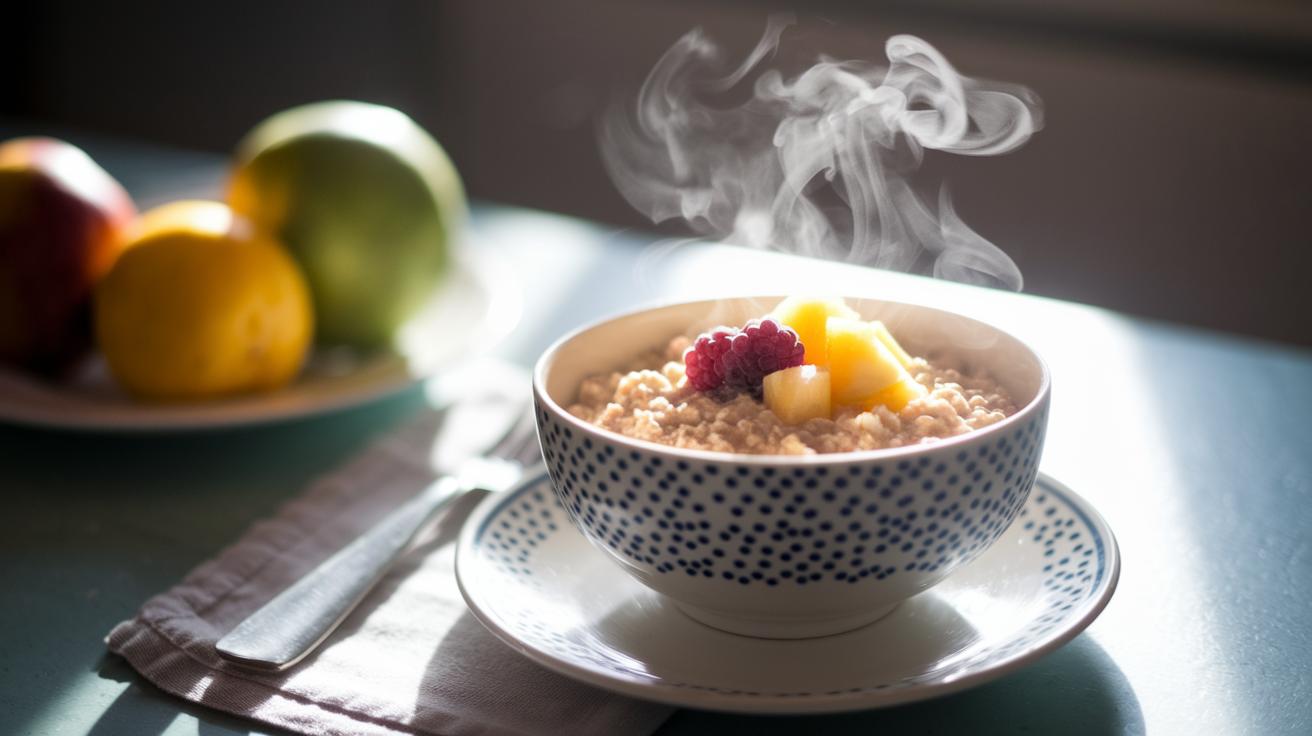
Whole grains are a gentle helper for your tummy during pregnancy. They are full of fiber, think of a warm bowl of oats or barley that comes with about 3 to 7 grams of fiber per serving. This fiber works like a soft massage, easing constipation and keeping your digestive system on track. It gently absorbs water in your gut, which helps your stomach feel more comfortable.
Grains like teff and whole oats contain something called resistant starch. This special starch does two important things. First, it feeds the friendly bacteria in your gut, supporting a balanced microbiome. Second, it slows down how quickly you absorb sugar, which keeps your blood sugar levels more steady throughout the day. Picture it like a slow, soothing simmer that helps keep everything in balance.
Simple tweaks in how you prepare your grains can boost their benefits even more. For example, soaking or fermenting your grains can lessen a natural substance called phytic acid. This change helps your body take in more minerals like iron and magnesium. Try soaking them overnight and then cooking them slowly. Soon, every meal feels richer in flavor and nutrition, like a little upgrade for your day.
Guidelines for Selecting and Transitioning to Whole Grains in Maternal Nutrition
When you’re out shopping, take a little extra time to check the labels. Look for “100% whole grain” on the front and make sure the word “whole” comes before any type of grain in the ingredients list. This easy tip helps you skip over items that are mostly refined and not as rich in important nutrients. A quick look at the label can really make a difference in supporting your nutrition as you care for yourself and your little one.
Try using a balanced plate to plan your meals. Imagine your plate split into four parts, one part for whole grains, half of it for vegetables or fruit, and the last quarter for lean protein. This idea follows guidelines that suggest having at least half of your grains as whole grains. It’s a simple way to see how each part of your meal contributes to a well-rounded diet.
Ease into the change by mixing refined grains with whole grains at first, maybe a 50:50 mix, and then slowly add more whole grains over time. And if you can, pick organic cereals and store them in airtight containers so they stay fresh and full of good nutrients.
Addressing Common Concerns and Myths About Whole Grains During Pregnancy

Many moms have heard that whole grains can give you bloating and tummy troubles. But really, a little rinse or a good soak, or even choosing sprouted versions, can make them much easier on your stomach. I remember one mom mentioning how soaking her oats overnight helped keep her comfortable the next day. It’s a simple tweak that clears up the myth and makes mealtime light and enjoyable.
If you're worried about gluten, try whole grains like quinoa, millet, or amaranth. These choices are naturally free of gluten and pack plenty of nutrients to support you. And if you're tight on money, why not buy in bulk, hit up your local farmers’ market, or cook a big batch at the beginning of the week? This way, you save money, cut down on waste, and always have healthy grains on hand.
Food safety is super important too. Make sure you cook your grains completely to get them to a safe temperature, and avoid raw sprouts to keep risks low. Always give your grains a good rinse, and don’t forget to pop any leftovers in the fridge within 2 hours. Eating those within 3–4 days helps keep their nutrients intact and supports a healthy diet during your pregnancy.
Final Words
In the action of exploring balanced meals, we broke down the benefits of whole versus refined grains, shared key nutrients that boost energy and support fetal development, and offered simple meal ideas to easily swap in healthier options. We covered practical tips on reading labels and making gradual transitions. Incorporating whole grains into maternal nutrition can boost energy, aid digestion, and bring more comfort to daily meals. Enjoy experimenting with these ideas and feel confident embracing your healthful choices.