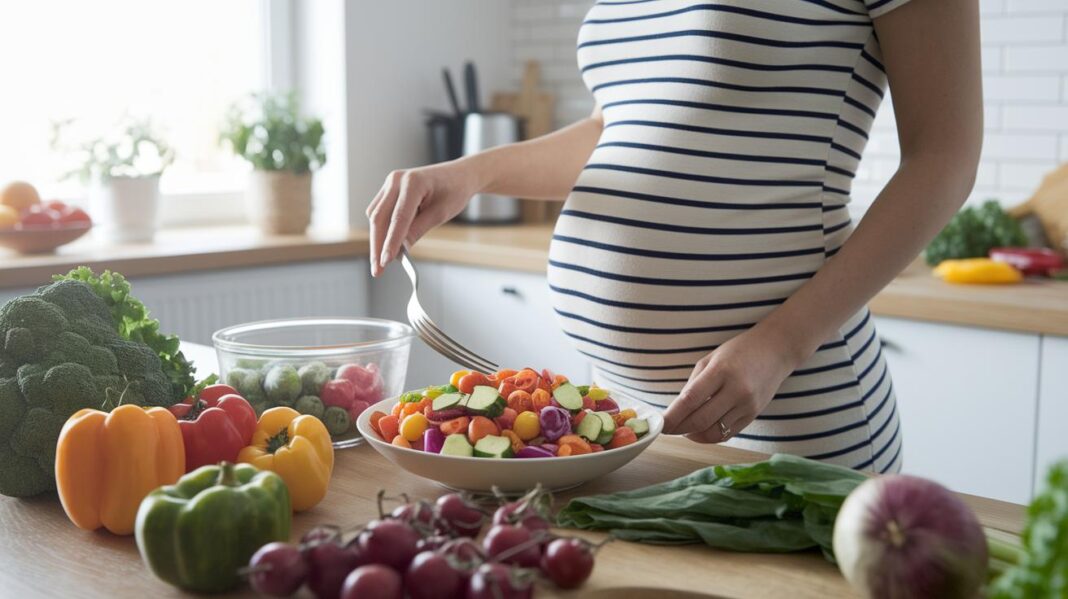
Have you ever thought meal planning might give you a boost during pregnancy? In our busy world today, a simple weekly plan can shift that last-minute rush into calm and routine. Imagine turning your grocery trip into a fun little outing and using meal prep time as a peaceful pause in your day. This guide will show you how a careful meal plan can cover your extra nutritional needs, keeping you energized and helping each day feel a bit smoother for you and your little one.
Weekly Meal Plan Blueprint for Optimal Maternal Nutrition

Planning your meals week by week can really help set up a gentle routine that nourishes both you and your little one. Taking a bit of time on Sunday to map out your meals lets you include a mix of wholesome foods and eases the stress of last-minute meal prep. Simply put, a weekly meal plan can turn busy days into calm, nourishing moments.
This approach gives you balanced nutrients and energizing snacks that meet your extra needs during pregnancy. It makes whipping up healthy and satisfying meals much easier. Imagine a plan so smooth that grocery shopping feels like a fun outing, a small change that brings a big reward!
| Day | Breakfast | Lunch | Dinner | Morning Snack | Afternoon Snack | Evening Snack |
|---|---|---|---|---|---|---|
| Monday | Overnight oats with berries | Grilled chicken salad | Salmon with quinoa | Fruit cup | Nuts mix | Yogurt |
| Tuesday | Egg avocado toast | Vegetable wrap | Beef stir-fry with brown rice | Apple slices | Cheese stick | Herbal tea |
| Wednesday | Smoothie bowl | Lentil soup | Grilled tofu with veggies | Banana | Carrot sticks | Whole grain crackers |
| Thursday | Yogurt parfait | Turkey sandwich | Pasta primavera | Pear | Hummus with cucumber | Dark chocolate square |
| Friday | Whole grain cereal | Bean salad | Grilled shrimp with couscous | Mixed berries | Rice cakes | Herbal tea |
| Saturday | Banana pancakes | Chicken quinoa bowl | Vegetable curry with rice | Orange slices | Trail mix | Smoothie |
| Sunday | Avocado toast with egg | Spinach salad | Beef and vegetable stew | Grapes | Celery with peanut butter | Cottage cheese with pineapple |
Here are a few tips to help make your meal planning a success:
- Pick one day each week, like Sunday, to plan out your meals.
- Choose quick, simple recipes so you don’t feel stuck with the same menu.
- Make sure every meal has a good balance to meet your extra calorie needs.
- Use a grocery list sorted by sections to save time.
- And leave some wiggle room to swap meals or snacks based on how you’re feeling.
Essential Nutrient Guide in Effective Maternal Meal Plans
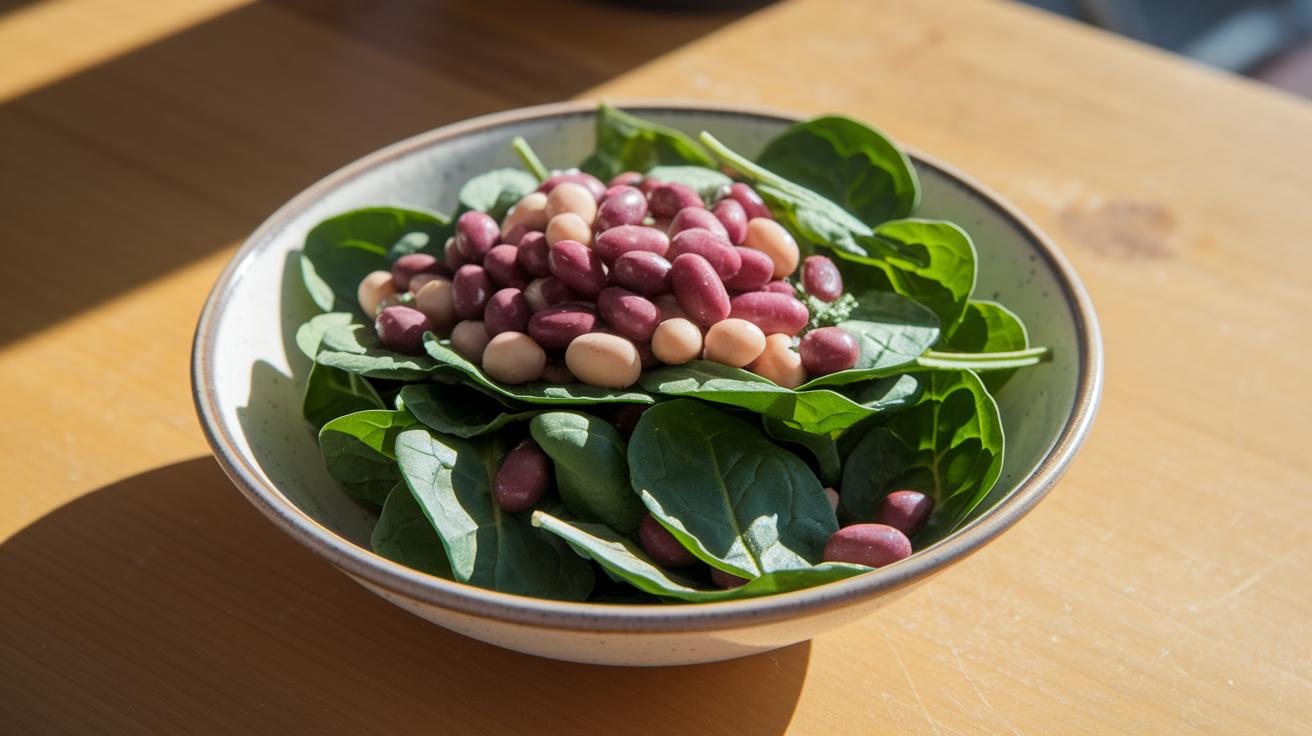
When planning meals for moms, it helps to include nutrients like 27 mg of iron, 600 mcg of folate, 1000 mg of calcium, 200–300 mg of DHA omega-3, and at least 28 g of fiber every day. These nutrients work together to keep both you and your baby feeling strong and energized. Dietitians often mention that simple foods such as leafy greens, beans, and fortified cereals can help you meet these goals quickly. Fun fact: one serving of fortified cereal might give you over half of your daily iron!
It’s really as simple as adding a spinach salad with beans to your lunch or including a small portion of low-mercury fish at dinner. Dairy and whole grains can also boost your calcium and fiber intake, keeping your meals well-rounded. And if you ever need more info on vitamins and daily nutrient targets during pregnancy (care during pregnancy), check out http://womensconference.org?p=10823. A few small changes in your meal choices can make a big difference in how you feel throughout the day.
| Nutrient | Recommended Intake | Top Food Sources |
|---|---|---|
| Iron | 27 mg | Leafy greens, beans, fortified cereals |
| Folate | 600 mcg | Dark leafy greens, beans, fortified cereals |
| Calcium | 1000 mg | Dairy products, fortified plant milk, low-fat cheese |
| DHA Omega-3 | 200–300 mg | Low-mercury fish, walnuts, chia seeds |
| Fiber | 28 g | Whole grains, fruits, vegetables |
Effective meal plans for maternal nutrition: Feel Energized

Your body changes during pregnancy, and what you need for fuel changes too. Each trimester brings its own needs, and adjusting your meals can help keep your energy up while you nurture your little one.
Here are some simple tips for each stage:
- Calories: In the first trimester, your regular meals usually do the job. By the second trimester, try adding about 340 extra calories a day, and in the third trimester, aim for roughly 450 extra calories.
- Protein: In early pregnancy, stick with your normal protein needs. After the first trimester, work toward getting around 71–75 grams of protein daily so you can support tissue repair and growth.
- Folate: Keep a steady intake of about 600 micrograms daily from the very start. This helps with healthy cell growth as your baby develops.
- Iron: Your regular amount of iron is often enough at first. But as your blood volume expands later on, increasing to about 27 mg each day can boost your energy and support your baby’s growth.
Adjusting your meal plan as you move through pregnancy can really help keep your energy steady and meet the unique needs of each trimester.
Quick Wholesome Meal Ideas for Maternal Nutrition
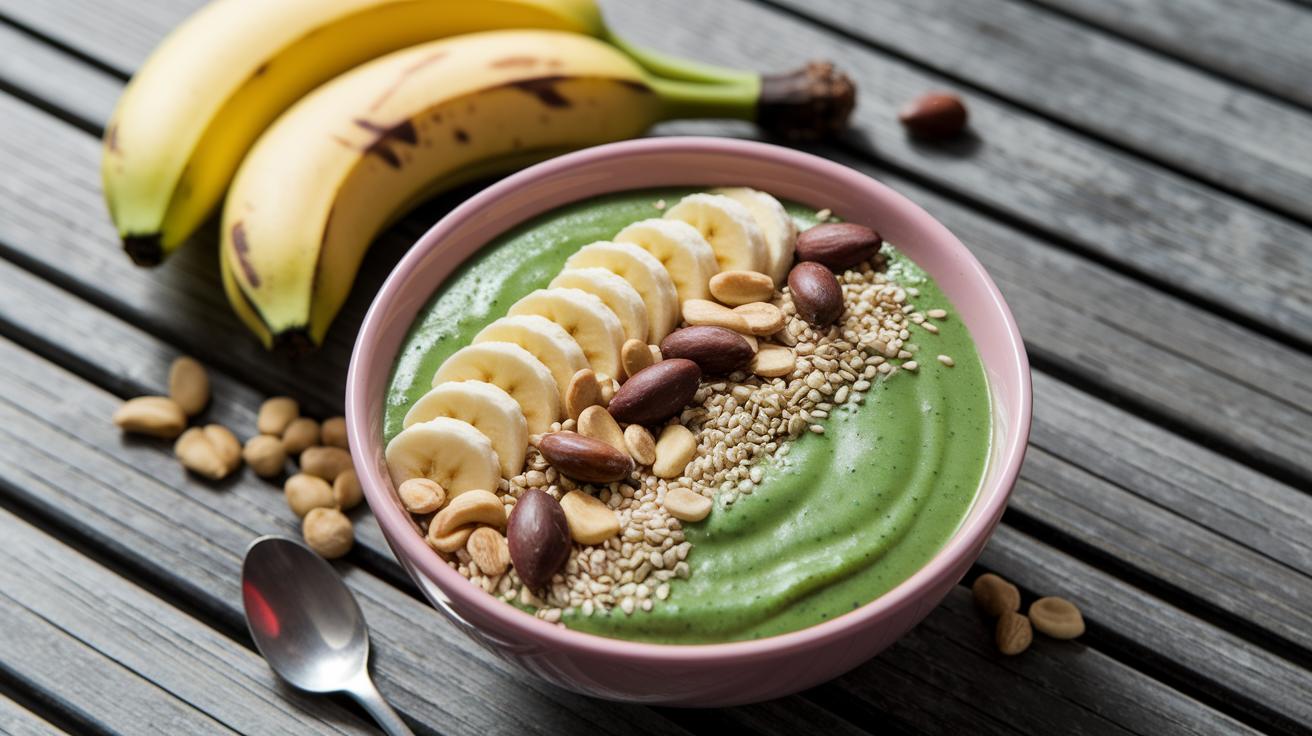
Start your day with a burst of energy using quick breakfast ideas that take only five minutes. For instance, mix a banana, a handful of spinach, almond milk, and a spoonful of nut butter to create a power smoothie that lifts your spirits. Or, spread mashed avocado on whole grain toast and top it with cherry tomatoes for a fresh twist. If you prefer something creamy, stir in some chopped melon and a little honey with cottage cheese for a delightful start.
When it comes to lunch, keep things simple yet satisfying. Consider filling a whole wheat pita with hummus, shredded carrots, and crisp cucumber slices for a balanced veggie pocket. You might also enjoy a bean and veggie salad made with black beans, diced bell peppers, and corn, finished off with a squeeze of lime. Another tasty option is a spinach feta wrap, combining fresh spinach, crumbled feta, and tomato slices in a soft tortilla with a drizzle of olive oil.
Dinner doesn’t have to be complicated either. Sauté some thinly sliced chicken breast with broccoli and bell peppers in olive oil and garlic for a quick stir-fry. If you’re leaning towards a vegetarian option, toss whole grain pasta with steamed zucchini, a bit of garlic, and olive oil for a light meal. Or try a shrimp skillet by cooking shrimp with snap peas, garlic, and a splash of lemon juice in about ten minutes for a zesty finish.
For snacks that keep your energy steady, you can whip up nut and seed energy bites by mixing oats, almond butter, and chia seeds into small balls. Alternatively, enjoy a serving of hummus paired with crisp carrot sticks for a refreshing bite.
Budget-Friendly Maternal Nutrition Meal Plans

Planning your meals in advance can really help lower your grocery bill and cut down on food waste. When you do a bit of weekly meal prep or cook in batches, you not only save time, but you also save money. Plus, planning your menu lets you pick up seasonal fruits, veggies, whole grains, and beans in bulk, things that are kind to your wallet. Picture making a big pot of bean stew that lasts for several dinners! Simple swaps like that can add up.
Being smart in the grocery store goes a long way. One trick is to arrange your shopping list by category, which can save you around 15% on your bill. This approach helps you dodge impulse buys and stick to what you actually need. It also means choosing budget-friendly, nutrient-packed foods while still leaving a little room for a small treat.
Using seasonal produce is a win-win. It means you get fresh, tasty ingredients and keep costs low at the same time. For example, swapping out berries that aren’t in season for local apples or pears is both healthy and kind to your bank account. Little changes like these in your meal planning can keep your family well-fed without breaking the bank.
Meal Prep and Scheduling Techniques for Maternal Nutrition

First, pick a time each week to plan your meals and snacks. Write out a flexible plan that features three main meals and two snacks each day, spaced about every 3 to 4 hours. For example, you might set aside Sunday to plan a week of nourishing breakfast smoothies, that way, you know you’ll start every morning with a healthy boost.
Next, collect your favorite recipes and jot down a shopping list based on your meal plans. Try using simple recipes that give you leftovers so you can save time in the kitchen and feel less rushed. It’s like drawing a little map where each meal is a step toward a healthier day.
Then, cook in larger batches so you have quick, grab-and-go options ready to enjoy. Preparing big portions means you can have a delicious vegetable stir-fry or hearty stew later in the week without having to start from scratch each time.
Finally, make use of online tools or apps that remind you when it’s time to start cooking or grab a snack. These handy digital helpers can give you timely alerts, helping you keep a steady energy level and balanced blood sugar throughout your day.
Tracking and Adjusting Maternal Nutrition Plans

We know that keeping an eye on your meals can really help. Regular weigh-ins, jotting down your food in a diary, or using a meal-tracking app on your phone makes it easier to see how your plan is working. Have you ever noticed that a quick note about your energy after eating can guide you to better choices?
Digital tools are a great friend in this journey. They help you log each meal and gently remind you to hit your nutrition goals. When everything is clear on your screen, it's simple to spot when adding a few healthy ingredients could balance your day just right.
And tweaking your recipes can be truly refreshing. Whether you have a favorite food, need to avoid allergens, or are managing gestational diabetes (blood sugar changes during pregnancy care), you can switch up your ingredients to fit your needs. Little changes over time can keep your meals exciting and your body feeling vibrant.
Final Words
In the action, we've explored a detailed meal plan blueprint, essential nutrient guide, and trimester-focused strategies to support maternal wellness. We shared wholesome recipe ideas, smart budgeting tips, and practical meal prep techniques that make planning a breeze.
This post offers insights for Effective meal plans for maternal nutrition, so you feel ready for planning each week. Small steps can boost confidence and well-being, it’s all about enjoying simple, supportive routines every day.
FAQ
Where can I find free PDF meal plans for maternal nutrition?
Free PDF meal plans for maternal nutrition are often available on trusted online platforms that offer weekly guides with detailed nutrient information to support both the mother’s and baby’s needs.
How does a 1 to 3-month pregnancy diet chart guide early pregnancy nutrition?
A 1 to 3-month pregnancy diet chart lays out essential nutrients such as folate and iron, offering simple meal suggestions and portion ideas to support healthy early pregnancy development.
How is a pregnancy meal plan for overweight needs adjusted?
A pregnancy meal plan for overweight needs is adjusted by reducing calorie density while using nutrient-rich foods, focusing on plant-based options, lean proteins, and appropriate portion sizes to support weight management.
What is the best meal plan for a pregnant woman?
The best meal plan for a pregnant woman features a balanced mix of whole grains, lean proteins, fruits, vegetables, and healthy fats to provide necessary calories and nutrients that nurture both mother and baby.
How can maternal nutrition be improved with effective planning?
Improving maternal nutrition means planning meals that include balanced food groups, key micronutrients like iron, folate, and calcium, and well-timed snacks to help maintain stable energy and support overall wellness.
What are the three main things that need to be included in a mother’s daily nutrition?
A mother’s daily nutrition should include essential macronutrients, vital vitamins and minerals such as iron and folate, and fiber-rich foods to keep energy levels steady and support healthy digestion.