
Have you ever noticed how little changes to your eating habits can lead to big benefits? Studies suggest that keeping your weight in check before and during pregnancy may help reduce issues and make you and your baby feel happier. This guide shares easy tips to balance your nutrition while keeping an eye on weight gain. Think of it as a friendly chat about how small tweaks can turn your pregnancy into a smoother and more joyful journey.
Essential Guidelines for Maternal Nutrition and Gestational Weight Management

When it comes to caring for yourself and your baby, keeping an eye on weight gain during pregnancy is important. Your weight before pregnancy sets the scene for how much weight you might gain. For example, if you were a bit heavier before you got pregnant (a BMI between 25 and 29.9), experts say gaining about 6.8 to 11.3 kg is good. On the other hand, if you had a BMI of 30 or more, a smaller gain of 5 to 9.1 kg is ideal.
Before we dive a little deeper, here’s a surprising little fact: Before becoming a famous scientist, Marie Curie used to keep test tubes of radioactive material in her pockets. Can you imagine? That small twist in her story reminds us how even tiny differences in our guidelines can lead to big changes in outcomes.
| BMI Category | Recommended Total Weight Gain (kg) |
|---|---|
| Overweight (BMI 25–29.9) | 6.8–11.3 |
| Obese (BMI ≥ 30) | 5–9.1 |
These numbers aren’t picked at random. They help balance the risks of having a baby who might be too big or too small. Following these guidelines can lower the chances of issues like high blood pressure during pregnancy and difficulties after giving birth. It’s all about a friendly chat with your doctor who can suggest small changes in your eating, exercise, and lifestyle.
Many moms find that checking their BMI at the very first visit sets a gentle start. This early check-up helps create a plan that includes simple steps like enjoying balanced meals and little bursts of activity. In truth, keeping a careful watch on your weight is not just about numbers, it’s about making sure both you and your baby feel healthy and happy throughout your journey.
Impact of Poor Antenatal Diet and Excessive Gestational Weight Gain

Between 2015 and 2016, research found that 27% of U.S. women were overweight when they began trying to conceive, and 41% were obese. These numbers show that weight issues often start even before pregnancy, reminding us to pay attention to our eating habits and overall health as we prepare for motherhood.
During pregnancy, the amount of weight you gain can have a big impact on your health. Gaining too much might lead to problems like high blood pressure and gestational (pregnancy) diabetes, and it could make it harder to lose those extra pounds after your baby arrives. Picture a gentle check-up where your doctor thoughtfully suggests balanced meals and light exercise breaks to help keep your blood pressure steady.
Your baby’s well-being is important too. If you gain too much weight, your baby might be larger than average, which can make delivery more challenging. On the flip side, not gaining enough could mean your baby ends up smaller and may miss out on key nutrients. Both situations can affect how well your baby grows during this special time.
Evidence-Based Dietary Strategies for Healthy Gestational Weight Management

Some moms find that combining nutritious meals with a bit of light exercise can be a real game-changer for keeping weight gain during pregnancy on track. It’s like pairing a solid food plan with gentle movement, you create a balance that feels just right. Research suggests that this easy mix of healthy eating and a little bit of exercise, especially with regular check-ups, can help both you and your baby feel wonderful.
Traditional Diet and Exercise Interventions
One common approach is to meet regularly with a nutrition or health coach. These sessions, often every week or every other week, help set small dietary goals and adjust them as you learn what works best for your body. Imagine chatting about eating balanced meals filled with fruits and vegetables and exploring safe, light exercises made just for pregnancy. Many moms notice not only steady progress with weight management but also a boost in energy. It could be as simple as starting your day with a hearty, nutrient-packed breakfast followed by a gentle walk.
Digital Health Interventions
Another option is using digital tools like smartphone apps or online programs. These tools allow you to log your meals and activities in real time, making it easier to stick to your plan. Plus, pairing these apps with regular phone check-ins or group visits can provide that extra bit of support. It’s easy to see how a little reminder here and there can keep you motivated and help avoid feeling overwhelmed.
Non-Traditional Approaches
For those extra busy days, a quick meal replacement shake might be just what you need. There are also group prenatal sessions where moms come together, share tips, and learn about balanced eating. These creative, non-traditional methods have been linked to smoother weight maintenance and can even help ease weight loss after delivery. In the end, the best plan is one that’s tailored just for you, with ongoing check-ins and small adjustments along the way to keep you feeling supported every step of the journey.
Monitoring Gestational Weight Gain in Maternal Nutrition Care
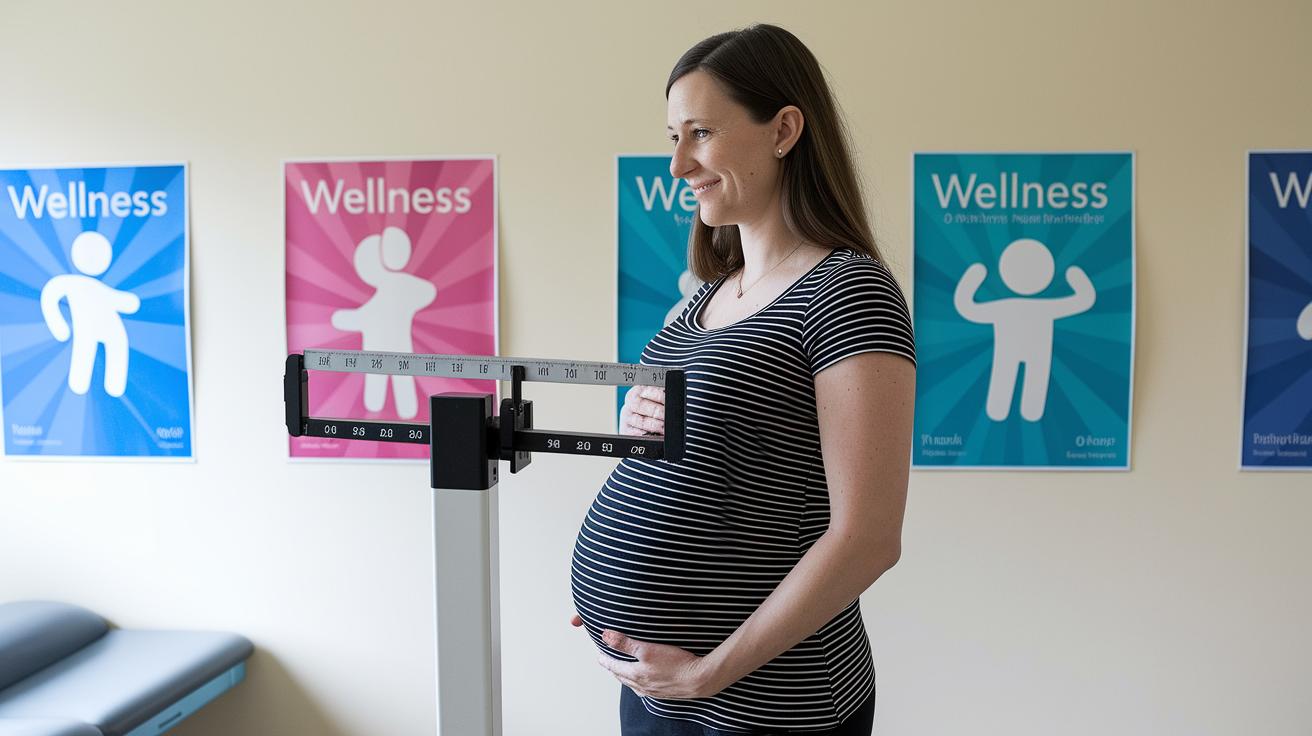
Each trimester, keeping track of your weight can feel like a little guiding light along your pregnancy journey. By noting how much weight you gain in early, mid, and late pregnancy, you can spot trends that might need a bit of extra care, kind of like checking if a pot's about to boil over before it spills. These regular checks give you tiny hints about how your body is reacting to all the changes.
Your care team also likes to look at these numbers by considering your BMI. This helps them see if your weight is just a bit above the ideal range or in another zone. With that, they can offer advice that truly fits your needs, a more personal touch that treats you as an individual.
Using simple tools like weight gain calculators during your visits can make this process even easier. When you have regular check-ups, both you and your care team get clear, handy numbers to discuss changes in eating, exercise, and overall wellness. It’s all about making sure you’re supported every step of the way, ensuring healthy choices for you and your baby throughout your pregnancy.
Research Gaps in Maternal Nutrition and Gestational Weight Management

You know, a lot of studies leave out key details by not splitting moms into different obesity classes. They often skip reporting weight gain for each trimester, making it tough to see exactly when changes happen during pregnancy. Without these specifics, it’s hard to understand why some moms end up with different outcomes, even when their overall weight gain looks similar.
Another gap is the narrow range of study participants. Many researchers don't fully consider socio-economic factors or racial and ethnic backgrounds. This means that when a study says, "I tracked weight gain in a small, similar group," it might not tell the whole story for all moms from diverse communities.
Looking ahead, research needs to use stronger study designs and include moms from all backgrounds. It’d be great to see studies that report detailed outcomes for both moms and their babies, sorting data by trimester and obesity class, alongside careful attention to socio-economic contexts. This approach can guide healthcare providers in offering practical, caring advice to support all mothers on their journey.
Final Words
In the action of discussing clear guidelines for maternal nutrition and gestational weight management, we explored how specific weight gain recommendations, balanced dietary strategies, and regular tracking can improve health for both mom and baby. We looked at methods that blend trusted practices with digital tools and supportive group sessions. Each point brings evidence-based advice into everyday care. Every mindful choice helps create a warm, nurturing space filled with hope and the promise of well-being.
FAQ
How do maternal nutrition and gestational weight management guidelines shape nursing care?
Maternal nutrition guidelines set clear weight gain targets based on early BMI assessments, while nursing care applies these guidelines by offering personalized counseling, tracking progress, and supporting safe, healthy outcomes for both mother and baby.