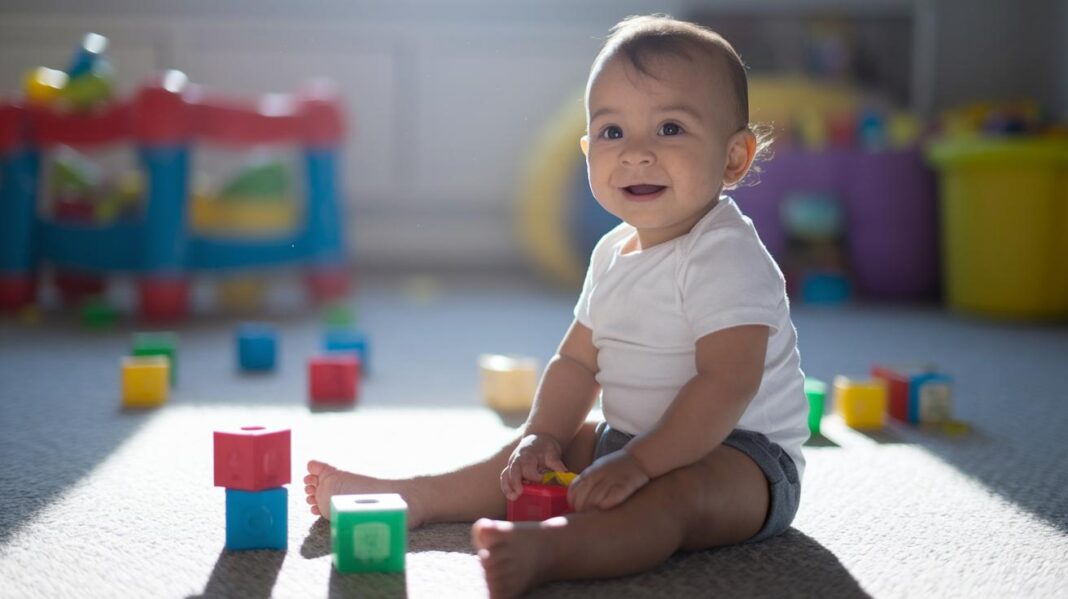
Have you ever noticed how even the tiniest actions of your baby might hint at big changes ahead? This simple checklist takes you through each month of your little one’s growth. It tracks those precious moments like the first smile, the first roll, and the first babbled word. It’s like watching your baby’s eyes light up with wonder, a sweet reminder of every small achievement. With clear pointers on physical, thinking, and social skills, you can celebrate each step with ease and joy.
Infant milestones checklist sparks joyful progress
This handy checklist gives you a simple month-by-month look at how your baby is growing. It covers areas like physical skills, thinking abilities, and social or emotional moments. You can use this guide to see your child's progress and check it against common pediatric growth markers. Every milestone, from a newborn’s first reflex to the first few words at a year, reminds you of a tiny moment of joy that grows with your little one.
| Age | Physical Milestone | Cognitive Milestone | Social/Emotional Milestone |
|---|---|---|---|
| Newborn (0–1 mo) | Basic reflexes (like rooting and grasping) and shows alertness to sounds | Simply reacts to new things | Starts to form bonds |
| 2 mo | Lifts head about 45° | Looks at faces and toys with interest | Smiles socially |
| 4 mo | Reaches for objects and rolls from front to back | Begins to coo softly | Shows more interest in interacting |
| 6 mo | Sits with support and passes toys from one hand to the other | Responds when called | Plays actively with others |
| 9 mo | Starts to crawl | Looks for objects that drop, showing early memory | May feel uneasy around strangers |
| 12 mo | Pulls up to stand, takes first steps, and stacks a few blocks | Utters first words | Shows early signs of social understanding |
Think about the warm, wonderful moment when your little one smiles for the first time. Just like when Emma’s bright smile lit up the room at her 2-month checkup, each milestone becomes a moment filled with delight and a little bit of wonder. Use this monthly guide to celebrate and cherish every step of your baby’s journey.
Tracking Physical Milestones on Your Infant Progress Log
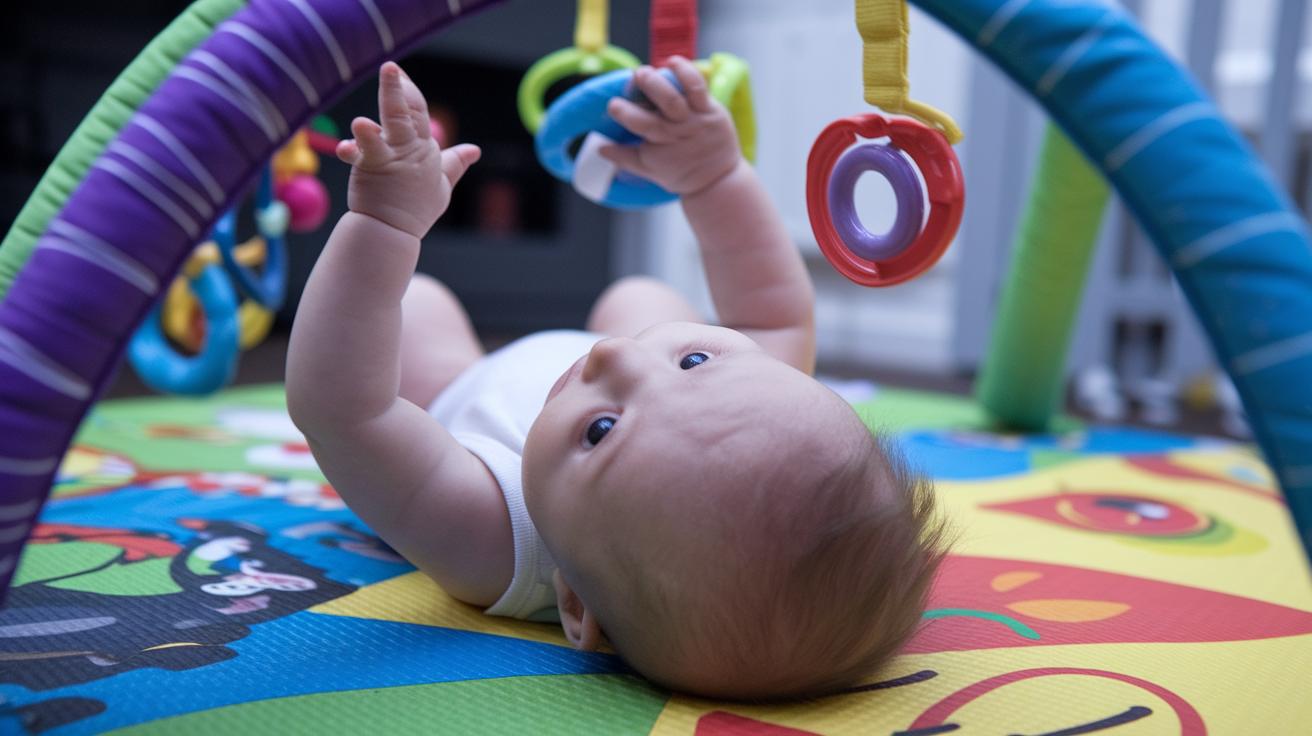
Gross Motor Milestones
Keep a simple daily log to note your baby's head control and overall movement. Around 2 months, write down the first time your baby lifts their head. By about 6 months, many babies start to roll over. For example, you might note, "Liam started rolling on his side at 6 months," which shows his growing strength. By 8 months, your little one may be able to sit up on their own. Then, between 9 and 10 months, many infants begin crawling to discover their world. Some even pull themselves up to stand around 9 months and take their first steps between 12 and 15 months. Jot these moments down with dates, simple sketches, or brief notes to help you celebrate each new skill and track their progress.
Fine Motor & Sensory Milestones
Record your baby's hand skills and sensory exploration, too. At about 4 months, many infants begin reaching for and grasping objects. By 7 months, you might see them move objects from one hand to the other, showing better coordination. Around 10 months, a pincer grasp (using the thumb and index finger) often starts to appear. Also, notice how they explore things by putting them in their mouth until the end of their first year. Writing down these details not only captures joyful milestones but also gives you a handy record for those routine pediatric visits.
Assessing Cognitive Progress with Your Newborn Development Log
Keeping a careful record of your baby's milestones is a beautiful way to see how their little mind develops. It’s like watching a gentle bloom, where every moment is a reminder of how they are learning to see, feel, and explore.
Around 2 months, you might notice your baby staring at familiar faces or a cherished toy. For instance, you might write, "At 2 months, Ava kept a steady gaze on her soft toy, showing early interest." These simple observations are precious memories in the making.
By 4 months, listen out for those delightful coos and vowel sounds. Perhaps today, you noticed Ethan making sweet vowel noises during play. Jotting down notes like these brings a smile to your heart when you look back.
At about 6 months, your baby may begin to respond when you call their name. This little nod of recognition is a quiet sign of growing awareness and connection. It’s a moment that feels both reassuring and exciting.
Come 9 months, you might see your little one exploring objects by putting them in their mouth. For example, you could note, "Mia explored her rattle by putting it in her mouth, showing her curious spirit." Every such moment is a step in their discovery of the world.
Between 9 and 10 months, you may witness early problem-solving, like searching for a dropped toy. This is a hint that they are starting to understand object permanence, a lovely milestone in their learning journey.
Then, at around 12 months, when your little one begins to copy gestures or say their first words, record these moments too. These milestones, whether a small gesture or a new word, mark the start of clear, meaningful communication.
Using a simple chart or log, maybe with notes, sketches, or even short audio clips, helps you track and cherish these early steps. It’s a loving way to honor their progress, much like the warm advice shared by caring experts.
Monitoring Social & Emotional Milestones with Your Baby Progress Record
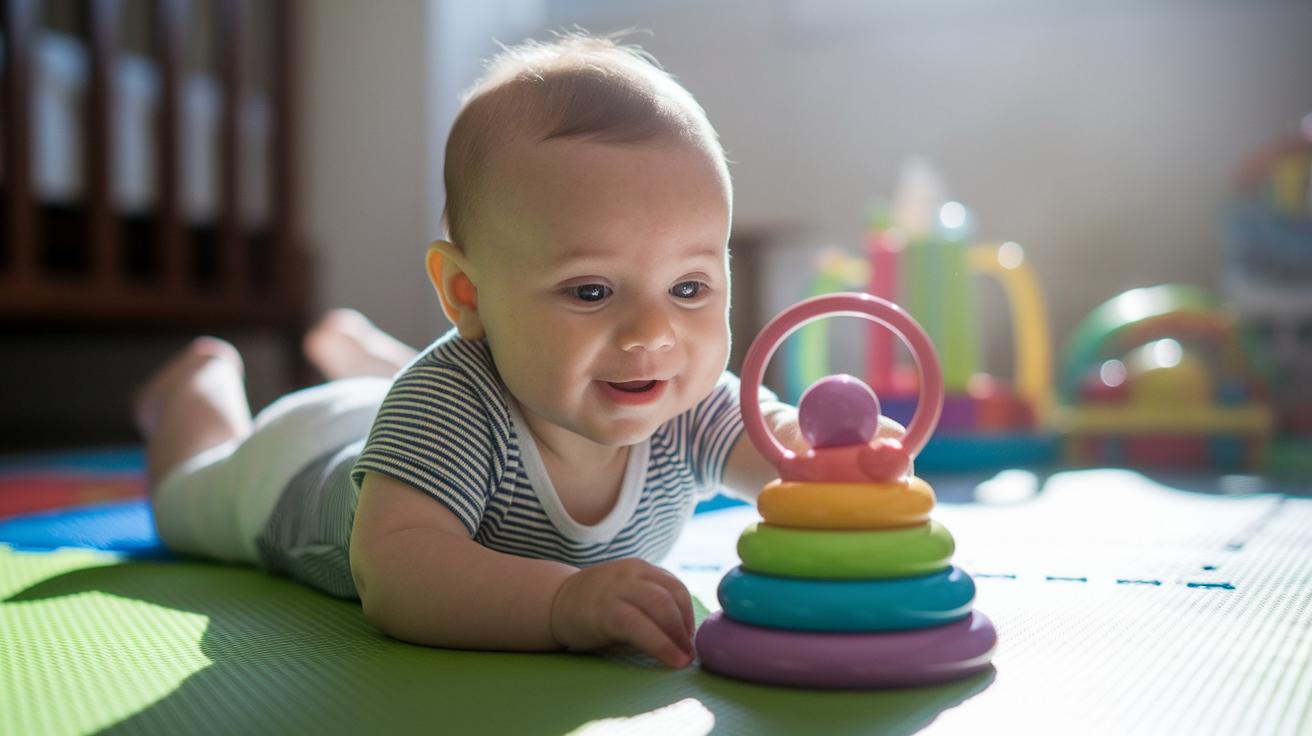
Keep a simple record of your baby's social and emotional growth. Over time, you’ll start to notice little moments that show how your baby is connecting with the world. For example, by about 2 months, you might see a sweet social smile light up your baby’s face during a cuddle or playful moment.
Around 3–4 months, listen for gentle cooing and watch for those special moments of eye contact. It could be during tummy time, when you hear your baby making soft sounds while looking up at you. You might jot down, "Today at 3 months, baby Ava cooed sweetly and locked eyes during tummy time." These little notes help you see how your baby is growing emotionally and forming a bond with you.
Using a simple social behavior chart can be very helpful. Mark down the times when your baby shows changes in mood or response, like laughing when you play or getting a little fussy when things aren’t just right. As your baby gets older, you might notice things like stranger anxiety and a bit of clinginess around 9 months, which means your baby is becoming more aware of the people around them. Later, between 9 and 12 months, your baby may start to enjoy games like peek-a-boo and might even show signs of separation anxiety. By the time your baby turns 12 months, you could also see that they’re imitating simple gestures or even sharing toys.
- Keep track of social smiles at 2 months
- Note moments of cooing and eye contact at 3–4 months
- Record signs of stranger anxiety and clinginess around 9 months
- Observe gesture imitation and toy sharing at 12 months
Customizing Your Infant Milestone Tracker: Tips & Printable Tools
Making your own progress sheet for your baby's growth can be a really fun and useful project. Start by matching your tracker columns with each doctor visit. This lets you record little wins right when you’re at the pediatrician and keeps everything in line with what the doctor expects. And hey, if you need a quick reminder of what to look for, check out a "childhood development stages chart" for a handy guide.
A neat trick is to use different colors to mark various milestone types. For example, you could pick one color for physical skills, another for thinking (cognitive) progress, and a third for social or emotional cues. Adding a monthly summary where you jot down notes on sleep, feeding, and mood not only makes your tracker organized, it shows you patterns as your baby grows.
Here are some friendly ideas when setting up your tracker:
- Set up columns that include dates, milestones, and notes from doctor visits.
- Use color coding for areas like physical growth, cognitive progress, and social/emotional milestones.
- Create gentle reminders that line up with your baby’s checkup schedule.
- Add little sketches or photos to capture special days.
- Sync your tracker entries with appointment dates so you never miss a beat.
Personalizing your tracker means it reflects your baby’s unique journey and pace. Each update becomes more than a note, it’s a way to celebrate every little step forward in those precious early years.
Final Words
In the action, this article guides you through a month-by-month review of your baby's growth. It walks you through physical, cognitive, and social moments from newborn reflexes to first words, offering easy guidance for using an infant milestones checklist. With simple tables and tracking tips, you can record each small win and adjust your log as needed. The practical advice and free templates make it a helpful tool along the way. Keep celebrating each milestone with joy and trust in your growing journey.
FAQ
What are the benefits of an infant milestones checklist PDF and printable?
The infant milestones checklist PDF serves as a handy, printable guide outlining baby growth month by month. It helps parents record physical, cognitive, and social progress in a clear, practical way.
How does the CDC infant milestones checklist assist parents?
The CDC infant milestones checklist offers clear benchmarks starting at two months. It helps caregivers track typical progress across key areas and spot early signs that might need further attention.
What typical milestones should I expect for a 4-month-old baby?
A 4-month-old usually begins cooing, reaches for objects, and may roll from tummy to back. These milestones show healthy physical and social development in early infancy.
What developmental milestones are common for a 1-year-old baby?
At one year, babies often pull to stand, take early steps, stack blocks, and use first words. These achievements reflect growing physical strength and emerging communication skills.