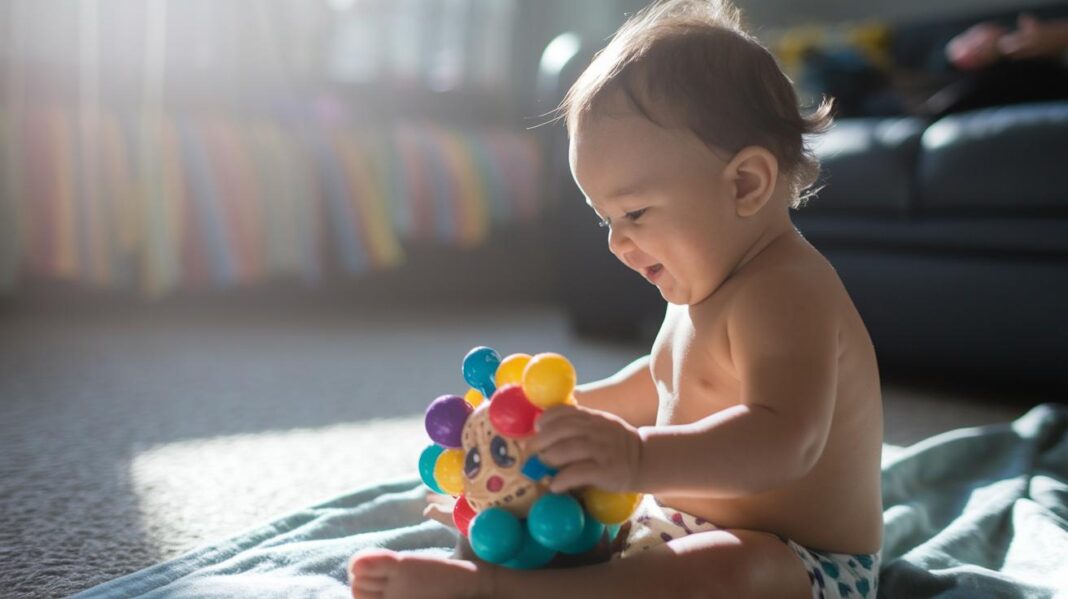
Have you ever wondered what your baby’s first smile really means? From day one, your little one begins to share soft smiles and gentle looks that connect them with you and the world. These early moments are more than just cute, they are the first signs of building trust and learning how to interact with others.
In this friendly chat, we’ll explore how even the tiniest smiles and gurgles help start a joyful journey toward social connection. Think of it as watching a quiet conversation begin, one smile at a time.
Infant Social Milestones: Joyful Growth Ahead
Babies are ready to bond from the very start. Right when they arrive, they look for familiar faces and kind voices. In the first three months, they can only see clearly up close, about 13 inches, and they start to show simple smiles and cute expressions. Sometimes, a mom or dad might catch a tiny, fleeting smile that promises a world of wonder.
Between three and six months, you'll notice more warmth in their reactions. Babies begin to smile more brightly and laugh with a deep, happy sound. They even enjoy a little back-and-forth "conversation" of coos and gurgles, like sharing a secret smile that builds trust and comfort.
From six to nine months, little ones start to show a mix of clear emotions. They may copy your facial expressions and brighten up when you smile. Then, by the time they reach nine to 12 months, their joy deepens. They light up at the sight of you, a favorite toy, or even their own reflection. It’s like their simple signals are turning into a rich mix of feelings and a growing sense of independence.
Foundational Social Signals in Newborns (0–3 Months)
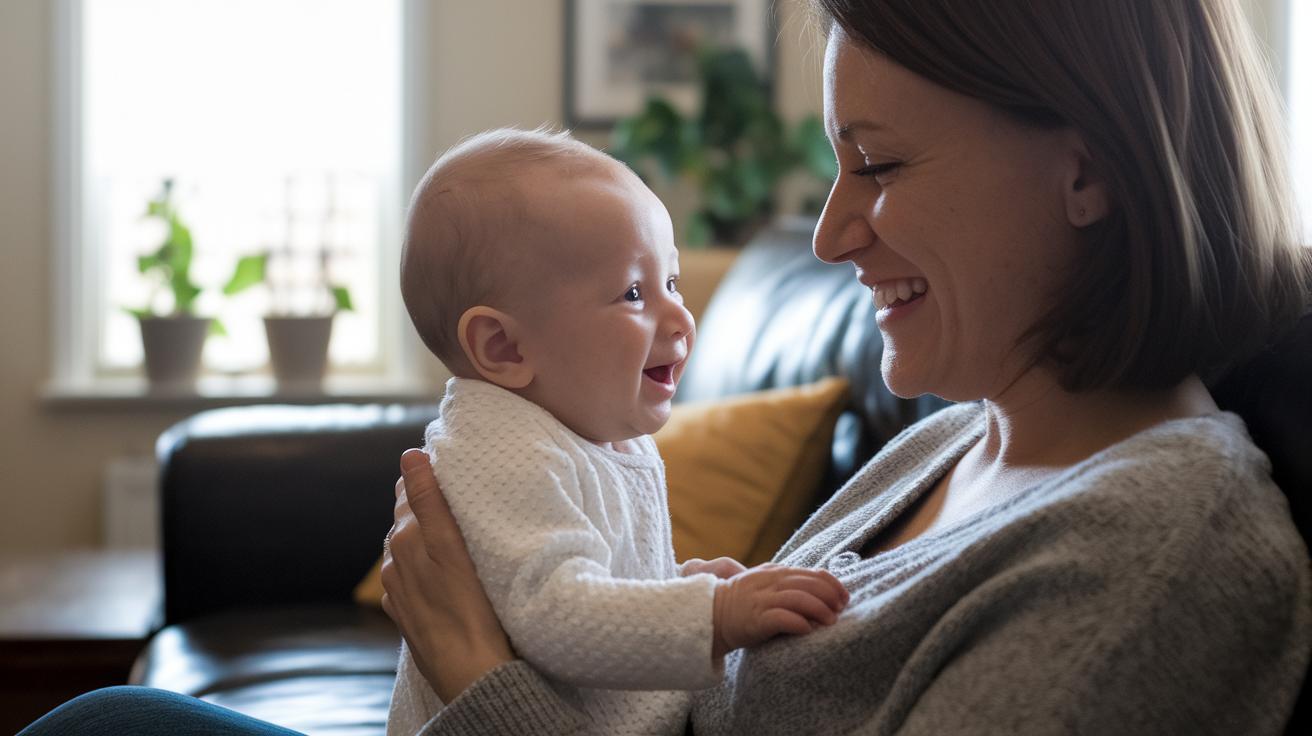
From day one, babies start noticing the faces and voices around them. They quickly settle their focus on those they trust and love. Around one month old, you might see tiny grimaces, little expressions that slowly become clearer signals. That quick, fleeting smile slowly turns into a gentle, meaningful look, showing that your baby is beginning to interact.
By three months, these little expressions grow into what many moms call "smile talk." At this stage, your baby exchanges soft, warm smiles with familiar faces, like a quiet conversation filled with care and recognition.
Smiles, Laughter, and Eye Contact (3–6 Months)
Between three and six months, your baby lights up when they see a familiar face. It’s like they’re saying, "I'm so happy you're here!" Their smiles aren’t just reflexes; they’re warm and full of joy.
At this stage, your little one starts to hold your gaze a little longer. They look at you with a mix of curiosity and comfort, as if you’re sharing a quiet, special conversation. One minute they flash a smile, and the next, you might see a giggle that mirrors the happiness in your own eyes.
Sometimes, a soft gurgle joins in, turning their smiles into a gentle language of its own. Think of it as your baby’s way of telling you they feel safe and loved. For instance, when you laugh, your baby might lean in close, responding with a contagious giggle that fills the room with warmth.
These early moments are special milestones, showing that your child is beginning to connect with the world around them in a caring and joyful way.
Growing Engagement: Mimicry, Reciprocity, and Joint Attention (6–9 Months)
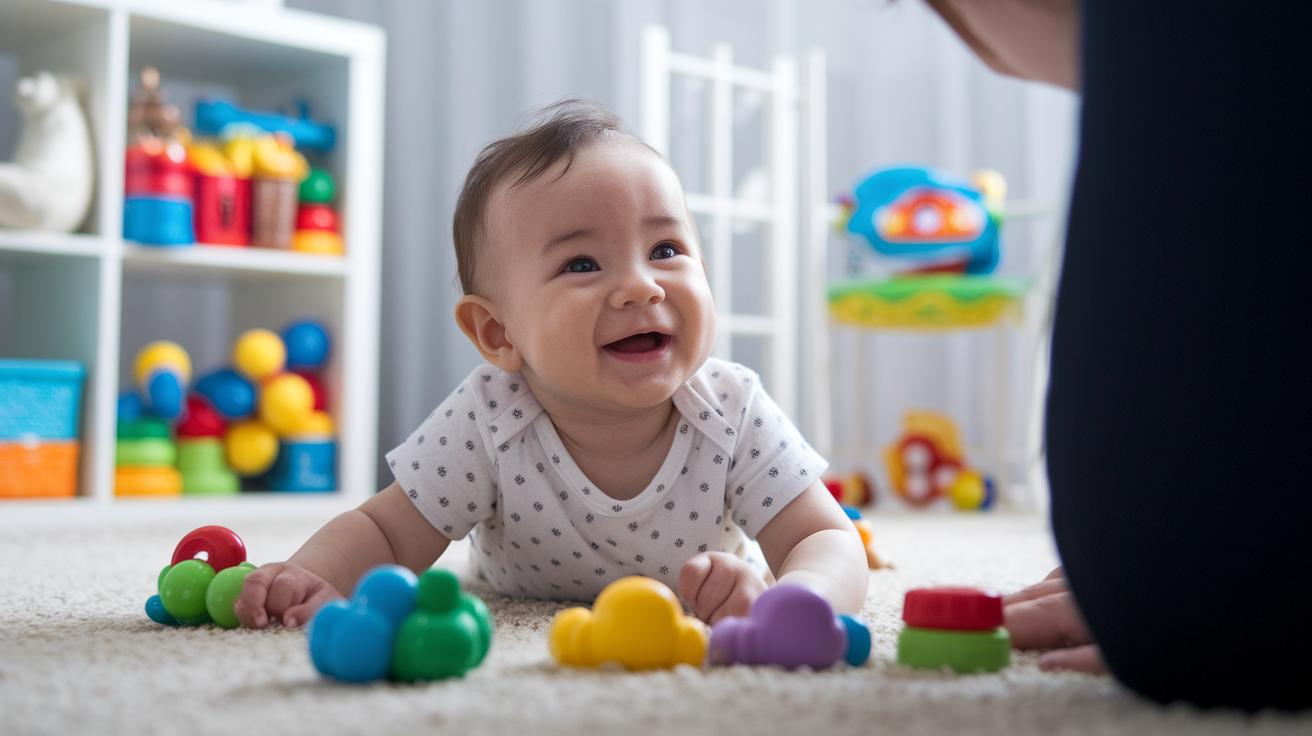
Between six and nine months, your little one starts showing a whole spectrum of emotions. They smile, giggle, and even copy the expressions you make every day. You might lift your eyebrows and see your baby mirror that surprised look, almost like they're saying, "I see what you're doing!" It's a simple yet lovely way for them to share a moment with you.
At this stage, your baby also tends to follow your gaze to something you’re looking at. When you point to a bright toy or a busy pet, their eyes track along, showing their growing curiosity. This shared focus, called joint attention, helps them learn by watching the world together with you.
You may also notice your baby glancing at your face whenever something new or uncertain comes along. This is known as social referencing. They look to you for a hint on how to feel, trusting your reactions to guide them. It’s a gentle dance of give and take that builds trust and helps them understand their feelings.
One mom once shared, "When I smiled at my baby during playtime, he returned that smile with such pure joy, it was a little moment that said so much." Moments like these, filled with simple yet meaningful exchanges, lay the groundwork for more complex social interactions as your baby grows.
Advanced Cues: Attachment Formation & Turn-Taking (9–12 Months)
At this age, your little one begins showing more emotions and connecting in a heartfelt way. When you walk into the room, expect that joyful spark as your baby lights up. It can feel like a mini celebration, just a simple smile exchanged that says, "I see you!"
Now is also the time for some fun turn-taking games. We’re talking about peekaboo, clapping games, and even a quick toy share that shows your baby is learning about give-and-take. They might sit there with wide eyes, waiting for your return, which is their way of saying they treasure each playful moment with you.
You might notice your baby feels more at home with familiar faces or a favorite toy rather than something brand new. This little habit helps boost their confidence when meeting others or exploring new things. These early exchanges pave the way for the more complex social skills and language tricks they’ll pick up later.
Keep an eye on these sweet signals, they’re little hints of your baby’s growing social world, making every shared moment special.
Red Flags in Infant Social Milestones
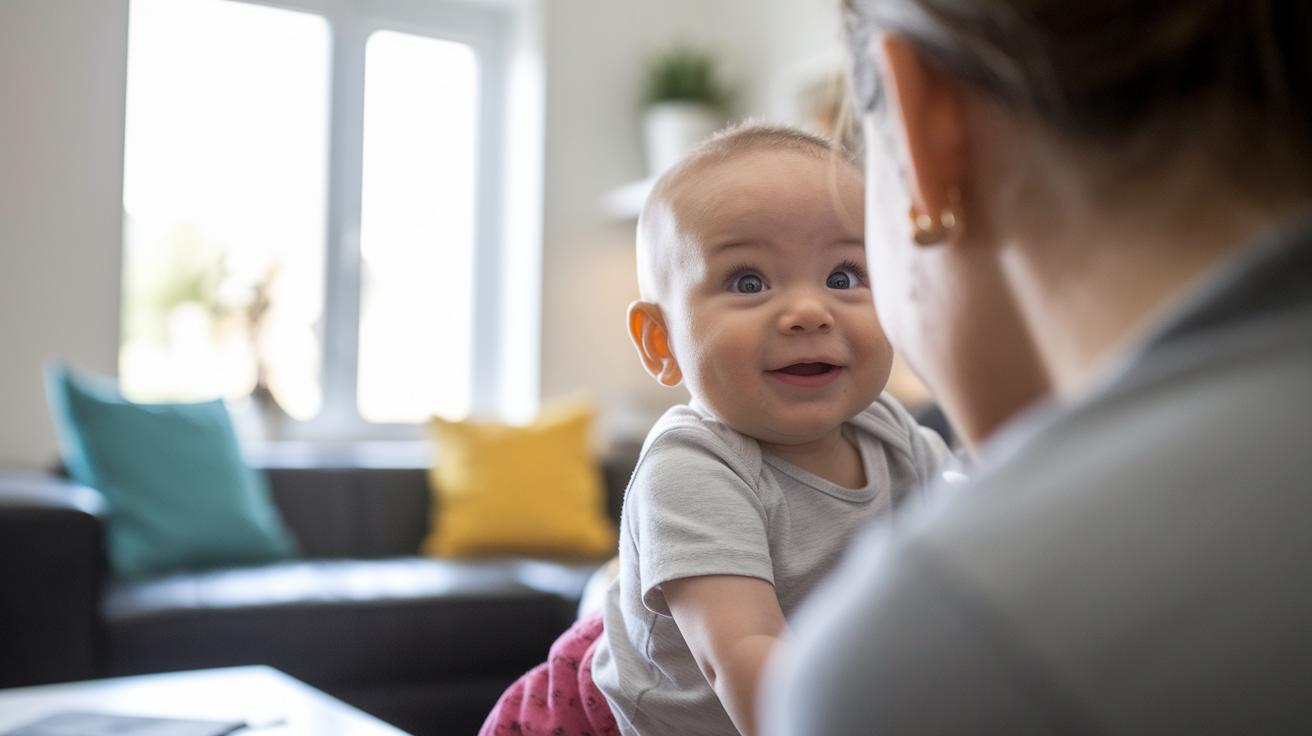
When you’re watching your baby grow, you might notice little signs that could point to a delay in social skills. A baby’s smile, laughter, and gentle eye contact are early signals of their growing bond with you. If your baby isn’t smiling much or seems to avoid eye contact, it might be a good idea to pay a little extra attention.
By around 8 to 9 months, if you see that your baby doesn’t smile freely, rarely makes eye contact, or doesn’t respond when you call their name, consider getting some advice from a professional. And when your baby turns 12 months, if they don’t seem excited to join in your games or copy your facial expressions during fun activities like peekaboo or pat-a-cake, that might also be a gentle red flag worth discussing with a pediatric specialist.
Remember, every baby is unique and develops at their own pace. However, here are some clear red flags you might watch for:
| Age | Red Flag to Watch For |
|---|---|
| 3 months | No social smile |
| 6 months | Limited eye contact and little warm laughter |
| 9 months | No imitation of facial expressions |
| 12 months | No sign of preferring caregivers or engaging in turn-taking games like peekaboo |
Noticing these cues early means you can decide if it might be time to chat with your pediatric specialist for a closer look. It’s all about making sure your little one gets the loving care they deserve.
Encouraging Social Milestones through Caregiver Interaction
Besides playing those fun games and sharing eye contact, why not try a few simple, proven techniques to boost your baby’s social skills? Recent studies hint that a gentle massage or a mindful smile in response to your baby’s little sounds can build trust and help kick-start early communication.
If you're excited to explore new ways to share special moments with your baby, give these ideas a try:
- Hold your baby close while keeping warm eye contact.
- Copy your baby's smiles and sounds as if you're sharing a secret.
- Read colorful picture books and chat back to your baby's coos.
- Play peekaboo and pat-a-cake for a fun, turn-taking game.
- Turn tummy-time into a sweet little conversation.
- Use soft, calming massage to show your baby love and trust.
Tracking and Charting Your Baby’s Social Progress
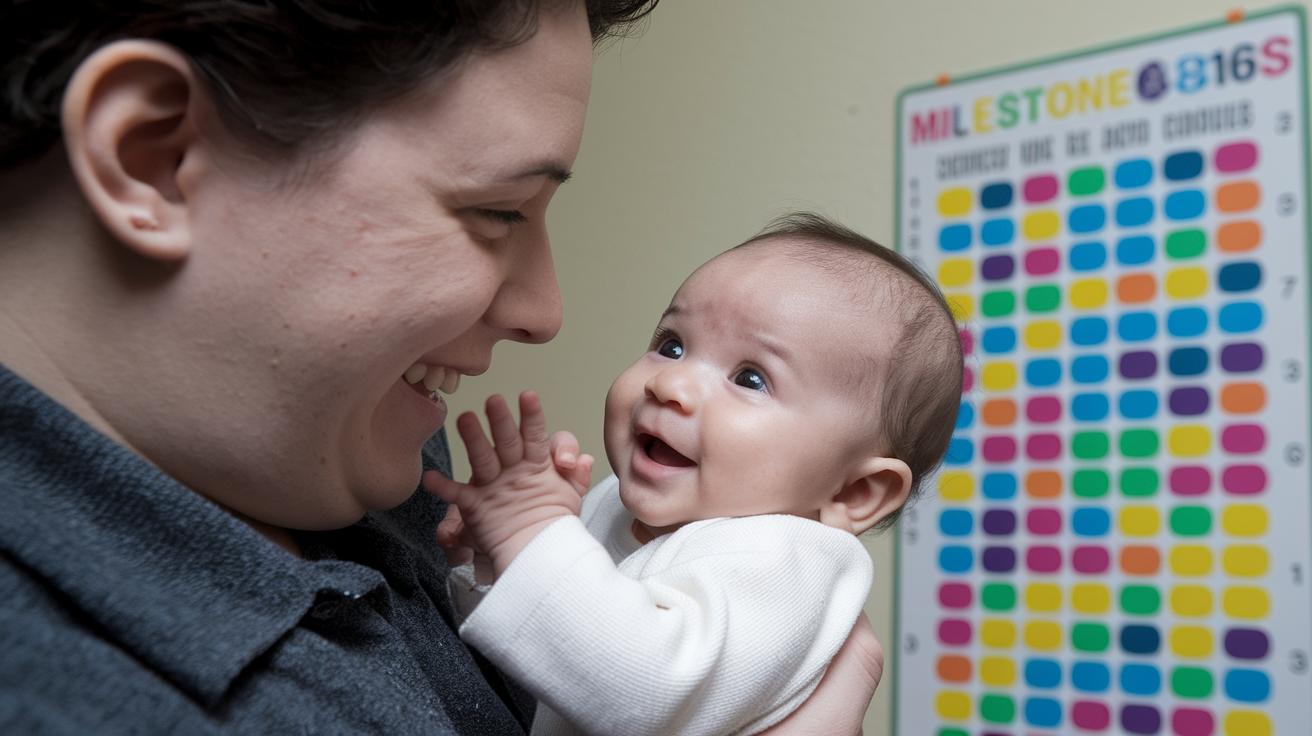
Creating a simple milestone chart is a lovely way to capture all those special moments as your baby grows. You can jot down the date, your baby's age, and little things you notice, like when they first smile back at you or hold your gaze a little longer during play. This chart isn’t just a keepsake; it helps you start conversations with your pediatric specialist. Imagine writing down the day your baby first looked where you pointed during playtime. Every note, whether it's a warm smile, steady eye contact, a shared moment of noticing something together, or joyful laughter during a fun tickle, helps show a bigger picture of your baby’s social growth.
Keeping your chart up to date offers real insights. It lets you see trends like growing emotional responses and those moments when your baby lights up when you come back. Sharing this information at checkups can bridge the gap between your observations and professional advice. Tracking these milestones makes the sometimes complex journey of growing up feel a bit simpler, and it gives you the chance to celebrate each heartwarming sign of connection.
| Milestone | Age Range | Observation Tips |
|---|---|---|
| Social Smile | 2–3 months | Smiles in response to your face or voice |
| Eye Contact | 3–6 months | Holds gaze for 3+ seconds |
| Joint Attention | 6–9 months | Follows your pointing or gaze |
| Emotional Reciprocity | 6–12 months | Repeats your smiles or laughs |
| Attachment Signs | 9–12 months | Shows joy when you return |
Integrating Social and Language Milestones
Babies teach us something truly heartwarming: they learn language and start showing their first smiles in the same beautiful moment. When your little one coos and babbles back to you, it's a sweet sign that they're making social connections while taking their first steps in language. Each gentle sound and smile is like a little conversation, slowly adding new words as they begin to understand feelings.
Imagine tummy time when your baby points at a toy and you softly say its name. Their coo in reply is their way of linking the word to what they see. These playful moments, with your gentle speech and warm smiles, help your baby pick up simple cues and recognize your caring expressions. One mom shared, "I noticed my baby leaning in every time I smiled and talked softly during play, as if saying, 'I understand you!'"
Simple games like singing short songs or reading picture books together also spark social language skills. Your baby learns that sounds have meaning and that kind, joyful interactions can light up both their feelings and early word formation. Every shared giggle or babbled word becomes a tiny building block for future communication.
Resources and Support for Infant Social Development
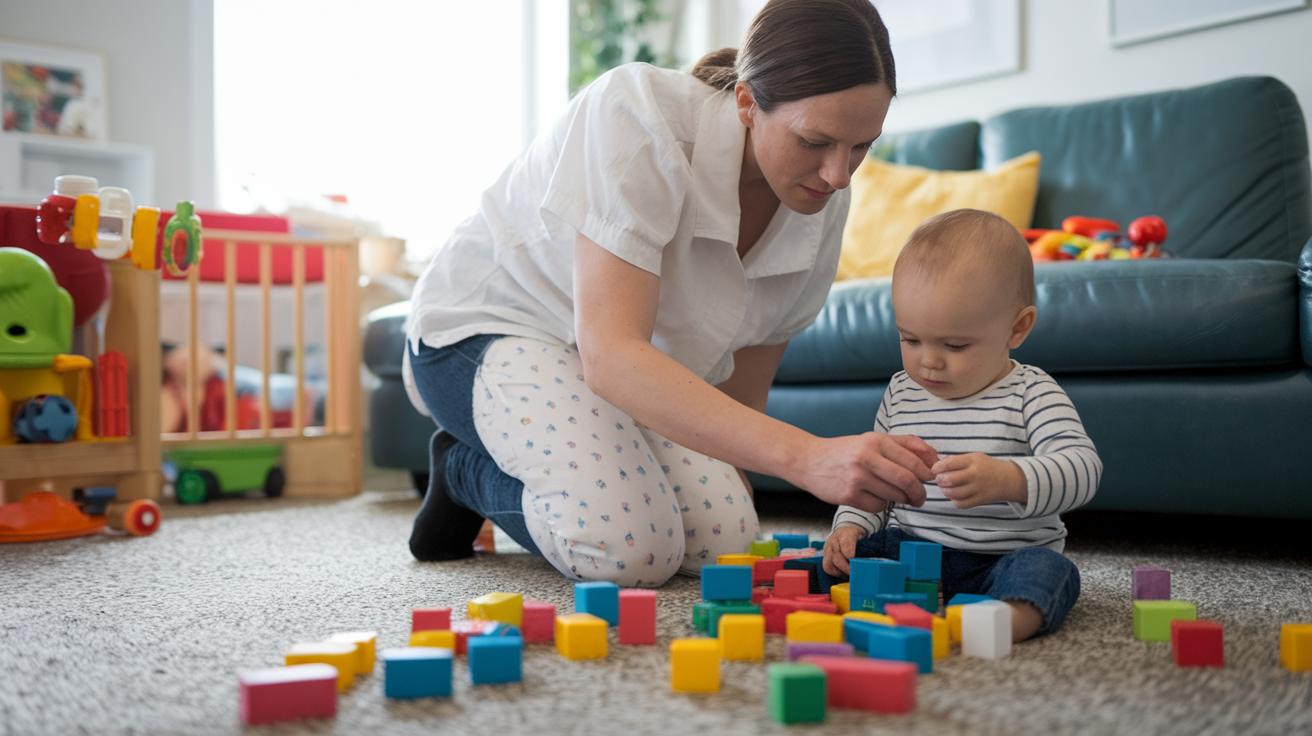
If you're a caregiver looking for extra help, community and family workshops are a wonderful start. These gatherings create warm spaces where you can share your own experiences, ask questions, and learn simple tips about your baby's social milestones and the little cues in their communication.
Local infant-toddler intervention services are hands-on helpers too. They offer fun, easy activities that make it simple to share smiles, enjoy eye contact, and play turn-taking games with your little one. These everyday moments can become really special bonding time.
If you ever find yourself worrying about your baby’s social progress, a pediatric screening is a great first step. It helps figure out if your child might need a bit of extra support and can lead to more focused help, like connecting with a speech-language pathologist or an occupational therapist.
Talking with a specialist brings more than just a check-up, it offers reassurance and practical tips that help both your baby’s growth and your peace of mind.
Final Words
In the action, we explored how baby interaction benchmarks unfold across the first year. You saw how early grins blossom into warm smiles and joyful exchanges, while simple games lay the foundation for deeper social bonds. We also touched on spotting when something might need further attention. Every part of this timeline offers practical insights to help you track and encourage your baby's progress. Staying attuned to infant social milestones can brighten both your day and your little one’s development.
FAQ
What is a social milestone for an infant?
A social milestone for an infant refers to the early behaviors like smiling, making eye contact, and responding to familiar voices that show a baby’s growing ability to connect with others.
At what age do babies start socializing?
Babies begin socializing from birth with early signals, and by 3–6 months they start smiling, laughing, and engaging in simple interactions with familiar faces.
What is an example of social development in an infant?
An example is when an infant smiles warmly at a caregiver, follows a parent’s gaze, or imitates facial expressions, indicating emerging communication and bonding skills.
What are common social milestones in babies from 0 to 12 months?
From 0 to 12 months, babies develop from occasional grins and eye contact to warm smiles, laughter, imitation of expressions, following gaze, and engaging in peekaboo-style turn-taking games.
How can I track my baby’s social development?
Using a simple checklist or milestone chart helps you log the date and behavior, like social smiles or joint attention, making it easier to share progress with your pediatrician.
Where can I find more information on infant social milestones?
Resources such as CDC guidelines, downloadable PDFs, and developmental charts offer detailed insights on infant social milestones, supporting you in monitoring your baby’s growth.