
Have you ever thought of your body like a car engine? When you feed it the right mix of carbs, proteins, and fats, it runs smoothly, almost like using premium fuel. Understanding these macronutrients for maternal (care during pregnancy) nutrition helps you care for yourself and your baby. It means more steady energy, a boost for your baby's growth, and a nurturing routine that feels both practical and uplifting. Each bite you take can add a little brightness to this special time.
Fundamentals of Maternal Macronutrients
During pregnancy, both you and your baby need plenty of energy to grow and thrive. Your body depends on three key nutrients: carbohydrates, proteins, and fats. Carbohydrates (like those found in fruits and whole grains) are your main fuel, and they should make up about 45-65% of your daily calories. Proteins, which should be around 10-35% of your calories, are essential for building your baby’s tissues, supporting the increase in your blood volume, and keeping your body strong. Fats, covering about 20-35% of your calories, are important for making hormones and helping your body absorb vitamins A, D, E, and K, which support your baby’s brain and eye development.
Think of your body like a car engine that needs the right mix of fuel and oil. When you choose quality carbohydrates, you’re not just filling up, you’re giving yourself steady energy that helps keep your blood sugar stable and your mind calm. It’s amazing how small changes in your food choices can make your day a little brighter!
Following a healthy prenatal diet means that both your body and your growing baby get the energy and nutrients they need. Simple choices, like adding more colorful veggies for extra vitamins or choosing lean proteins for tissue building, go a long way in nurturing a balanced, healthy routine during this special time.
Carbohydrates for Expectant Mothers
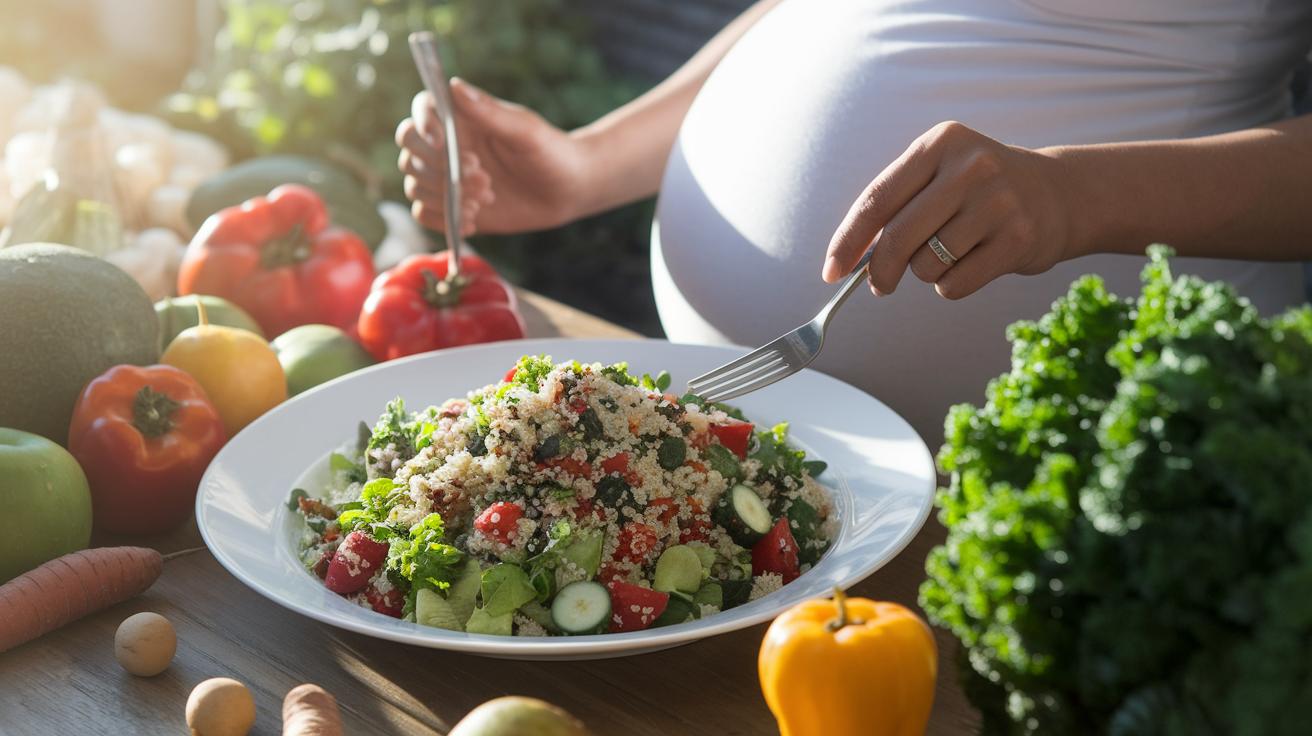
Carbs give your body the energy it needs during pregnancy. They should make up 45–65% of your daily calories to help you stay energized, especially when you're in the second and third trimesters. At this time, you might need about 300 extra calories a day to keep both you and your baby feeling strong.
Complex carbs are like premium fuel for your body. Foods like whole grains, fruits, and vegetables provide steady energy along with fiber, B-vitamins, and essential minerals to keep your digestion healthy and your blood sugar balanced. Fun fact: before she became a celebrated scientist, Marie Curie carried test tubes of radioactive material in her pockets, imagine that surprise! In the same way, choosing high-quality carbohydrates can make a big, positive difference in your energy levels and overall well-being.
Simple sugars and refined carbs, like white bread or sugary snacks, are more like quick bursts of energy that quickly fade away. These foods can cause sudden spikes in your blood sugar and may raise your risk of gestational diabetes. So, it's best to limit those and go for steadier options.
When planning your meals, try to include different healthy complex carbs. For example, you might enjoy a warm bowl of oatmeal with fresh berries for breakfast, or a bright salad with quinoa and leafy greens for lunch. A light snack like an apple with a few nuts can help keep your energy balanced all day long.
Choosing the right carbohydrates supports your body's energy needs, helps your digestion work smoothly, and keeps your blood sugar levels stable, all key parts of staying healthy during pregnancy.
Proteins and Growth: Meeting Gestational Requirements
Protein is your body’s quiet helper. It works every day to build more blood, help your uterus and breasts grow, and care for your baby’s developing organs and brain. During the second and third trimesters, try to have about 0.7 to 1 gram of protein for every pound you weigh. Think of it as giving your body the building blocks to make new tissues and keep everything running just right.
When you enjoy a meal with good quality protein, you’re giving your body important amino acids, those little helpers that your body can’t make on its own. It can be fun mixing up your protein choices. For example, how about starting your morning with scrambled eggs and some lean turkey bacon? Little choices like this really add up over time.
Eating foods like lean meats, chicken, fish, eggs, dairy, beans, and other legumes fills your day with a mix of important nutrients. Imagine a bright salad topped with grilled chicken and beans, the colors and flavors not only look inviting but also pack in protein, vitamins, and minerals that help with tissue repair and growth for you and your baby.
Every meal is a chance to support your strength and health. Each bite helps you stay strong while nurturing your baby’s growth. Balancing your protein with other nutrients is a great way to keep your energy up and be ready for everything that each day brings.
Healthy Fats: Crucial Lipids for Pregnancy
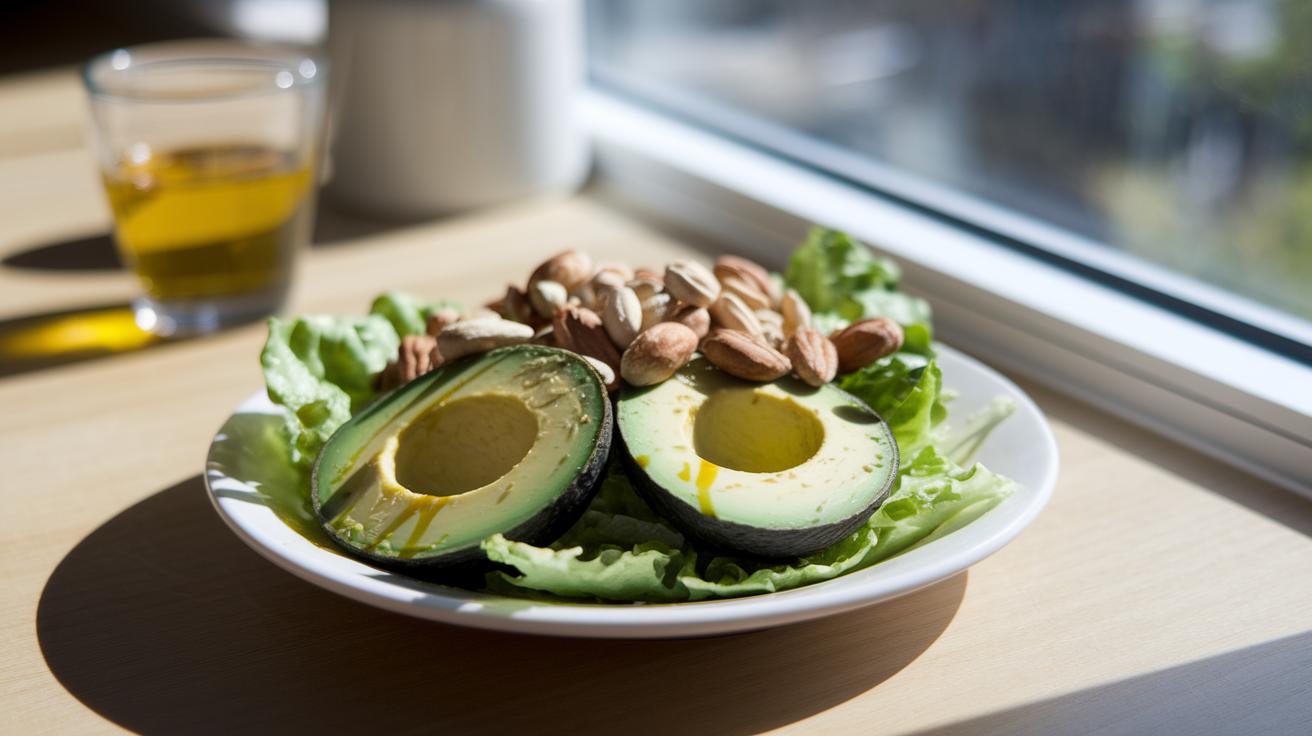
Fats work quietly yet powerfully in your body when you're pregnant. They help balance your hormones and support the absorption of vitamins A, D, E, and K (the vitamins that dissolve in fat). They also give a nice boost to your baby's brain and eyes. Experts suggest that about 20–35% of your daily calories come from fats, with at least 30% from good sources like omega-3 and omega-6.
Imagine adding creamy avocado slices or a small handful of nuts to your meals. It’s like giving your body a warm hug! Picture a fresh salad finished with a light drizzle of olive oil, simple steps that support both your well-being and your baby’s growing needs. One mom even told me, "A drizzle of olive oil on roasted veggies turned an ordinary meal into something extra special!"
Foods like fatty fish (think salmon or sardines) are great too, because they pack plenty of omega fats that help with your baby’s vision and brain growth. And if you need a quick snack, try a bowl of mixed seeds alongside some fruit. They add healthy fats and fiber at the same time. Just remember, while these fats are helpful, it’s best to steer clear of trans fats and limit saturated fats to less than 10% of your total calories.
These good fats not only make your meals tastier, they also help meet your body’s needs during this amazing time of growth and change.
Macronutrient Distribution and Calorie Management in Pregnancy
If you're expecting, you might notice your energy needs change as your pregnancy moves along. In the second and third trimesters, you may need about 300 extra calories a day. And sometimes, making small tweaks in your meals can really help. For example, in the second trimester, adding a bit more protein (like lean meats or beans) can support the body as it builds new tissue. In the third trimester, a little extra healthy fat (think avocado or walnuts) might give your baby the boost needed for brain growth. Imagine starting your morning with a comforting bowl of oatmeal topped with crunchy walnuts and a light drizzle of olive oil, it’s a simple way to nourish both you and your baby.
Below is a handy table that shows the recommended breakdown of your calories by macronutrient, along with a few tips for adjusting with each stage:
| Macronutrient | % of Total Calories | Notes |
|---|---|---|
| Carbohydrates | 45-65% | Main source of energy; choose whole grains and fruits for long-lasting fuel |
| Proteins | 10-35% | Extra protein helps with tissue growth, especially in the second trimester |
| Fats | 20-35% | A small boost in healthy fats during the third trimester can support baby’s brain development |
When planning your meals, think about these gentle adjustments. Maybe during the second trimester, enjoy a fresh salad with grilled chicken to add extra protein. And in the third trimester, you might try a snack like avocado toast sprinkled with seeds. These little shifts make a big difference, helping you feel balanced and supported as your needs change.
Meal Planning Strategies for Balanced Maternal Macros
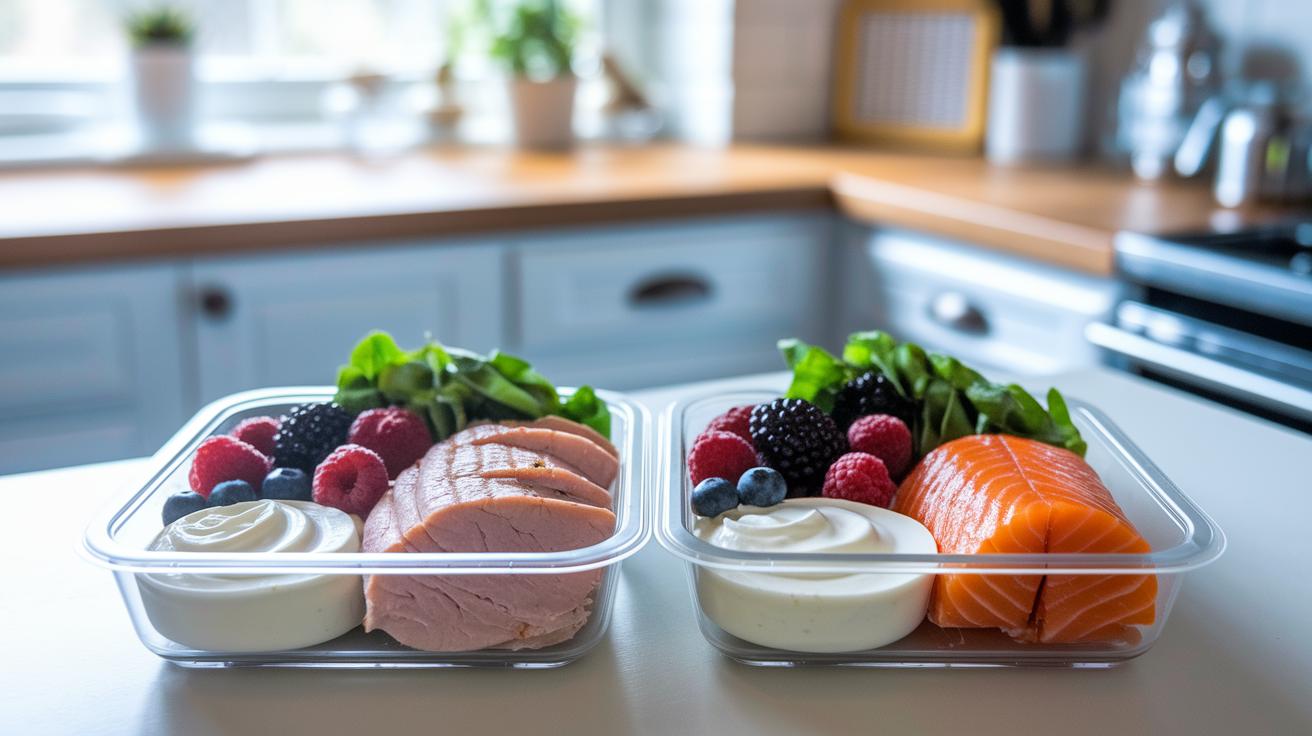
When planning your meals, try to see each one as a small chance to care for both you and your baby. It really helps to set aside a little time every week to map out your meals and get things ready in advance. That way, you won’t scramble last minute and miss out on nutrient-packed foods.
Here are a few easy ideas for a healthy prenatal (pregnancy) diet:
- A bowl of Greek yogurt with oats and berries. This mix gives you protein and nice, slow-acting carbs to keep you full and energized through your busy morning.
- A salad with grilled turkey and quinoa, lightly drizzled with olive oil. It provides lean protein, wholesome carbs, and healthy fats, all important for building tissues and keeping your energy up.
- Baked salmon served with brown rice and steamed broccoli. This dish delivers omega-3 fats for your heart, fiber, and a balanced mix of carbs that help with both your and your baby’s brain development.
For snacks that pack a nutritional punch, try these:
- Apple slices with almond butter offer a satisfying crunch along with protein and natural sugars for a quick pick-me-up.
- Hummus paired with whole-grain crackers adds fiber and plant-based protein to your diet.
- A small bowl of trail mix with nuts and dried fruit gives you a nice blend of healthy fats, protein, and carbohydrates.
Remember, it’s best to spread out meal prep over the day. Planning your meals and snacks regularly can help keep your blood sugar steady and avoid that overwhelming hunger. And don’t forget to drink enough fluids, about 8 to 12 cups of water or other healthy drinks daily. This kind of simple planning makes it easier to enjoy balanced meals that light up both your body and baby with care.
Final Words
We dove into the basics of macronutrients and how each one, carbs, proteins, and fats, plays a part in supporting both you and your baby. Each section broke down why these nutrients matter, from energy needs to growth and overall health. Calorie management and meal-planning tips showed simple ways to balance eating choices every day. Understanding macronutrients for maternal nutrition brings clarity and confidence, making healthy eating feel both doable and uplifting.
FAQ
What are the key macronutrients needed during pregnancy?
The key macronutrients include carbohydrates, proteins, and fats. They supply energy, support fetal growth, and help maintain maternal tissues with a balanced intake of 45–65% carbs, 10–35% protein, and 20–35% fats.
What are some important micronutrients for a healthy pregnancy?
The important micronutrients for a healthy pregnancy include folic acid, iron, calcium, and vitamin D. They support fetal development, promote strong bones, and help maintain overall maternal health.
What are the energy requirements during pregnancy and lactation?
The energy requirements during pregnancy and lactation increase, especially in later trimesters, when you may need about 300 extra calories daily. This additional energy supports both fetal growth and maternal well-being.
What should my macros be when I’m pregnant?
Your pregnancy macros should be balanced with roughly 45–65% of calories from carbohydrates, 10–35% from protein, and 20–35% from fats. These ranges help support the growing needs of both mother and baby.
Why is nutrition important for maternal and fetal health?
Nutrition is important because a balanced diet fuels fetal development, supports maternal tissue growth, and maintains energy levels. Good nutrition sets the stage for healthy outcomes throughout pregnancy and beyond.
Which macronutrient is most vital for synthesizing new tissues in pregnancy?
Proteins are the most vital macronutrient for synthesizing new tissues. They provide essential amino acids that help build fetal organs and support the growth of maternal tissues.
Where can I find detailed guidelines on prenatal nutrition?
Detailed guidelines on prenatal nutrition, including specific macronutrient and micronutrient recommendations, are available as downloadable PDFs from trusted health organizations and are based on clinical research.