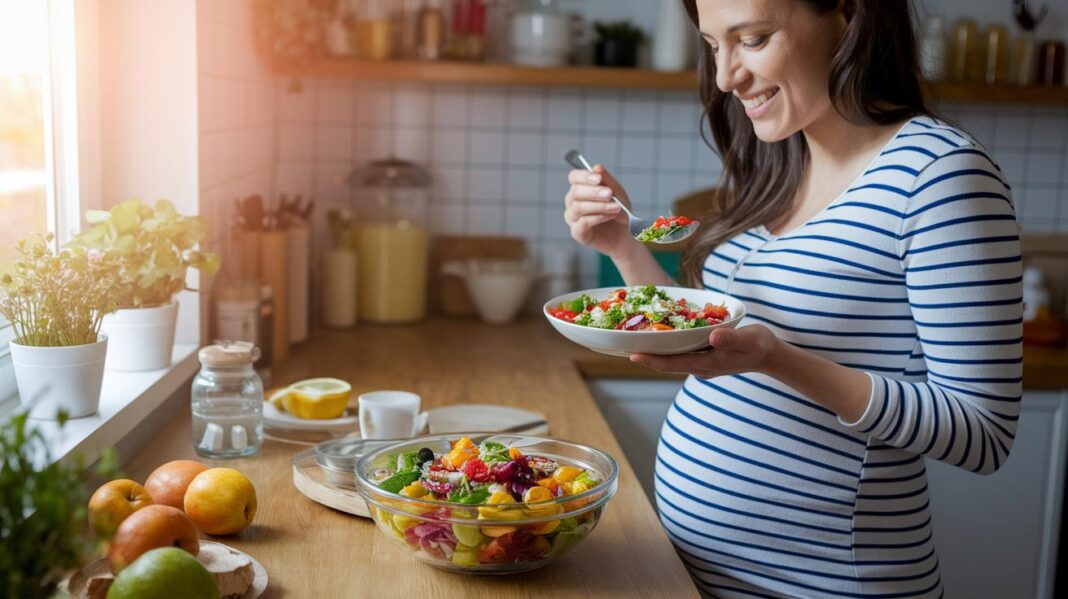
Have you ever noticed that what you eat might gently change how you feel during pregnancy? Research shows that eating a mix of fruits, vegetables, lean proteins, and healthy fats can help keep your body's natural balance. This means you might lower the risk of some issues while feeling more supported every day. Even small tweaks to your meals, like adding a little extra color or flavor, can fill your day with care and confidence for both you and your baby.
Evidence Linking Maternal Nutrition and Inflammation Reduction
During pregnancy, our bodies naturally allow a bit of inflammation to help the baby grow. Eating a balanced mix of nutrients keeps this process steady and helps protect both mom and baby. A variety of fruits, veggies, whole grains, lean proteins, and healthy fats can support your body in managing inflammation while you’re expecting.
Check out maternal diet and wellness guidelines
Did you know that almost 1 in 10 U.S. babies are born too early? And over 85% of adults don’t get enough servings of fruits and vegetables. This means many moms might not be getting the nutrients needed to keep inflammation in check. It can be tough to consistently eat foods that are packed with nutrients, and that imbalance might affect the gentle inflammation your body needs for a healthy pregnancy.
If inflammation goes beyond a gentle level during pregnancy, it could raise the chances of conditions like gestational diabetes, preeclampsia, or high blood pressure. There’s good evidence that changing your eating habits can help manage inflammation, which might lower these risks and support a healthy, thriving pregnancy.
Maternal nutrition and inflammation reduction: Flourishing Pregnancy
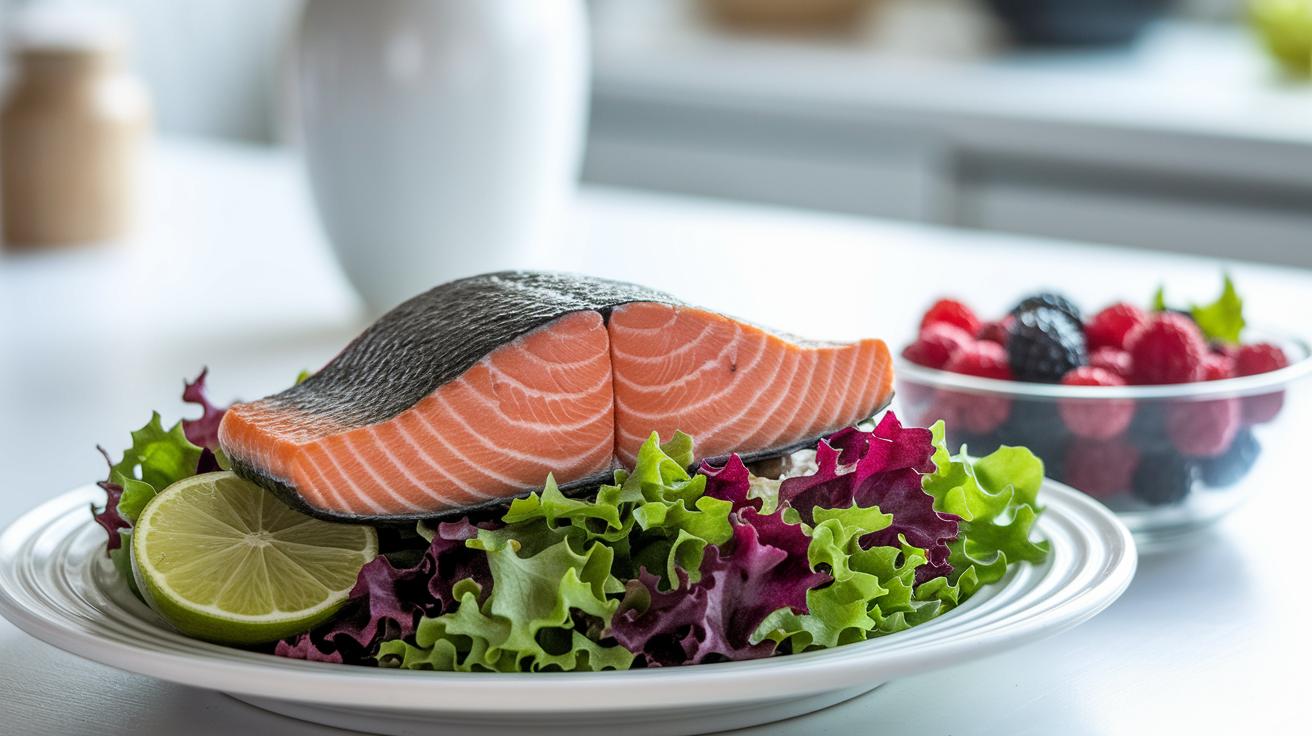
Having a balanced diet during pregnancy means making sure you get different groups of foods that gently keep inflammation at just the right level for you and your baby. Foods full of omega fatty acids, antioxidants, vitamin D, and even probiotics can help your body stay in balance. Mixing these into your regular meals can smooth out little imbalances and boost overall wellness. Think of adding bright, fresh foods that bring natural color and a bit of magic to your plate.
Omega-3 Fatty Acids
Omega-3 fatty acids work with your body to help control inflammation by guiding how your cells communicate. They come mainly from fatty fish like salmon, mackerel, and sardines. Expecting moms might enjoy having at least two servings of these fish each week. Imagine a yummy salmon fillet served with a crisp, fresh salad, it’s a delicious way to help your baby’s brain and eye development. Even a sprinkle of flaxseed on your yogurt can add a soft boost of omega-3 to help keep things balanced.
Antioxidants
Antioxidants like vitamins C and E, along with plant polyphenols, help fight stress from free radicals (tiny unstable molecules) during pregnancy. You’ll find them in colorful foods such as citrus fruits, berries, leafy greens, and a handful of nuts. Adding these foods into your snacks and meals can lower stress on your cells, creating a calmer inside. Your body gets a burst of flavor and those good, protective nutrients that help keep inflammation in check. And don’t forget about vitamin D and probiotics, they can support your immune system and may lessen some of the signals that make inflammation stronger. A glass of fortified milk or a serving of probiotic yogurt can be a lovely daily treat to help you feel balanced during this special time.
Anti-Inflammatory Meal Strategies in a Gestational Diet
When you're expecting, choosing a mix of bright, whole foods can feel a bit like creating a work of art on your plate. Filling your meals with a variety of fruits and veggies not only gives you important vitamins and calming nutrients but also makes your dishes look colorful and inviting. Imagine a rainbow salad or a warm bowl of quinoa with roasted vegetables, each bite helps support your body and keeps you feeling balanced during your pregnancy.
Planning your meals can be as natural as setting up a family dinner. Pick one plate at a time, making mindful choices that work together to boost your wellness. By using simple gestational eating tips, you build a menu of nutrient-packed foods that nurture your body. The table below gives you some clear, easy ideas to help ease inflammation while enjoying a tasty, healthy diet.
| Meal | Component Foods | Anti-Inflammatory Benefit |
|---|---|---|
| Breakfast | Oatmeal with berries and flaxseed | Provides fiber, antioxidants, and omega-3 fats |
| Lunch | Mixed greens salad with salmon | Supplies omega-3 and vitamins A & C |
| Snack | Walnuts and carrot sticks | Offers healthy fats and beta-carotene |
| Dinner | Turmeric-spiced lentil stew | Features curcumin and plant protein |
Impact of Nutritional Inflammation Control on Pregnancy Outcomes
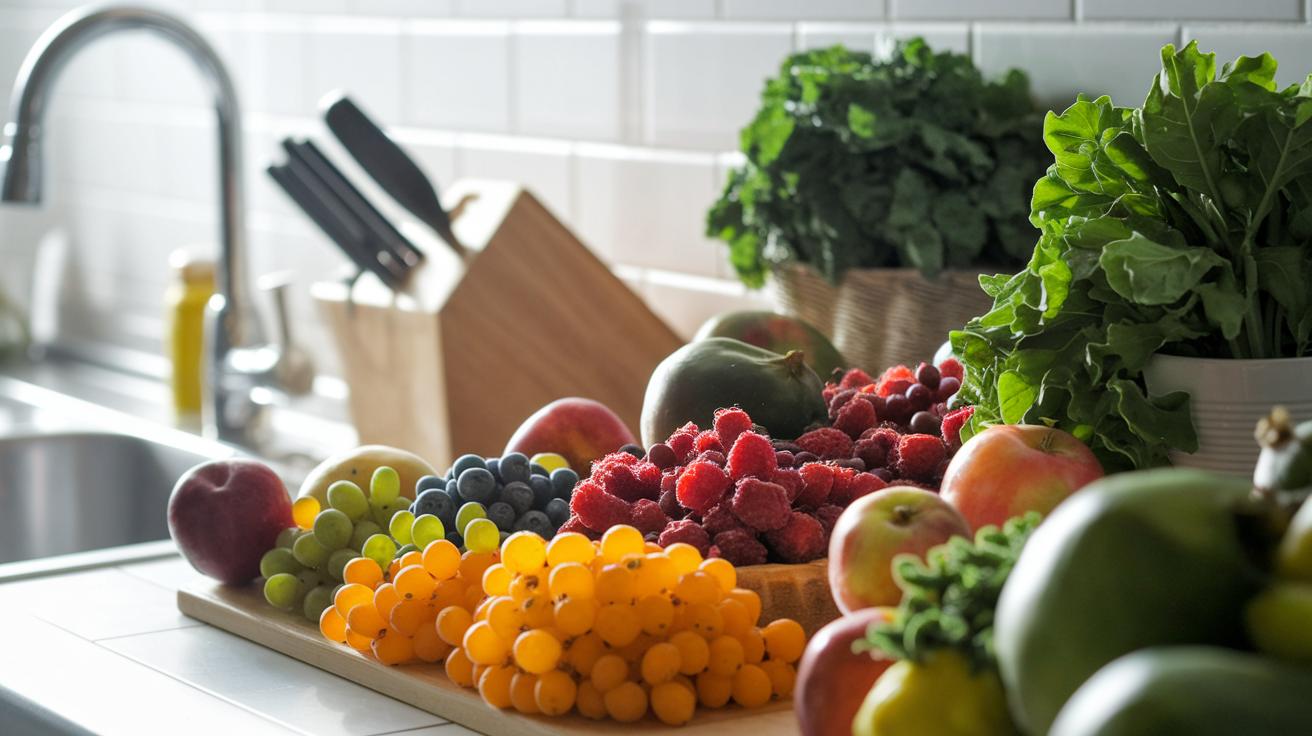
High blood pressure problems and gestational diabetes in pregnancy have risen by about 25% over the past 20 years. One big reason behind this increase is that many moms aren’t getting the nutrient-rich foods their bodies need. When you add a mix of colorful fruits and vegetables to your diet, you’re giving both you and your baby the nourishment you need. Imagine adding fresh, vibrant fruits to help keep your blood pressure steady. New studies have shown that eating more anti-inflammatory foods is linked with fewer cases of high blood pressure and even a lower chance of preterm births.
Research also shows that a balanced diet during pregnancy may help reduce risks for conditions like preeclampsia and gestational diabetes. Experts have noticed that moms who fill their plates with plenty of fruits and veggies often experience fewer early deliveries and enjoy better blood pressure control. Although these findings are encouraging, we still need more studies to understand how specific changes in diet could further lower inflammation-related risks during pregnancy.
Practical Tips and Nutritious Recipes for Reducing Inflammation
Imagine your kitchen as a little healing workshop where every meal you create brings comfort and care. When you plan your dishes with a mix of yummy ingredients, you're not just filling your belly, you’re also helping to keep inflammation in check. A few small tweaks, like adding colorful superfoods and warm spices, can turn everyday cooking into a delightful routine, especially when you're mindful of your body’s needs during pregnancy (the time when you're expecting a baby).
Think of simple changes like including foods such as salmon, walnuts, and berries. These favorites are packed with omega-3 fats and antioxidants, which your body really appreciates.
-
Salmon and quinoa bowl with turmeric-ginger dressing
Picture a bowl of tender salmon and light quinoa, all topped with a bright, zesty dressing that has a gentle, spicy warmth. -
Berry-spinach smoothie with flaxseed and Greek yogurt
Blend juicy berries and fresh spinach with a spoonful of flaxseed and creamy Greek yogurt for a refreshing drink bursting with goodness. -
Turmeric-spiced roasted vegetable medley with black pepper
Enjoy a mix of colorful veggies roasted just right, sprinkled with a dash of turmeric and black pepper to help boost the spice’s benefits. -
Walnuts and citrus fruit salad with orange-zest vinaigrette
Imagine a crisp salad filled with crunchy walnuts and tangy citrus fruits, all dressed in a bright vinaigrette that lifts your mood. -
Green tea–infused overnight oats with cinnamon
Think of oats soaking in soothing green tea overnight, then waking up with a hint of cinnamon for extra flavor and a little extra help with inflammation.
Switching up these recipes throughout your week can make healthy eating feel both easy and fun. It’s a simple way to keep your meals interesting while gently supporting your body’s needs.
Monitoring Inflammation and Nutritional Biomarkers in Expectant Women

When you're expecting, it can be really helpful to check on a few key lab results. Tests for things like C-reactive protein (CRP) and interleukin-6 give you a peek into any inflammation your body might be dealing with. Measurements of the omega-3 index tell you how much of these good fats are in your system, which naturally helps keep inflammation in balance. And by looking at nutrients like vitamin D along with omega-3, you can see if your diet is giving you and your baby the essentials you both need. Think of these lab markers as gentle hints from your body, helping you decide if you need to make any small, healthy changes.
Most doctors suggest you get these tests done every trimester. This way, your care team can see what changes might be needed in your diet or routine as your pregnancy moves along. For example, if your CRP levels go a bit higher than usual, your provider might recommend adding more anti-inflammatory foods or supplements into your meals. Adjusting your meal strategy this way can help keep inflammation low and support a happy, healthy pregnancy.
Final Words
In the action of our discussion, we explored how a well-balanced prenatal diet supports gestational health by managing inflammation. We broke down core anti-inflammatory nutrients, shared meal ideas, and emphasized tracking key nutritional markers.
We also unraveled practical tips that tie into whole-body wellness. Maternal nutrition and inflammation reduction stands at the center of these insights, giving expectant families the confidence to enjoy a healthier pregnancy. Stay inspired and positive as you take these steps forward.
FAQ
How to reduce inflammation in the body fast during pregnancy?
Reducing inflammation quickly during pregnancy means choosing a balanced diet. The answer involves incorporating omega-3s, antioxidants, and whole grains to help calm inflammation while keeping both mom and baby well.
How does nutrition reduce inflammation?
Nutrition reduces inflammation by supplying essential nutrients like omega-3 fatty acids and antioxidants. These components help moderate the body’s inflammatory response and support overall health during pregnancy.
Does pregnancy reduce inflammation in the body?
Pregnancy is actually a controlled inflammatory state, not a period that reduces inflammation. The answer is that proper nutrition is key to managing this balance for a safe and healthy gestation.
How to reduce inflammation in the body to get pregnant?
Lowering inflammation before conception involves adopting a nutrient-dense diet rich in omega-3s, antioxidants, and fiber. The answer is that these changes help create a healthier environment for conception.