Have you ever noticed just how fast a baby can grow in one short year? In those early months, every smile, little grasp, and adorable babble fills the day with new life.
This post takes you on a journey through those special milestones, from tiny hands reaching for a favorite toy to the heartwarming sound of first words. Think about how those small changes, like a new movement or sound, can signal a step forward in your little one’s growth.
I invite you to join us as we explore this gentle, joyful journey. Every day becomes a new celebration of discovery.
Infant first year milestones: Joyful growth insights
In those early days, from birth until around 3 months, babies show off natural reflexes. They use the rooting reflex to search out a nipple and grip with their tiny hands. Their very first smiles light up the room, and they start following a face or a moving object with gentle curiosity. Picture a little one quietly gazing at a mobile overhead, as if saying, "I'm discovering all this bright, beautiful light!" These moments gently pave the way for deeper, more interactive conversations.
Then, around 4 to 6 months, things get even more lively. Babies begin to roll over and reach for toys with eager little hands. You might hear their playful babbling as they mix vowels with soft consonant sounds, crafting their own little melody. Imagine a happy baby on a soft blanket, playfully batting a vibrant toy, showing how movement and sound can spin together like a delightful dance.
As they move into the 7-to-9-month phase, many babies sit up on their own and even attempt to crawl with bursts of excitement. During this time, they start to grasp that even when a toy is partly hidden, it hasn’t just vanished, almost as if saying, "I know it’s still there!" Each new ability is like a tiny, heartfelt victory, gently warming everyone’s hearts.
By the time they reach 10 to 12 months, little ones often pull themselves up to stand and cruise along the furniture. They may even offer their very first words, like mama or dada, accompanied by sweet, accompanying gestures. These movements, sounds, and expressions are key signs of their growing strength, and regular check-ups help ensure they’re thriving every step of the way.
Key Motor Milestones in Infant’s First Year
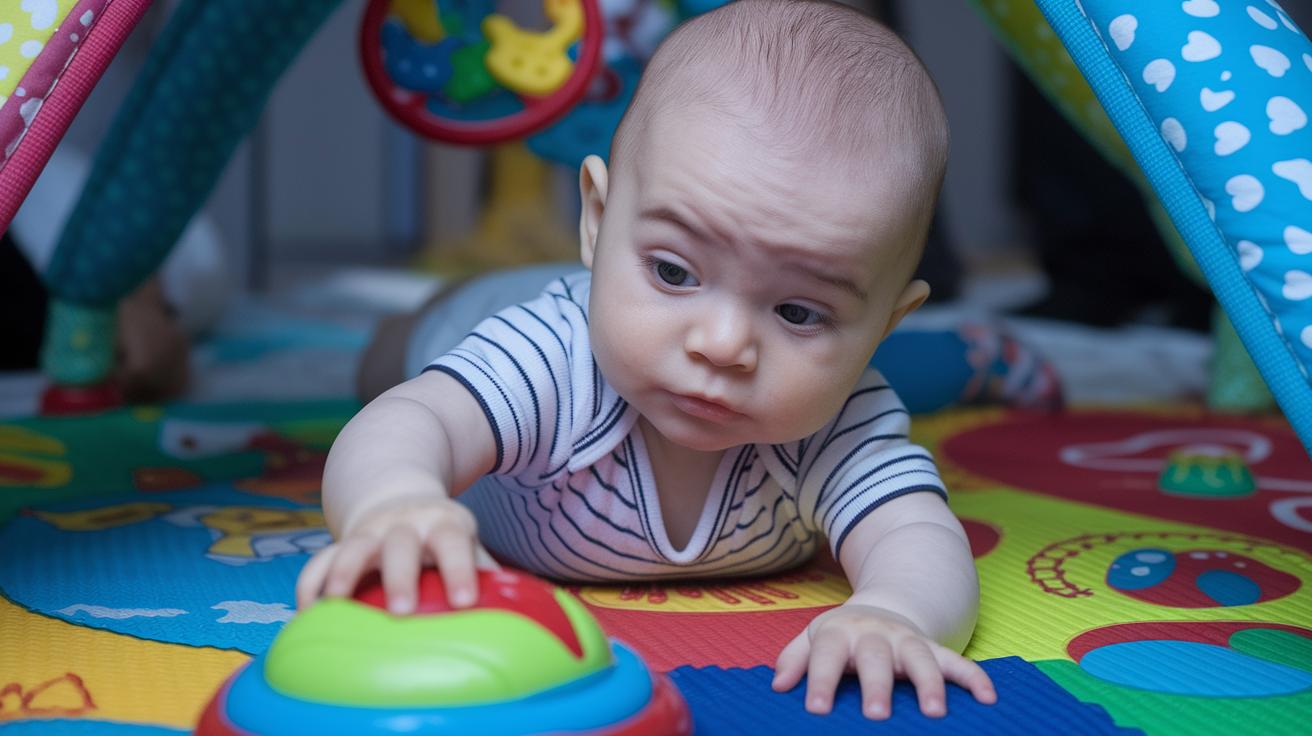
At 0-2 months, babies start with natural instincts like rooting and grasping. They begin to work on head control and can track moving objects with bright, curious eyes. You might try giving them contrasting objects during cuddle time to spark their visual interest!
From 3-4 months, you may see your baby pushing up on their arms and even rolling over. These smooth movements show they're building muscle strength. Increasing tummy time can really help them develop better coordination.
By 5-6 months, many little ones can sit with just a bit of support. Imagine your baby sitting during storytime, leaning forward with a look of sweet curiosity. It's a sign their core muscles are getting stronger.
At 7-8 months, babies often sit all by themselves, showing improved balance and ease. Placing soft cushions around them creates a cozy and safe space for practice.
Around 9 months, crawling becomes more common and many babies start pulling themselves to stand. This makes it easier for them to explore their world. Setting up a safe floor space encourages them to reach and move freely.
From 10-12 months, babies often cruise along furniture and may even take their first independent steps. It’s an exciting stage of gross motor development. Using gentle push toys can boost their confidence as they learn to walk.
Language and Communication Milestones in Infant’s First Year
We've brought together those key language milestones, like early reflex sounds, cooing, babbling, and even the first simple gestures, into our Infant First Year Milestones: Joyful Growth Insights section. This way, you'll find all the essential details in one friendly, easy-to-read spot without any extra repetition.
Cognitive and Social-Emotional Milestones for Infants
Cognitive Development Milestones
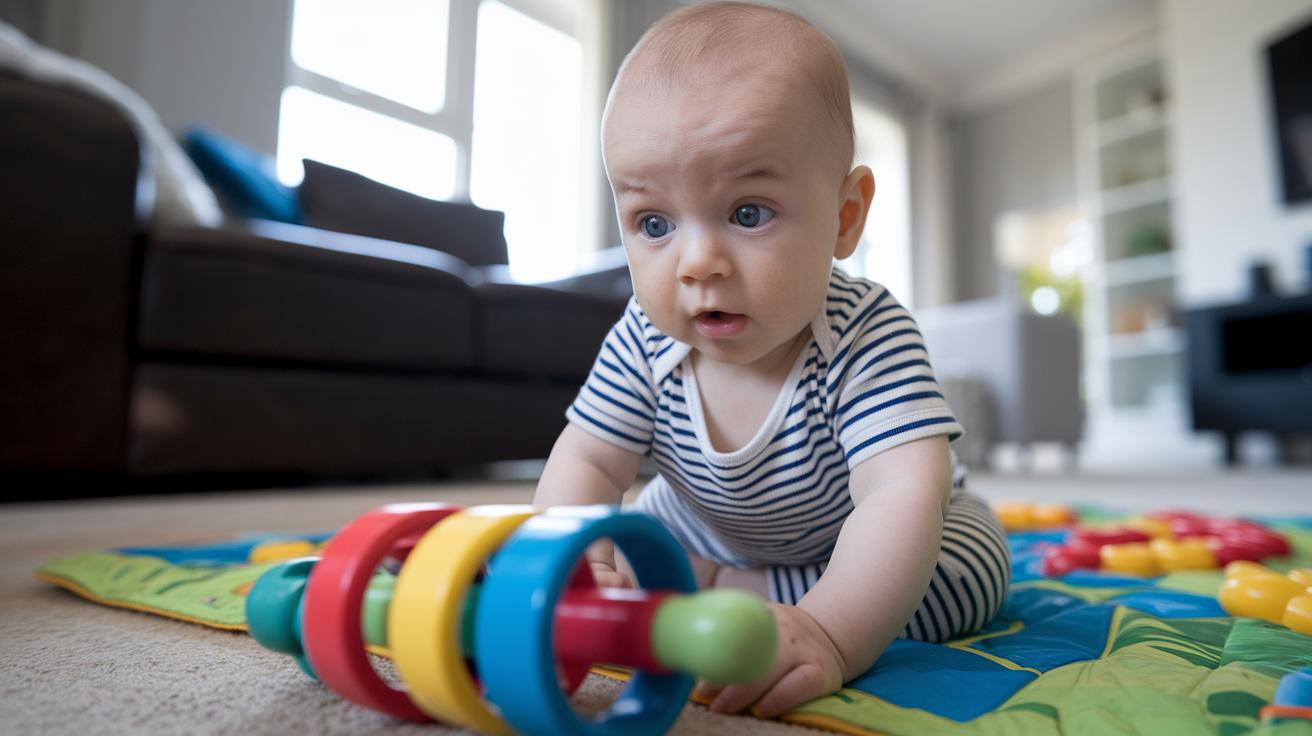
In the first few months, babies start noticing their world. They follow a moving toy with their eyes and recognize a familiar face. Think of a little one watching a gently swinging mobile – it's as if they're saying, "I see you!" Between 4 and 6 months, babies explore by putting objects in their mouths and fiddling with them. Imagine a tiny explorer examining a soft rattle with wide, curious eyes, learning about textures and shapes. By 7 to 9 months, they begin to understand that even hidden objects still exist. You might see your baby searching for a toy that's partly covered, a sweet sign of early problem-solving. And between 10 and 12 months, little ones start solving simple puzzles. For example, if you move a small cloth away, they might pull it back to find a toy, mimicking a familiar move they've seen before.
Social and Emotional Interaction Milestones
Social smiles start early, usually around 1 or 2 months, when your baby greets the world with a heartwarming grin. Between 3 and 6 months, laughter fills the room, imagine the joy during a game of peek-a-boo when your baby's face lights up. Then, from 6 to 9 months, you might notice some stranger anxiety along with a clear preference for familiar faces. This shows your baby is learning who makes them feel safe. By 9 to 12 months, interactive play really blossoms. Your little one might wave "bye-bye" or clap their hands when they see a friendly gesture, showing a delightful mix of social and cognitive growth. Every new moment is a precious discovery for both baby and caregiver.
Tracking Techniques and Developmental Warning Signs in the First Year
Keeping a simple journal or using a milestone app can be a wonderful way to remember your baby’s first moments. For instance, you might note something like, "At 3 months, I wasn’t seeing the bright smile I expected and there wasn’t much eye contact. It made me think of checking in with our pediatrician."
You can also try using a growth chart to track motor, language, and social skills every week or month. These charts give you a clear picture of how your baby is growing and changing over time.
Here are a few gentle warning signs to keep an eye on:
- 3 months: No social smile or very little eye contact
- 6 months: Weak head control or not trying to roll over
- 9 months: Can’t sit without help or isn’t babbling
- 12 months: No first words or not trying to pull up to stand
If you notice that any of these skills seem to be delayed for more than three months, it could be a good idea to talk with your pediatrician. Early help might make a big difference in supporting your baby’s motor, language, and thinking skills.
Taking a few moments each day to jot down these little milestones, even just a quick note in your pocket notebook, can really reassure you. In truth, tracking these small changes turns everyday moments into a clear story of your baby’s growth, helping you celebrate each exciting step along the way.
Best Practices to Support Infant First Year Milestones
Starting simple with daily routines is a wonderful way to help your baby grow physically, think more clearly, and feel emotionally secure. It all begins with little moments in a safe space that let your baby build strength and learn early skills.
Here are some friendly ideas you can try:
-
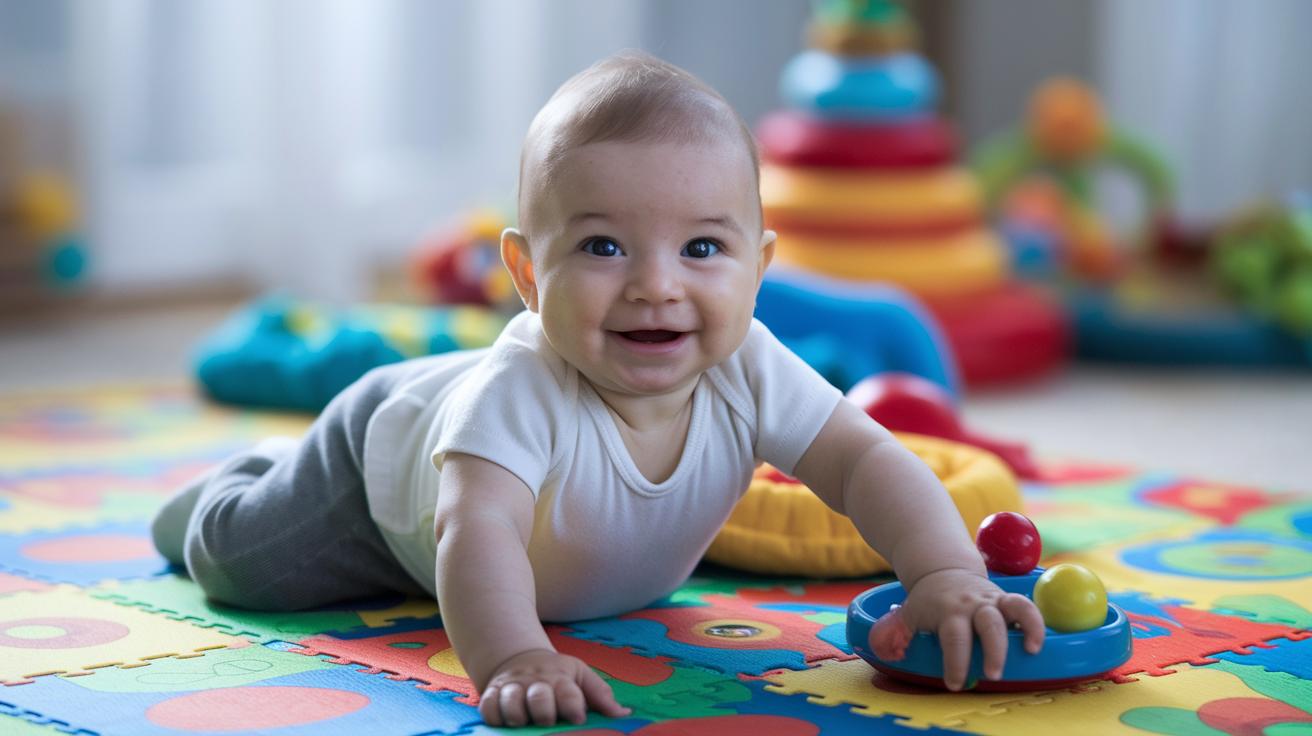
Tummy time from day one: Begin with just a few minutes a day and slowly work up to about 20 minutes by three months. This fun practice helps build head and neck muscles. Imagine your baby happily exploring the world around them during tummy time, noticing every new little detail.
-
Floor play with safe, colorful toys: Set up a soft area with a few engaging toys to encourage reaching, grasping, and eventually crawling. Picture your baby confidently exploring a small array of bright toys, curious and excited about every touch.
-
Chat and read aloud: Spend time talking and reading to your baby. Even simple back-and-forth cooing builds those early language skills and deepens your warm, nurturing bond.
-
Feeding support: Whether you are breastfeeding or using formula, keeping it exclusive for the first 6 months can be very helpful. Around 6 months, you can introduce iron-rich solids to boost overall growth.
-
Regular check-ups: Planning well-child visits at 1, 2, 4, 6, 9, and 12 months gives you extra comfort and helps track your baby’s progress as they reach these special milestones.
Final Words
In the action, this guide outlines month-by-month growth, from early reflexes to first steps. It captures motor progress, early language cues, social smiles, and thinking skills that make up typical infant first year milestones.
We talked about simple tracking methods and routines you can use every day. Enjoy watching your little one grow and reach these special markers with care and confidence.
FAQ
What are the milestones of a baby’s first year?
The milestones of a baby’s first year include early reflexes and social smiles in the first few months, rolling and babbling midyear, crawling and pulling to stand by 9 months, and first words and interactive play around their first birthday.
What are three red flags at 12 months?
The red flags at 12 months include the absence of first words, the baby not pulling to stand, and limited social interaction during playtime, which may suggest a need for further developmental evaluation.
What month is the hardest in the first year of infancy?
Many parents find the period between 4 and 6 months challenging as babies experience rapid changes in motor skills, language development, and sleep patterns, often leading to new care demands.
What are the milestones of a baby at 1 year?
A 1-year-old typically pulls to stand, cruises along furniture, says early words like “mama” or “dada,” and shows increasing social interaction, signaling steady progress in both movement and communication.