

Have you ever thought about how the food you eat might help your baby grow? This guide feels like a friendly chat, sharing easy ideas to help you feel great while giving your little one what they need. Imagine mixing fresh fruits, whole grains, and prenatal vitamins (care during pregnancy) into your everyday routine, while really listening to your body. With clear, simple tips and warm advice, these guidelines are here to support you on your journey to healthy, confident motherhood.
Evidence-Based Maternal Diet & Wellness Protocols

These guidelines are here to help moms feel their best and support their baby's growth during all nine months of pregnancy. They offer simple, clear steps on how to eat well and take care of yourself during your pregnancy (that means the time before your baby is born). Think of it as a helpful chat with a friend who cares.
Over the months, the plan suggests enjoying a mix of foods that give you energy and all the vitamins you need. For example, having just the right portions of whole grains, fruits, and vegetables, along with prenatal care vitamins (special vitamins for pregnancy), can really help keep your energy steady and your baby growing strong. It’s a plan that changes with you, fitting your needs as they shift over time.
Your friendly dietitians are here to guide you every step of the way. They help create a little checklist just for you, like remembering to drink enough water, enjoy balanced meals, move around a bit every day, and even choose smart snacks. And here’s a fun fact: even tiny, mindful changes can lift your mood and boost your health. This caring, evidence-based approach makes sure every mom gets the personalized support she needs for a healthier, happier pregnancy.
Core Macronutrients in Maternal Diet Planning
Pregnancy is a beautiful journey, and caring for yourself with a balanced mix of proteins, carbohydrates, and fats can help both you and your baby feel strong. Think of your meals as a warm, colorful palette that gently supports steady energy and builds the body you need during this special time.
Protein is like the building block that helps create new tissue for your little one. Experts recommend that protein should cover about 10-35% of your daily calories. Foods like lean meats, beans, or eggs not only boost your energy but also support your baby’s growth. Imagine starting your day with a cozy egg scramble that gives you a simple, hearty lift.
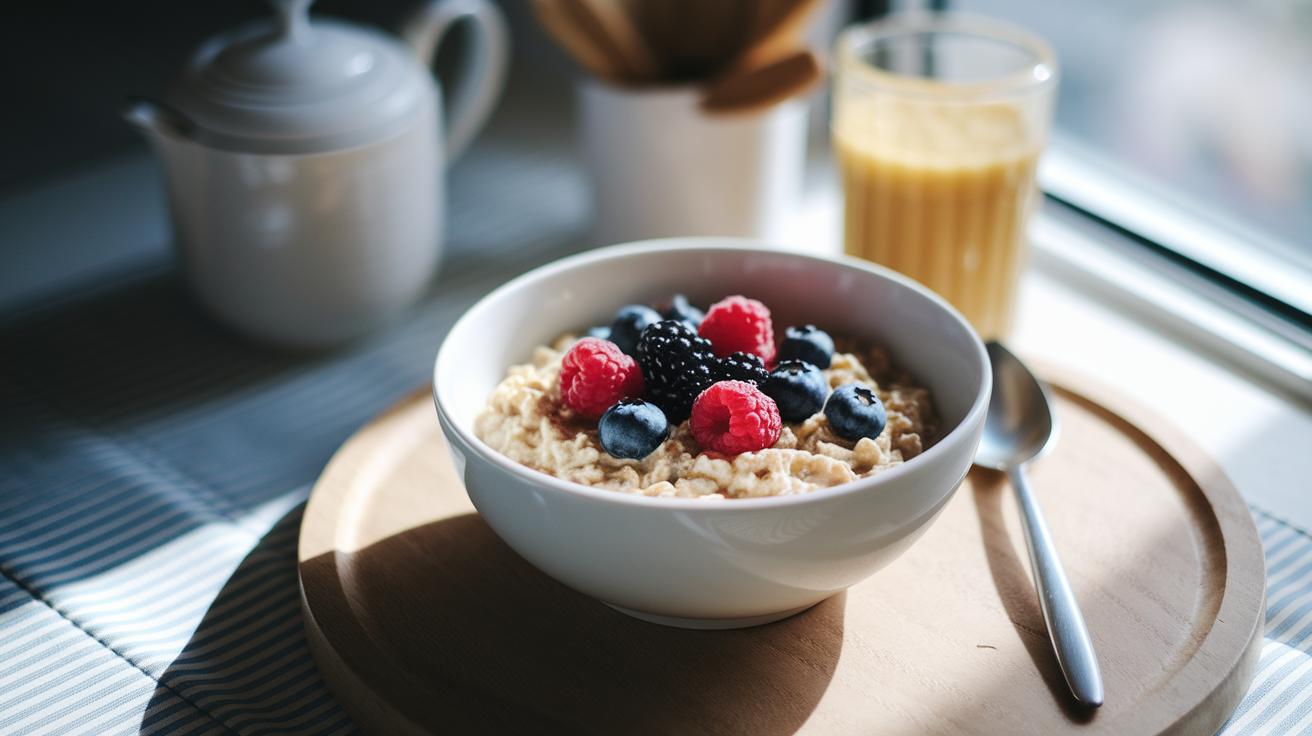
Carbohydrates play a big role in keeping your energy flowing and even help your baby’s brain develop just right. Whole grains, fruits, and vegetables release energy slowly over the day, keeping you refreshed. Picture a comforting bowl of oatmeal topped with fresh berries, it’s like a gentle hug for your body and mind.
Healthy fats, found in foods like fatty fish, nuts, and seeds, are also essential. They help balance hormones and support the developing brain of your baby, while also keeping you feeling well and nurtured. It’s amazing how these simple additions to your plate can make you feel so cared for during this important time.
Micronutrients Critical for Pregnancy & Postpartum Health

Vitamins and minerals are like little helpers in your meals, working hard to support you and your baby. They build strong bones, form essential tissues, and keep your energy up so you can enjoy each day. Paying attention to these nutrients is a simple way to care for your body during and after pregnancy.
When you're expecting or caring for a newborn, your body really benefits from a good mix of nutrients. Folic acid, for example, can lower the risk of neural tube defects. Iron keeps anemia at bay and helps your baby grow strong, while calcium is key for solid bones. And don’t forget about trace minerals like zinc, magnesium, and iodine, they help with enzyme work and keep your hormone balance in check.
| Micronutrient | Daily Amount & Role |
|---|---|
| Folic Acid | 400–800 mcg/day – supports neural tube development |
| Iron | 27 mg/day – prevents anemia and promotes healthy growth |
| Calcium | 1,000 mg/day – essential for strong bones and fetal development |
| Zinc | Important for enzyme function and a healthy immune system |
| Iodine | Key to hormone balance and proper brain development |
Eating a variety of nutrient-rich whole foods can make it easier to meet these targets. Try planning meals with leafy greens, lean proteins, dairy, and fortified foods. And if your healthcare provider suggests a supplement, it might be just the little boost you need. Remember, taking care of yourself with these simple steps can help you feel strong and ready for all the wonderful changes ahead.
Hydration & Digestive Wellness Practices

Staying well-hydrated is one of the simplest ways to care for your body while you’re expecting. Try to drink about 8–10 cups of fluids each day. Just picture yourself taking a refreshing sip of water after a light walk, it’s a gentle reminder to take care of yourself.
Eating foods rich in fiber can help you feel light and comfortable every day. Aim for 28 grams of fiber from fruits, veggies, and whole grains. Imagine starting your day with a warm bowl of oatmeal topped with fresh fruit, a meal that feels both cozy and good for your digestion.
Adding probiotics and some foods known for reducing inflammation to your meals can also ease any digestive discomfort. A small cup of yogurt or kefir can keep your gut happy, and a handful of berries or a bit of fatty fish can make your meal even more soothing. Think about a snack of yogurt mixed with berries, it’s not only tasty but also a little act of self-care.
Trimester-Focused Nutrition Strategies

When you're pregnant, little changes in what you eat can make a big difference for both you and your baby. Each trimester calls for its own focus, helping you get the right nutrients while keeping your energy up and easing any uncomfortable symptoms. Even small shifts in calories support your body's changes and nurture healthy growth.
First Trimester Nutrition
In those early weeks, you might only need about 85 extra calories a day. Since nausea can often pop up during this time, it helps to eat foods that are gentle on your tummy. Think about grabbing a small piece of fruit or a bit of whole grain cereal between meals. This easy approach helps you settle into your new eating habits without upsetting your stomach, all while giving your body a careful nudge toward a healthy weight gain of about 1–5 pounds.
Second Trimester Nutrition
Once you move into the second trimester, your body asks for roughly 285 extra calories every day. This is a great moment to build up strong bones and boost your blood health. Filling your plate with iron-rich leafy greens and lean proteins can help with this, and adding a bit of dairy or a fortified alternative gives you the calcium you need. These choices keep you energized and on track with a goal of about 1 pound of weight gain per week after the first trimester.
Third Trimester Nutrition
By the third trimester, you’ll need about 475 extra calories a day to keep up with your baby’s fast growth. Eating smaller, more frequent meals can help your tummy feel comfortable while keeping your energy steady. Focusing on balanced, nutrient-packed foods means you and your baby stay nourished as you prepare for the new changes ahead.
Supplementation Guidelines for Gestation & Lactation

Supplementation can be a caring ally during your pregnancy and as you ease into the postpartum phase. It helps fill the nutritional gaps in your diet by providing extra vitamins and minerals. These little boosts support your energy, keep your tissues healthy, and help nurture your baby's growth. A daily habit of mindful supplementation can make each day feel a bit more balanced and supported.
Key Prenatal Vitamins
Prenatal vitamins come specially made to help you and your baby by adding key nutrients that can be hard to get only from food. Usually, they include 400–800 mcg of folic acid (which lowers the risk of certain birth defects), 27 mg of iron to keep your blood healthy, 1,000 mg of calcium for strong bones, and 600 IU of vitamin D for a healthy immune system. Think of these nutrients as a team, working together to build a strong and nurturing base for your baby's development.
Lactation Supplements
Once your little one arrives, adjusting your supplements can still be really helpful. For moms who are breastfeeding, about 200–300 mg of DHA a day is often suggested to support your baby's brain and eye development. Adding a bit more B12 and calcium can also help you stay strong while you care for your baby. Combining these supplements with a balanced lifestyle can boost your comfort and energy during this busy time, making the transition into motherhood feel a bit smoother and more joyful.
Lifestyle Adjustments to Enhance Maternal Wellness

Trying out some gentle exercise during your week can be a fun boost of energy. You might set aside about 150 minutes for simple activities like a walk or a prenatal yoga class (a special yoga session for pregnancy). Picture yourself strolling through a park or joining a friendly yoga group, each step showing care for yourself.
Taking a few moments to focus on your breathing or a quiet meditation can help melt away a bit of daily stress. Even just a short pause during a busy afternoon can help balance your body’s natural rhythm and bring a touch of calm to your day.
Getting plenty of sleep is another nice way to feel better. Try to create a bedtime routine that gives you 7–9 hours of rest. Imagine winding down with dimmed lights and a favorite book, letting the night soothe your mind so tomorrow feels a bit brighter.
It also helps to plan your meals to suit your daily needs. Eating a small, healthy snack before a little exercise can keep your energy steady. Enjoying each bite turns mealtime into a caring moment that nourishes both body and soul.
Managing Common Maternal Discomforts Through Diet

Pregnancy can sometimes bring bouts of discomfort, but little changes in what you eat might help you feel better. For example, if you wake up feeling a bit sick, try nibbling on a few crackers or some dry cereal before you even get out of bed. And if you end up with heartburn after a meal, staying off your back for about three hours might make a world of difference. Adding about 28 grams of fiber a day from fruits, veggies, or whole grains can also help keep constipation away. And remember, it’s perfectly fine to enjoy a small treat now and then!
Here are some simple tips:
- Nausea: Have some crackers or dry cereal before getting up.
- Heartburn: Try to sit up for about three hours after eating.
- Constipation: Aim for 28 grams of fiber each day from healthy foods.
- Cravings: Enjoy your treats in small amounts.
These changes might seem small, but they can really make your day easier and help you feel more balanced. Just think of it like setting up your daily routine, each little tweak is a step toward feeling a bit more comfortable. Have you ever noticed how one simple change can brighten your day? Keep it relaxed, one step at a time, and know that you’re doing a great job taking care of yourself.
Sample Weekly Meal Plan for Pregnancy & Early Postpartum
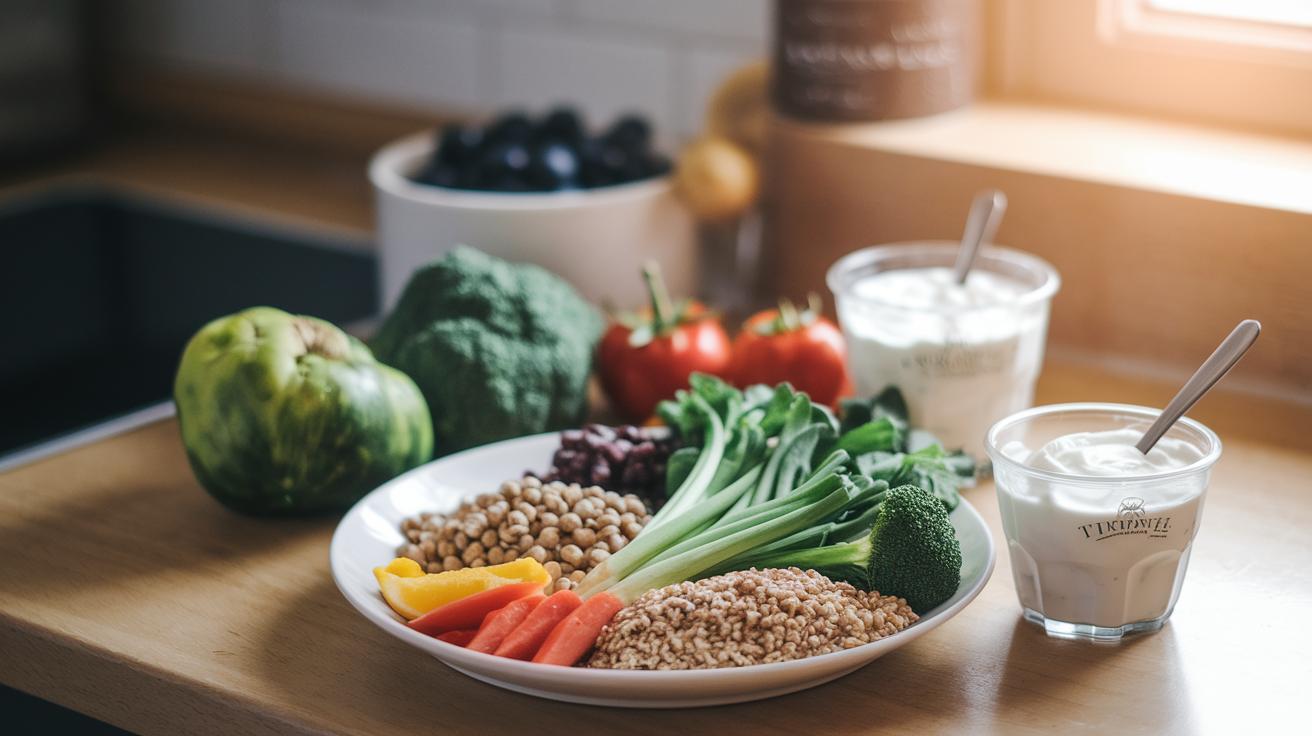
Planning your meals during pregnancy and early postpartum can be a gentle way to care for yourself and your baby. This plan is filled with fresh, seasonal produce and a mix of different food groups to give you steady energy throughout the day. We’ve built it around whole grains, lean proteins, and vibrant vegetables, with little boosts like Greek yogurt with berries or a homemade trail mix between meals.
Each day offers a comforting mix of warm breakfasts, hearty lunches, and satisfying dinners designed to support your changing needs. Seasonal ingredients bring in lots of vitamins and keep your meals interesting. And if you have a favorite food, feel free to swap it in, making the plan work for you is what matters most.
Think of this meal plan as your weekly helper, offering a simple guide to nourishing, easy-to-make dishes. The table below shows a seven-day menu with choices for breakfast, lunch, dinner, and snacks. Each day has thoughtfully balanced options to keep you energized at every moment. It’s a little act of care for yourself during this special time.
| Day | Breakfast | Lunch | Dinner | Snacks |
|---|---|---|---|---|
| Day 1 | Oatmeal with apple slices | Grilled chicken salad | Baked salmon with quinoa | Greek yogurt with berries |
| Day 2 | Whole grain toast with avocado | Vegetable soup and whole wheat roll | Stir-fried tofu with veggies | Homemade trail mix |
| Day 3 | Smoothie with spinach and banana | Turkey wrap with fresh veggies | Lean beef stew with brown rice | Carrot sticks with hummus |
| Day 4 | Scrambled eggs with whole grain toast | Quinoa salad with mixed greens | Grilled fish with steamed broccoli | Fruit salad |
| Day 5 | Yogurt parfait with granola | Bean salad with corn and peppers | Baked chicken with sweet potato | Nuts and dried fruit |
| Day 6 | Pancakes with fresh berries | Lentil soup with a side salad | Pasta with tomato-spinach sauce | Apple slices with peanut butter |
| Day 7 | Egg and veggie muffin | Salmon salad sandwich | Vegetable stir fry with brown rice | Sliced cucumber and cherry tomatoes |
Monitoring Weight & Safe Gestational Gain

Keeping an eye on your weight during pregnancy is really important, and the guidelines depend on your body mass index from before you got pregnant. For example, if your BMI was low, you might be aiming for a weight gain of 28 to 40 pounds. If you were in the normal range, 25 to 35 pounds is a common target, while if you’re carrying extra weight, about 15 to 25 pounds is usually advised. These numbers are little signals to help you and your provider make sure you’re staying healthy.
We suggest checking your weight just once a week, at about the same time each time. Imagine stepping on the scale every Monday morning – it gives you a clear look at how things are going without any added fuss.
If you notice your weight isn’t falling within that target range, don’t worry. A few small changes in what you eat and how much water you drink might do the trick. Adjusting your calories or upping your fluids a bit can gently guide you back on track, helping you feel good and full of energy every week of your pregnancy.
Final Words
In the action, the article takes us through evidence-based maternal diet and wellness protocols, balanced macronutrient plans, and key micronutrient needs that support both the mother and baby. It offers practical tips for hydration, managing everyday discomforts, and lifestyle adjustments, all backed by expert insights and assessments from registered dietitians. The guidance on safe weight gain and smart meal planning supports your journey using maternal diet and wellness guidelines. Stay empowered and keep nurturing your well-being every single day.
FAQ
What should a 1 to 3 month pregnancy diet chart include?
The 1 to 3 month pregnancy diet chart includes balanced meals with lean proteins, fruits, vegetables, and whole grains that support early fetal development and help manage common early-pregnancy symptoms.
What details are covered in the nutritional requirements during pregnancy PDF?
The nutritional requirements during pregnancy PDF outlines how much of key vitamins, minerals, and macronutrients you need, guiding you in making food choices that support both your health and your baby’s growth.
Which foods are advised to avoid during pregnancy?
Advice on pregnancy diet plans suggests avoiding high-mercury fish, raw or undercooked dishes, unpasteurized dairy, and heavily processed foods to minimize risks and support a safe, healthy pregnancy.
How important is nutrition during pregnancy?
Nutrition during pregnancy is crucial as it fuels both maternal health and fetal development. A balanced diet helps manage energy levels and supports a strong start for your growing baby.
What do standard dietary guidelines for pregnant mothers recommend?
Standard dietary guidelines for pregnant mothers recommend a balanced plan rich in macro- and micronutrients, gradual calorie increases by trimester, and careful food selections to support optimal health for you and your baby.
What is considered the best diet for a pregnant mother?
The best diet for a pregnant mother features a variety of nutrient-dense foods like fruits, vegetables, lean proteins, and whole grains, along with proper hydration and, if needed, supplements like prenatal care vitamins to boost overall wellness.


