Have you ever wondered what your very first prenatal (care during pregnancy) visit feels like? Picture sitting down for a warm conversation about your health and your baby’s future. In that cozy room, you’ll share your story and even get the magic moment of hearing your baby’s heartbeat for the very first time.
This visit is all about easing your early worries and helping you feel truly supported. You’ll meet a caring team ready to guide you through each check-up, step by step. It’s a gentle start to a fulfilling journey where every moment is filled with care and reassurance.
What to Expect at Your First Prenatal Visit
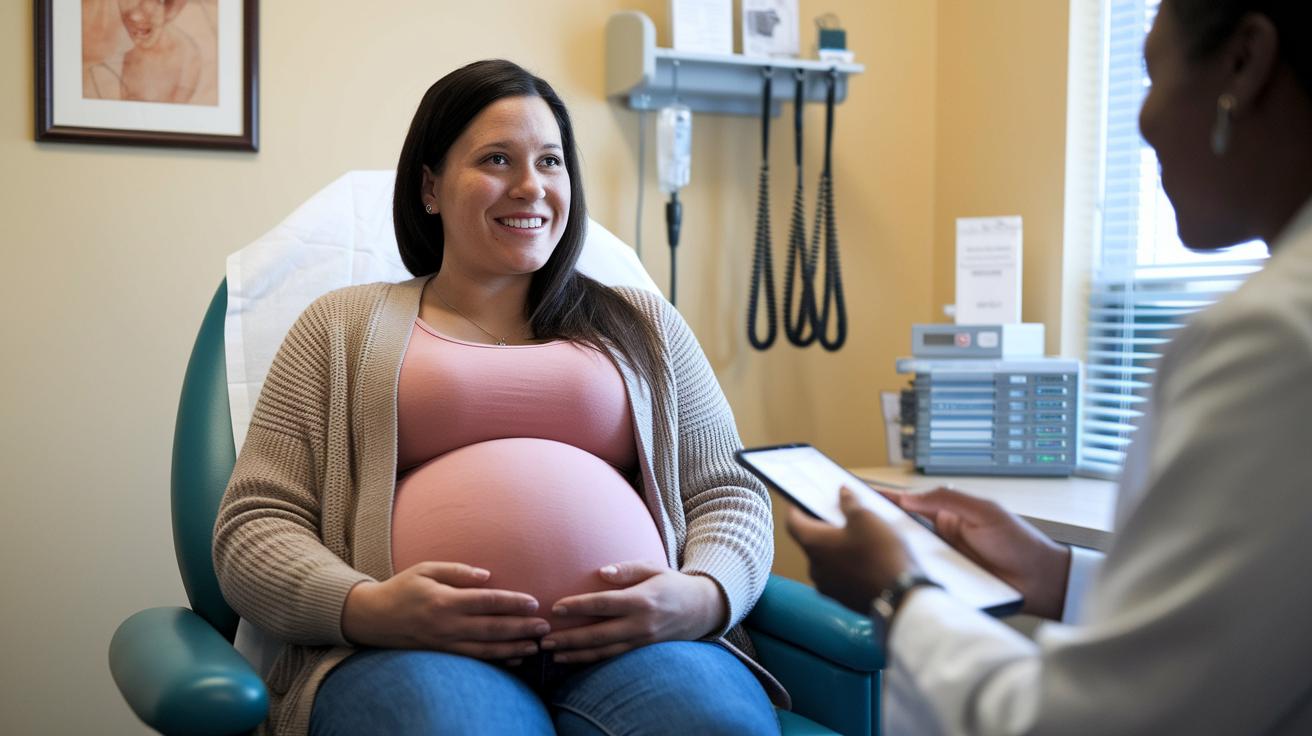
Your first prenatal visit, usually between 6 and 12 weeks, feels like stepping into a warm, caring conversation about your health and your baby's future. It’s a longer appointment than later checkups because your provider wants to get a complete picture of your past health, current medications, and family background, all in a relaxed, friendly way.
During this visit, they’ll check your vital signs, take your weight, and chat about the 40-week model that helps estimate your due date. Imagine the gentle excitement of possibly hearing your baby's heartbeat for the first time, a tiny rhythm that soon becomes part of your story.
The exam is a detailed look at how you and your baby are doing, and you might even schedule an ultrasound later in the first trimester to get a closer look. This meeting isn’t just about tests; it’s your introduction to the care team who will be with you every step of the way, helping to build a personalized plan that makes you feel supported and understood.
Scheduling and Preparing for Your First Prenatal Visit

Once you think you might be pregnant, it’s a good idea to book your first prenatal appointment, usually by eight weeks after your last period. Taking this early step not only eases your worries but also sets you up for many healthy check-ups down the road. And if you ever feel pelvic pain or notice any vaginal bleeding, please call your clinic right away!
Planning ahead really makes a difference. You can book your appointment online or by calling your provider’s office. For instance, check out this link for a prenatal care appointment: "prenatal care appointment" at https://womensconference.org?p=10892. Imagine that comforting mix of excitement and calm, knowing you are taking a positive step to care for both you and your baby.
Don’t forget to wear a two-piece outfit. This simple tip makes things easier during your exam because it lets you quickly adjust when needed. It’s also helpful to jot down the medications and supplements you’re currently taking so you can share that list with your provider. Inviting your partner along for support can really make you feel more at ease too.
Bring a few questions with you. This way, you’ll cover the topics that matter most to you and your growing family during your first visit. Take your time arranging these details, and trust that every little step is preparing you for the wonderful journey ahead.
Comprehensive Maternal Health Screening at Your First Prenatal Visit

Your doctor will begin by chatting with you about your full medical history, including details about your family and partner. This friendly review lays the groundwork for the important tests you'll have soon. It’s a moment to share any past health issues and worries in a warm, caring setting.
During this visit, you’ll have a few routine tests that help create a clear picture of both your health and your baby's. These tests include:
- Checking your blood type and Rh factor
- Running a complete blood count to see how your body is doing
- Screening for rubella immunity (to ensure you’re protected against some infections)
- Testing for HIV so that any issues can be found early
- Doing a urine culture to spot any potential infections
Your doctor will also talk you through starting an over-the-counter prenatal vitamin. This vitamin includes at least 400 mcg of folic acid and DHA, nutrients that help support your baby’s brain and eye growth. With all this useful information and your test results, you’ll feel sure about the care plan designed to give both you and your little one a healthy start.
Physical Exam and Ultrasound at Your First Prenatal Visit
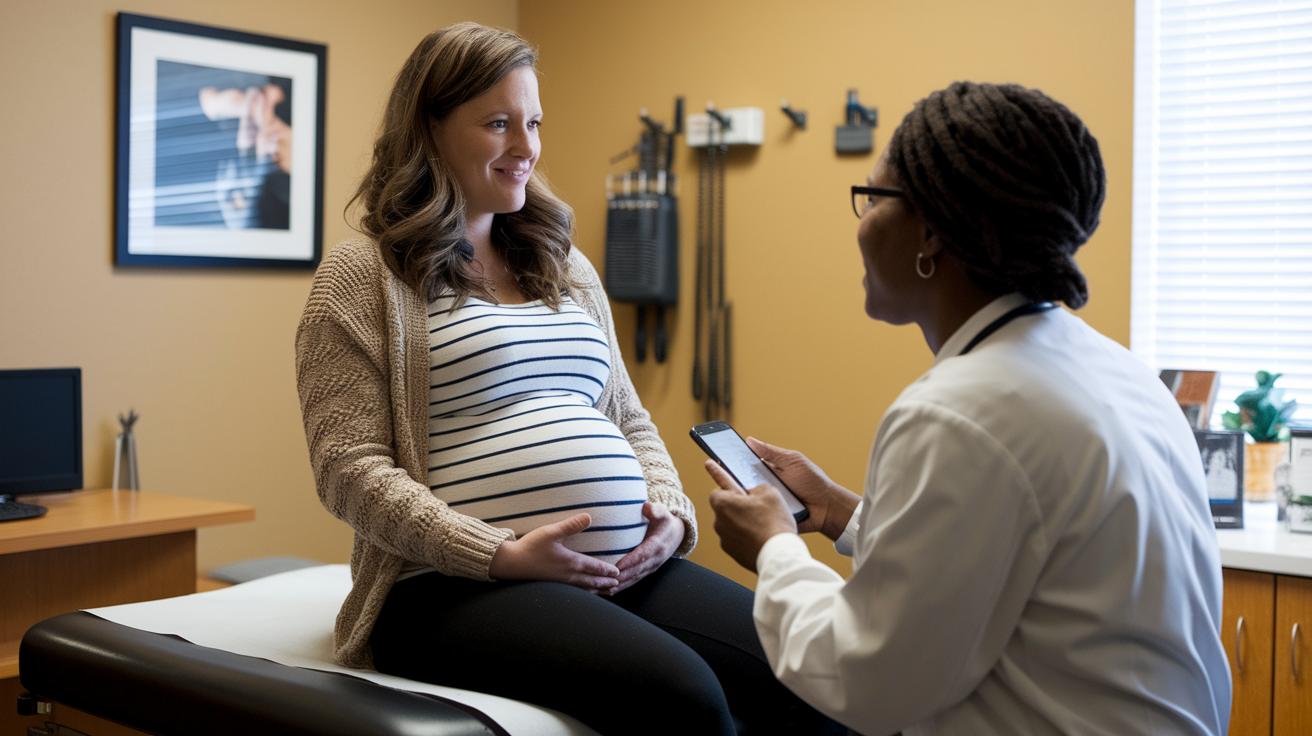
At your very first prenatal visit, your provider will perform a gentle physical exam to check on your overall health. They’ll measure your blood pressure, heart rate, and weight, and sometimes they’ll do a breast exam and a pelvic exam to make sure everything is set for you and your baby. Think of it as a friendly check-in, each little measurement is a reassuring sign of the care being woven around your growing family.
- Blood pressure, heart rate, and weight checks
- Breast and pelvic exams
After these initial tests, you might have an ultrasound appointment later in your first trimester. This is your first chance to see your little one on a screen. Imagine watching that tiny heartbeat flicker, it’s like a secret message that all is well. The ultrasound confirms that your baby is healthy, catches that first heartbeat, and helps estimate how far along you are. Even though the exact timing might depend on your clinic’s schedule, this special moment makes the idea of pregnancy feel even more real.
This early check-up, combining a hands-on exam with a heartfelt look via ultrasound, sets a warm and caring tone for all the support that will follow.
Crafting Your Consultation Questions Checklist for the First Prenatal Visit

Taking a few minutes before your appointment to jot down your questions can really help you feel calm and ready. Writing a little checklist makes sure you don’t forget any important details about your care and your baby’s health. For example, you might write, "What kinds of exercise are safe during early pregnancy (care during pregnancy)?" This simple step can bring a sense of comfort and clarity before chatting with your doctor.
Here are some sample questions you might consider:
- What should my diet and nutrition look like during pregnancy?
- Which exercise routines or activities are best for me?
- Are there any work or travel precautions I should be aware of?
- What genetic screening options can we explore?
- Which medications or supplements should I avoid or change?
- What warning signs should prompt me to call you?
- How can I prepare for breastfeeding?
- What postpartum support services do you recommend?
Lifestyle and Nutrition After Your First Prenatal Visit

After your first prenatal visit, you might feel excited to make little changes that make a big difference. Start with a good prenatal vitamin that has at least 400 mcg of folic acid and DHA. These nutrients help support your baby’s brain and eye development while giving you a strong nutritional start.
Eating well is really important too. Try to enjoy a mix of fruits, vegetables, lean proteins, and whole grains every day. It’s a bit like putting together a favorite meal where every piece counts. Each bite helps support your body as it works hard during pregnancy.
Drinking enough water is a simple, effective habit as well. Sipping water throughout the day does more than stop your thirst, it keeps your body’s processes humming along and helps you feel energetic.
Taking time for gentle exercise, like a short walk or a class of prenatal yoga, can really boost your strength. And a little movement can help ease stress too. You might also try deep breathing or enjoy a quiet moment with a warm cup of tea. These little habits help keep your mind calm and lower stress, making you feel both physically and mentally well.
Next Steps After the First Prenatal Visit: Scheduling Follow-Ups

After your first checkup, it’s time to plan your next visits. You’ll usually see your doctor every four weeks until you hit 28 weeks. Then, as your baby grows, your appointments will be every two weeks until about 36 weeks, and after that, you’ll have weekly visits until delivery. This routine keeps both you and your little one safe and well-monitored.
It’s a good idea to ask if the same provider will guide you through your labor and delivery or if you'll meet someone new along the way. You might also want to check on the timing of your next ultrasound or any genetic screenings that might be on the schedule.
If anything changes or if you have a concern, you can always talk about adjusting the appointments. These questions help ensure that you feel secure and well-prepared as you move forward.
Remember, every step you take is part of the journey to a healthy and joyful experience for both you and your baby.
Final Words
In the action, the first prenatal visit sets the stage for building a strong, caring plan for you and your baby. We touched on scheduling early appointments, preparing handy checklists, and the hands-on exams that give a clear picture of your health. You also learned about nutrition, gentle lifestyle tweaks, and planning those follow-up visits. This guide helps gather clarity and calm, so you can feel confident and supported every step of the way. Stay positive, each step brings you closer to a nurturing and joyful experience.
FAQ
Is 12 weeks too late for the first prenatal visit, and are 7 or 10 weeks acceptable?
Most providers recommend an initial visit between 6 and 12 weeks. Visits at 7, 10, or even 12 weeks work well for setting up your care.
Should your husband come to the first prenatal visit?
Inviting your husband can provide extra support. He can help listen, ask questions, and share the experience with you.
What should the schedule for my first prenatal visit look like?
You should schedule your visit as soon as pregnancy is suspected, ideally between 6 and 12 weeks. These appointments often offer thorough exams and discussions.
What is included in a first prenatal visit checklist?
Bring your current medications, supplement list, and any questions you have. Also, wear a two-piece outfit for easier access during the exam.
Can I eat before my first prenatal visit?
You can usually eat before your first prenatal visit unless your doctor has advised fasting for specific lab tests.
How do I find a first prenatal visit near me?
Search for nearby clinics or contact your primary care provider for a referral to quality prenatal care in your area.
What happens at your first prenatal visit?
Your provider will review your health history, check vital signs, discuss tests, and may set up an ultrasound to estimate your due date.
Do they do a pap smear at the first prenatal visit?
Sometimes a pap smear is performed if needed. It depends on your personal health history and your provider’s evaluation.