
Have you ever noticed that your body might seem a bit unfamiliar after your baby arrives? It can feel odd and even a little frustrating sometimes.
The early weeks give you a quiet space to help heal both your body and your mind. Try out some gentle steps from our easy 5-5-5 plan and light, soothing movement.
These friendly tips are here to support you, celebrate every bit of progress, and remind you that joyful healing is possible during this special time.
Essential Postpartum Recovery Tips for Body and Mind

Recovering after having a baby is a very personal journey, and no two stories are the same. How quickly you heal can depend on many things, like if you had a natural birth or a surgical one, and how healthy you were overall.
Here are some friendly ideas to help you feel better:
- Try the 5-5-5 plan: Think of it as five days where you rest a lot in bed, five days where you relax more comfortably, and five days where you start moving around a bit, all to help your body mend.
- Drink plenty of water throughout your day. Staying hydrated really makes a difference.
- Once your doctor gives you the green light, begin with gentle movements like short walks to help keep your blood flowing.
- Check in with yourself. Set aside some time to read, listen to soft music, or even try a little meditation to help calm your mind.
- Rely on your family and friends. Their support and understanding can be a big boost during this time.
- Enjoy a diet full of colorful fruits, vegetables, whole grains, lean proteins, and good fats to help your body repair itself.
- Remember, it’s all about your own progress. Try not to compare your journey with anyone else’s; every mom’s path is unique.
- And before you mix in any new exercises or changes to your routine, have a quick chat with your healthcare provider.
It’s completely okay if you need to tweak these steps a bit to make them work for you. Listening to your body and giving yourself the care you need is the first step toward a gentle, full recovery. Have you ever noticed how even small changes can brighten your day? Trust your feelings, take it one step at a time, and don’t hesitate to reach out to your doctor if something doesn’t feel right.
Postnatal Nutrition and Supplementation for Faster Recovery

After you’ve had your baby, eating a balanced diet really helps your body mend and gives you the energy to tackle your day. The good vitamins and minerals work together to repair your tissues and power you through your daily activities. A mix of fruits, vegetables, whole grains, lean proteins, and healthy fats not only brings in the nutrients you need but also boosts your overall recovery. And don’t forget to drink plenty of water, it helps your body get the hydration it needs to heal. If you’re breastfeeding, these balanced meals can also help you keep a steady milk supply while keeping you energized.
| Food Group | Recommendation |
|---|---|
| Fruits | 2-3 servings daily for vitamins and fiber |
| Vegetables | 3-4 servings daily to supply antioxidants |
| Whole Grains | 1-2 servings daily for energy and fiber |
| Lean Proteins | 2-3 servings daily to support tissue repair |
| Healthy Fats | Include sources like avocado and nuts for lasting energy |
Before you add any new supplements like iron, calcium, vitamin D, or omega-3 fatty acids, it’s a great idea to chat with your healthcare provider. They can help tailor your nutrition so your body heals just the way you need it to.
Postpartum Pelvic Floor Exercises and Gentle Workouts

After childbirth, easing back into movement can really boost your strength and soothe both your body and mind. It’s like a gentle nudge that helps ease soreness and builds up your energy, step by step.
Pelvic floor exercises, often called Kegels, work wonders for helping with bladder control and tightening the muscles around your vagina. Start by tightening the muscles you’d use to stop your urine flow, hold this feeling for about five counts, and then let go. Try doing 10 of these, a few times during your day. As you grow stronger, you can hold them a bit longer or add a few extra repetitions. Keeping up with these exercises is key to seeing steady progress.
Pairing these exercises with gentle workouts like postpartum yoga or light walks can make a big difference. Begin with short sessions, just a few days a week. This not only boosts your circulation, but also eases back tension. Adding in some mild stretching can help with discomfort and even improve your posture. Over time, as your body adjusts, you can slowly lengthen your workout sessions. And always listen to your body, take your time, and let it guide you back into a joyful, gentle recovery.
Healing After Delivery: C-Section and Vaginal Recovery Care

Vaginal Recovery Tips
In the first few weeks after giving birth, it's normal to feel some soreness, swelling, and notice a steady flow of lochia. Start by using cool ice packs in the first 24 hours to ease the swelling and discomfort. After that, try a gentle sitz bath for about 20 minutes three to four times a day to soothe the area. If you're experiencing hemorrhoid pain, using witch hazel pads can really help, but stick to unscented, mild products so you don't irritate your skin. Listen to your body during this time, treat it as you would a tender flower needing a little extra care. Many moms find starting with a cool compress and then a warm sitz bath feels just right, like settling into a calming evening routine.
C-Section Incision Care Guidelines
If you had a c-section, taking good care of your incision is very important. Keep the area clean and dry, and change any dressings as your healthcare provider advises. Watch out for signs of infection, like more redness, swelling, or any unusual discharge. Wearing loose clothing can help prevent irritation while you heal, and gentle movements will protect your stitches. Think of it like tending a small garden, giving it the extra care it needs for strong and steady recovery. Every careful step helps your body heal and reminds you that you’re supported every step of the way.
Managing Postpartum Mental Health and Emotional Recovery Tips

Mindfulness and Self-Care Practices
Taking care of your mind is really important during your recovery. Every day, try to set aside a few quiet minutes just for you. Maybe you could listen to a guided meditation or use the 4-7-8 breathing exercise, breathe in for four seconds, hold for seven, and exhale for eight. Sometimes, writing down your feelings or making a list of three little things you're thankful for can brighten your mood. These simple habits help ease stress and let you celebrate even the small wins.
Building a Support System
Feeling connected can make a big difference when you're recovering. Look for local mom groups or online communities where you can share how you feel and listen to other moms. Even a short chat with a friend or partner can lift your spirits. And if things ever feel too heavy, consider talking with a counselor or visiting a maternal wellness center. Remember, you’re not alone in this journey. Leaning on people who care can bring moments of calm and help you feel more supported as you heal.
Postnatal Sleep Recovery Strategies and Rest Guidelines

Getting enough sleep is important for your recovery after giving birth. A quiet, cozy sleep space helps your body heal and boosts your mood. Napping when your baby naps not only gives you a little energy boost but also helps your body mend itself. There’s even a gentle approach called the 5-5-5 rule – basically, it means spending five days mainly resting on your back, five days trying different positions on your bed, and five days simply resting around your bed. It might sound a bit unusual, but every little bit of sleep really does count in these early weeks.
Creating a soothing spot to sleep can make a big difference. Try to set up a quiet, dark room where you can relax without being disturbed. Sharing nighttime feedings or baby care with a partner or caregiver can take some pressure off, helping you get more uninterrupted rest. And sometimes, small touches like a comfy pillow or soft bedding can really help you settle in and let your body recover.
Creating a Personalized Postnatal Recovery Checklist and Timeline
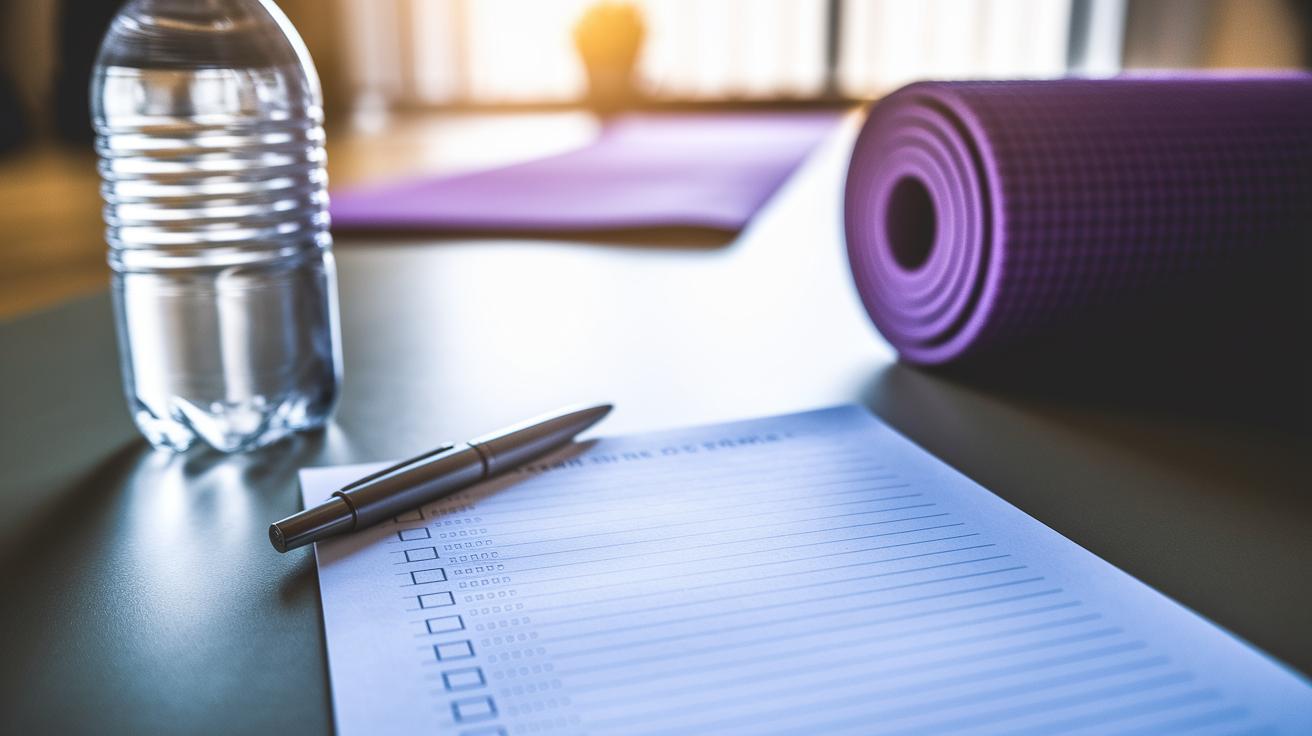
Creating a clear timeline with a handy checklist can really simplify your recovery journey by breaking it down into small, doable goals. Plus, having a plan makes it easier to notice progress, both in your body and your mood.
During the first couple of weeks, most of your energy is best spent on healing. It’s a perfect time to set small targets like staying well-hydrated, easing into gentle exercises, and even enjoying sitz baths to ease any discomfort. Keep an eye on how much pain you feel, how well you’re moving, and how feeding is going. These simple checks help you see if you might need a little extra care. Honestly, focusing on rest and some gradual movement builds a strong foundation for what’s ahead.
As you move into Weeks 3 to 6, you might notice a mix of emotions along with your physical improvements. Now’s a great moment to add a few mental health check-ins to your list. Monitor your mood and energy, and keep up with light activities as you slowly rebuild your strength. Tracking these details week-by-week not only helps you adjust along the way, but it also lets you celebrate each little win, even on days that feel tougher than others.
Then, when your 6-week postpartum checkup arrives, take the opportunity to review your journey so far. It’s a special milestone to reflect on your progress and to recommit to caring for yourself in the long run.
Final Words
In the action of caring for your body and mind, these postpartum recovery tips remind you that healing takes time and gentle care. The article touched on self-care, easy exercise ideas, proper nutrition, and sleep strategies to support both physical healing and emotional well-being.
Each small step builds a stronger foundation. Keep making choices that suit your unique needs and celebrate your progress every day. Stay positive and take heart knowing that every mindful moment brings renewed energy and hope.
FAQ
What are some recommended postpartum recovery tips week by week?
The weekly postpartum recovery tips break recovery into phases. In early weeks, focus on rest, hydration, gentle movement, and self-care, then gradually reintroduce light activities as your body heals.
What are some postpartum recovery tips after a C-section?
The C-section recovery tips emphasize caring for your incision, resting well, using gentle walking when cleared by a provider, and maintaining proper nutrition and hydration to support healing.
What are things not to do after giving birth?
The advice after birth suggests avoiding heavy lifting, strenuous exercise, and skipping rest. Following safe recovery guidelines and your provider’s instructions helps promote proper healing.
How should you care for and tighten your vagina after giving birth?
The care guidance for your vagina after birth includes gentle perineal cleaning with warm water and using sitz baths, while gentle pelvic floor exercises like Kegels help improve muscle tone.
What does proper postpartum care include?
Proper postpartum care includes supporting physical and emotional recovery by balancing rest, nutrition, gentle exercise, and follow-up visits with your healthcare provider for personalized guidance.
How long does it take for your body to go back to normal after birth?
Postpartum physical healing often takes about 6–8 weeks, but achieving hormonal and emotional balance can take several months, as each body recovers at its own pace.
Is it true it takes 2 years to recover from pregnancy?
While physical healing may complete within weeks, some women experience ongoing recovery in strength, mood, and energy levels for up to two years, making each recovery journey unique.
What helps recover faster after giving birth?
Faster recovery after birth is supported by plenty of rest, balanced nutrition, gentle movement, and structured rest rules like the 5-5-5 guideline, along with support from loved ones and professionals.
What is the 5-5-5 rule for postpartum?
The 5-5-5 rule for postpartum provides structured rest by dedicating five days in bed, five days on the bed, and five days moving around the bed, helping guide gradual recovery.
What are the 4 T’s of postpartum?
The 4 T’s of postpartum care often refer to taking time to rest, trusting your body’s healing process, practicing tender self-care, and leaning on your support network for a balanced recovery.
How long should you rest after giving birth?
Post-birth rest varies by person, but many experts recommend ample sleep and minimal strain in the early weeks, with ongoing periods of rest to help your body heal effectively.