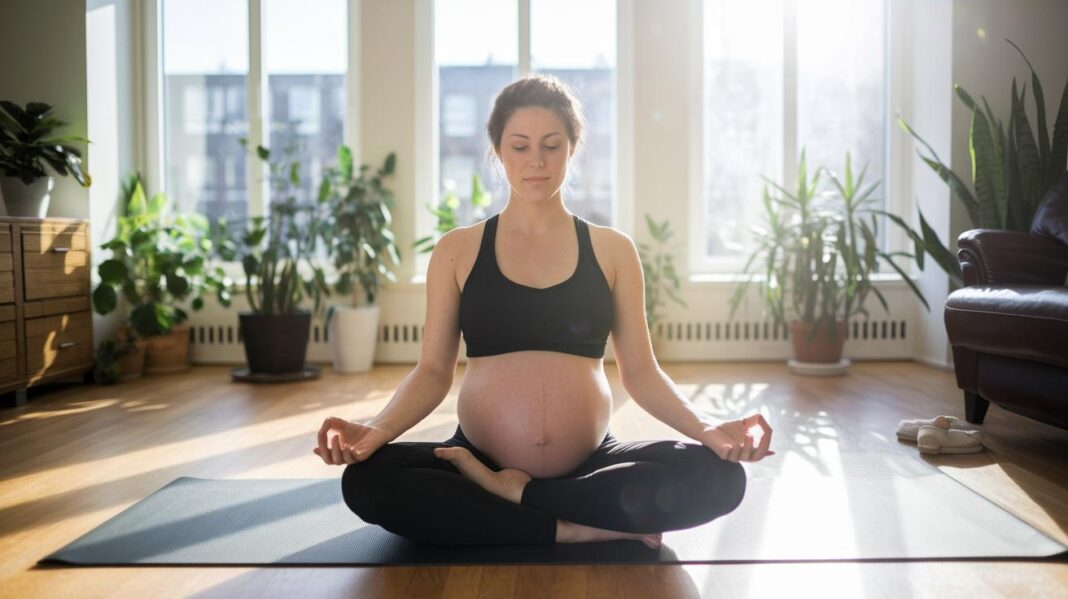
Have you ever noticed how a little gentle movement can change how you feel when you're pregnant? Yoga might be the perfect pick for you. It’s more than just stretching; it helps you build strength, clear your mind, and ease the changes happening in your body. Many moms say that a few mindful poses really help balance stress and boost energy. In truth, practicing yoga is like giving your body and soul a warm hug, getting you ready for labor and setting a caring tone for the wonderful days ahead.
Core Benefits of Yoga for Maternal Wellness
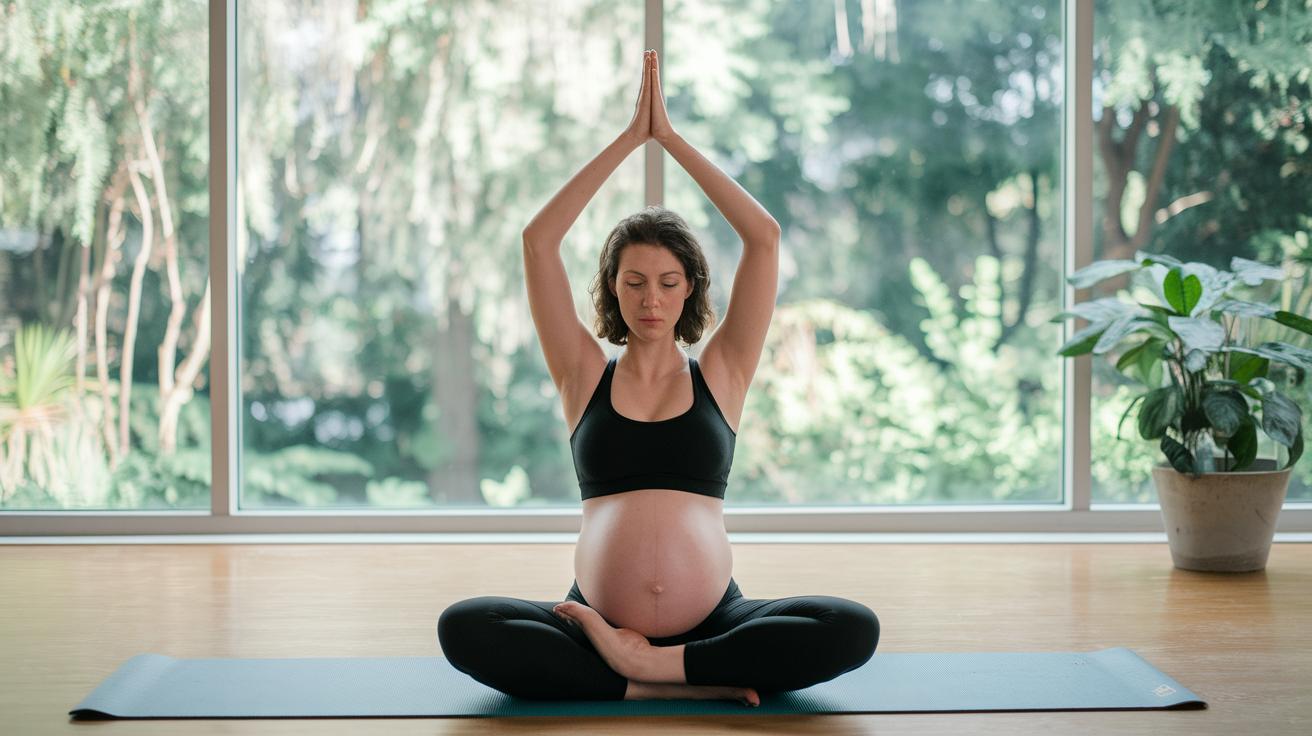
Prenatal yoga is a gentle way to care for your body and mind while you're expecting. It helps you stay flexible and build core strength with mindful movements and simple stretches. Many moms find that practicing yoga builds a calm routine that preps the body for labor and eases physical tension during those special months.
Yoga is also a great tool to ease stress and keep your emotions balanced. Its calming techniques help soothe anxiety and give you a little boost of energy when you need it most. By lowering blood pressure and balancing stress hormones, yoga supports both physical health and a positive outlook through pregnancy.
- It helps lower blood pressure and stress hormones.
- Gentle stretching relieves muscle tension.
- Building core strength supports your body for labor.
- Mindful breathing brings calm and peace.
- It improves flexibility as your body changes.
- Yoga can lift your mood and boost your energy.
These physical and emotional benefits make prenatal yoga a strong support system for maternal wellness. Many moms share that they feel more prepared and resilient for childbirth. With each session, it’s like your body and spirit are getting in sync, setting a warm, nurturing tone not only for labor but also for the new chapter ahead.
Essential Prenatal Yoga Poses for Maternal Wellness
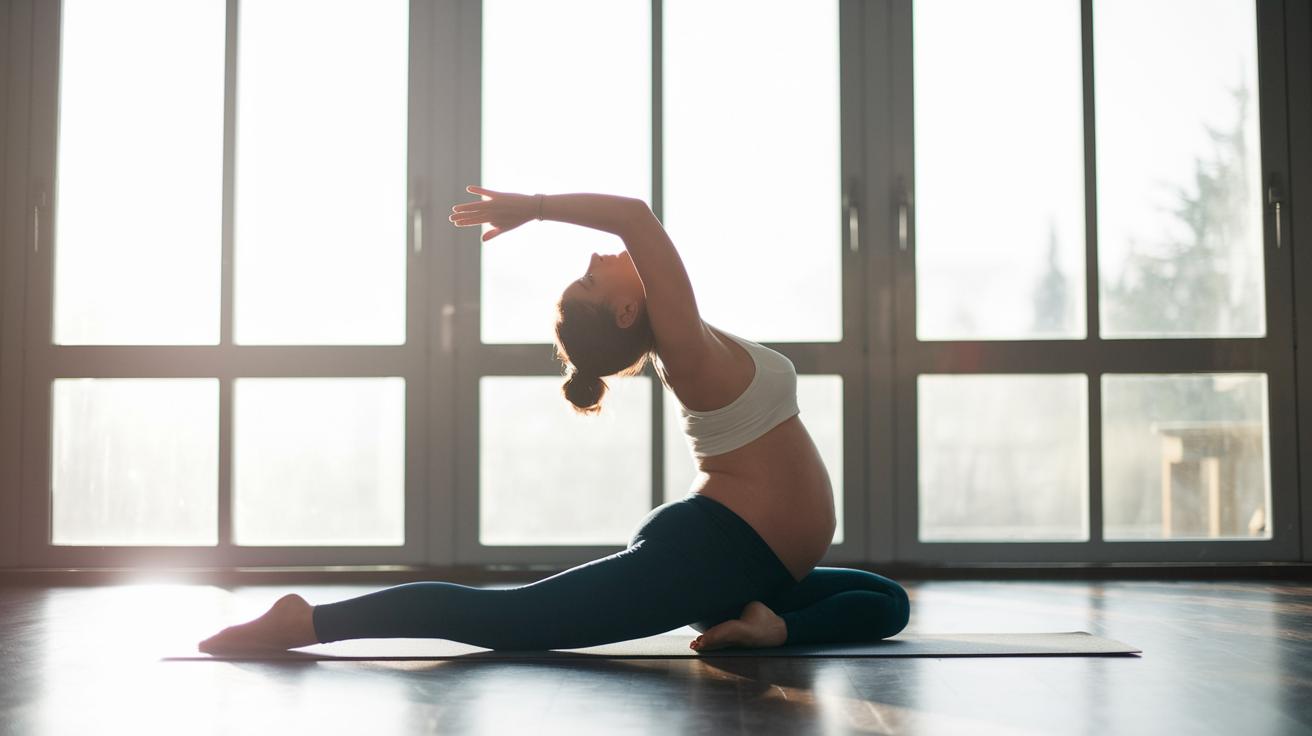
Pregnancy brings many changes to your body, so it’s important to adjust each yoga pose so you stay safe and comfortable. Your teacher may suggest softer moves if you have pelvic girdle pain or gestational diabetes. These little changes help you build strength in your core, improve balance, and feel supported as you go through these months.
Cat-Cow Pose
This gentle move warms up your spine and eases tension, much like a cozy stretch for your back. As you progress in your pregnancy, try slowing down the transitions and keeping the movements smaller to feel just right.
Warrior II
Warrior II is all about building strong legs and staying steady, like a firm foundation under your feet. If your body feels a bit tired, you might try a shorter stance or even use a chair for a bit of extra help.
Tree Pose
Tree Pose helps you find your balance and keep focus, much like rooting yourself in calm during a busy day. If you're feeling a little wobbly, try keeping your foot lower on your standing leg or lightly press your hand against a wall for support.
Child's Pose
Child's Pose is a resting position that soothes your back and hips. Think of it as a little break for your body, using a bolster or pillow can make it even more comfortable as you relax into the stretch.
Seated Forward Bend
This stretch is great for calming your mind and easing tension in your back. When you're further along in your pregnancy, keeping your knees bent a bit and using a supportive prop can help you enjoy the pose without any strain.
Bridge Pose
Bridge Pose strengthens your core and helps keep your pelvis in the right place. If you start to feel any discomfort, try not to push too hard into the arch; a gentler version can be just as effective.
Remember to keep your spine neutral and your shoulders relaxed through each movement. It’s those small details that help make your practice safe and nurturing, so you can enjoy every moment of this special time.
Research-Backed Support: Yoga’s Role in Maternal Wellness
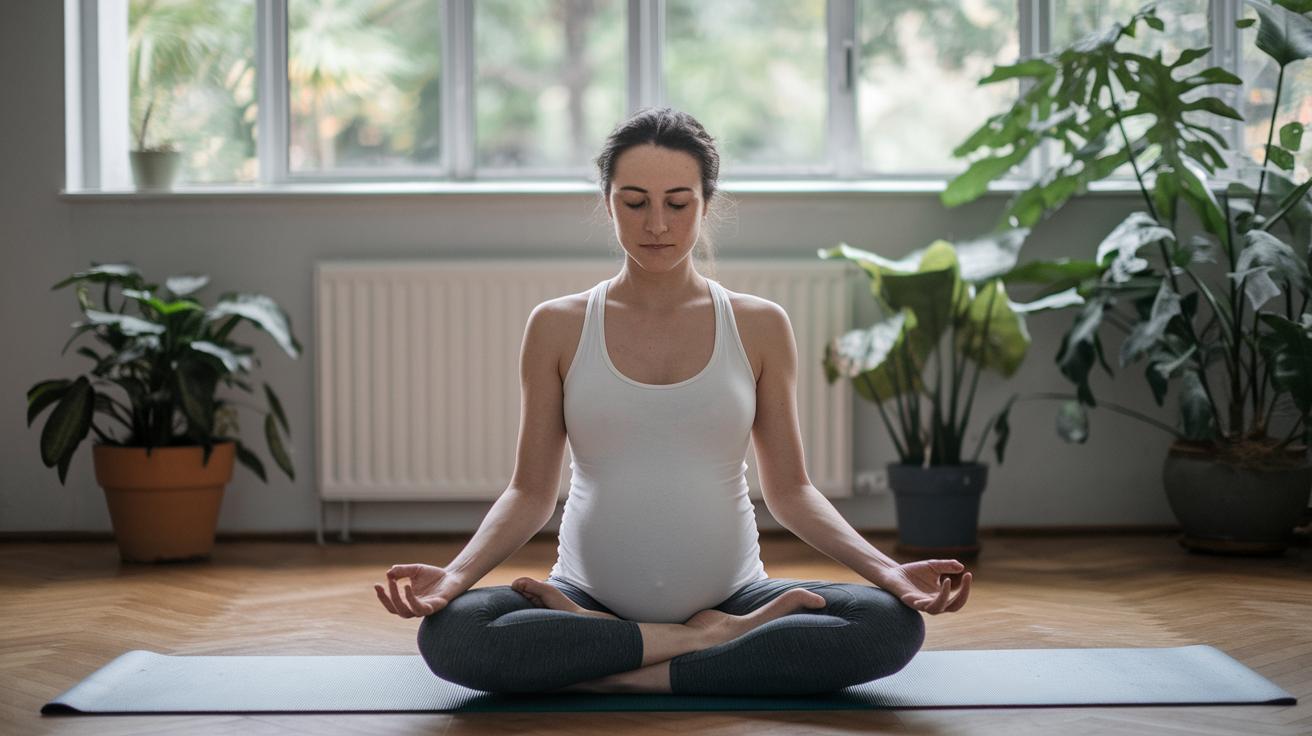
Research shows that yoga during pregnancy can really support both moms and their babies. One study from a Dublin university found that a structured yoga program during pregnancy helped moms build strength and even led to fewer cesarean births. It’s a gentle, low-impact way to prepare your body and mind, which can help make labor feel more natural.
For example, regular yoga sessions have been tied to lower cesarean rates. Practicing yoga builds strength and endurance, giving you more power during labor. Some evidence even hints that yoga might help shorten labor time by getting your body and mind ready for the big day. And quite a few moms say they feel less anxious and need less pain relief when they stick with a yoga routine.
Even though these findings are promising, there’s still more to learn. Experts are exploring the best routines, timings, and specific poses that give the most benefit. New plans are being tested to see how they might further reduce reliance on pain relief and boost overall health for moms and babies. All this research points us toward safer and more supportive practices during pregnancy.
Postpartum Recovery: Yoga for Continued Maternal Wellness
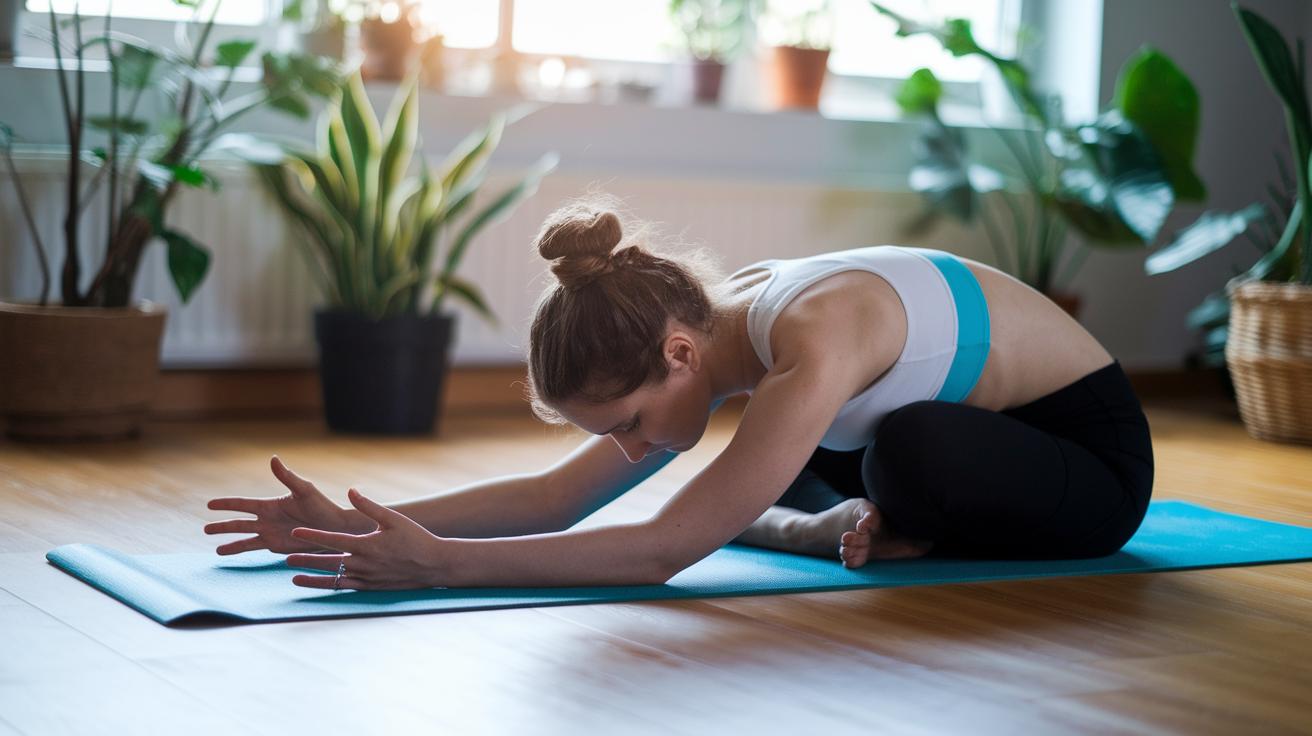
Starting a gentle yoga routine after 6 to 8 weeks of giving birth can really help your body heal at its own pace. This time is perfect for building back strength in your belly and pelvic floor muscles. Gentle stretches help ease tight muscles and calm your mind, making each session feel like a little moment of self-care.
- Child's Pose – Hold for 30 seconds and do it twice to help ease tension in your back and hips.
- Cat-Cow Variation – Try 10 slow, mindful moves over a minute or two to smooth out your spine and invite relaxation.
- Bridge Pose – Do 10 gentle lifts in two sets to wake up your pelvic floor and core muscles.
- Pelvic Tilts – Complete 10 reps for three sets to quietly engage your deep abs and boost stability.
- Supine Leg Stretch – Hold each side for 20 to 30 seconds, repeating twice, to ease lower back tightness and support your overall recovery.
It’s important to listen to your body during postpartum recovery. If a pose ever feels uncomfortable, give yourself permission to adjust it or take extra rest. Taking it slow and tuning in to your needs will help you feel balanced and strong as you continue to recover.
Practical Strategies for Integrating Yoga into Maternal Wellness Routines
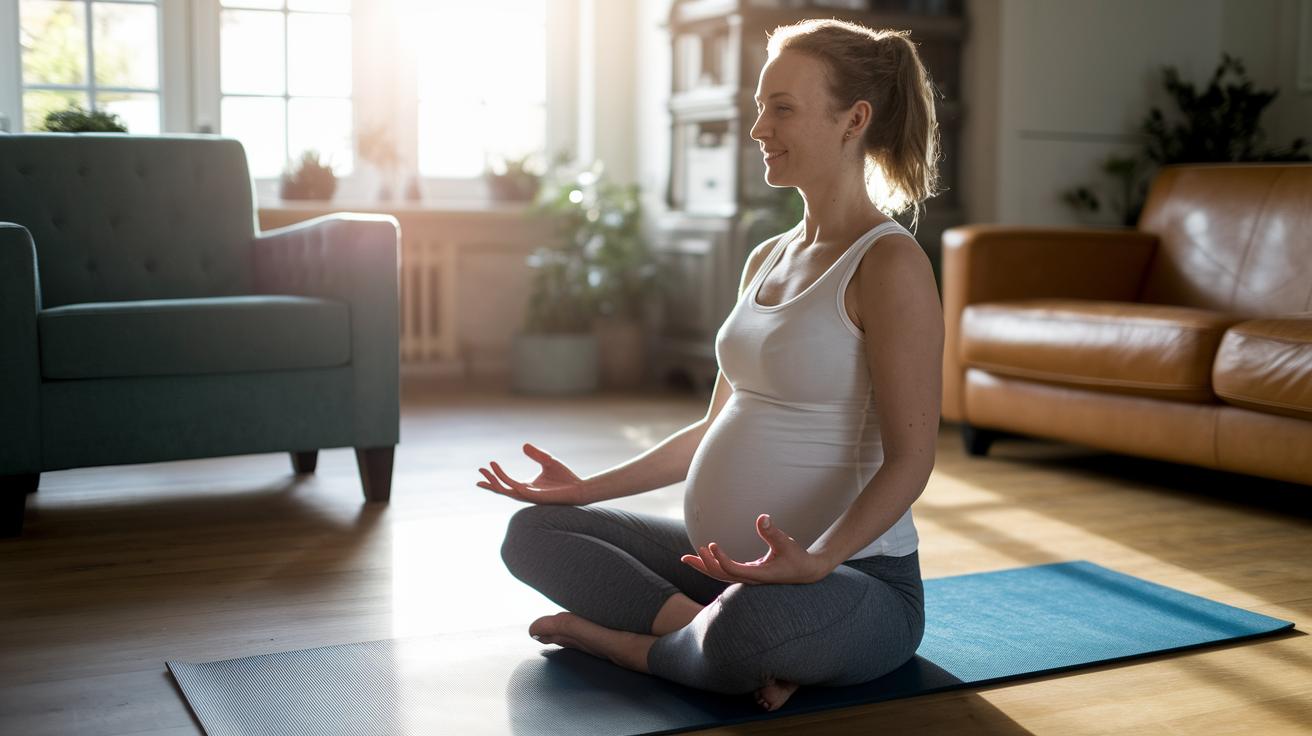
Starting a simple yoga routine can help you feel calm and strong during your pregnancy. Regular yoga sessions can make you feel more relaxed and build the strength you need for your upcoming labor. Many moms have found peace and trust in their bodies by joining yoga classes, free local events, or gentle birth preparation sessions. When you set aside time for yoga, you create a comforting habit that supports both your body and your feelings.
- Look for a knowledgeable instructor who creates safe exercise plans for pregnancy.
- Try to have 2–3 sessions each week, whether you join in-person classes or follow online sessions.
- Check out local workshops and community events for new ways to move and feel better during pregnancy.
- Create a quiet, comfy space at home with a good yoga mat and any props that help you relax.
A little tip: blend in some gentle breathing exercises during your daily routine, like while you’re making a cup of tea. This small break can help calm your mind and body, making you feel balanced and ready for what comes next.
Real-Life Stories: Yoga Transformations in Maternal Wellness
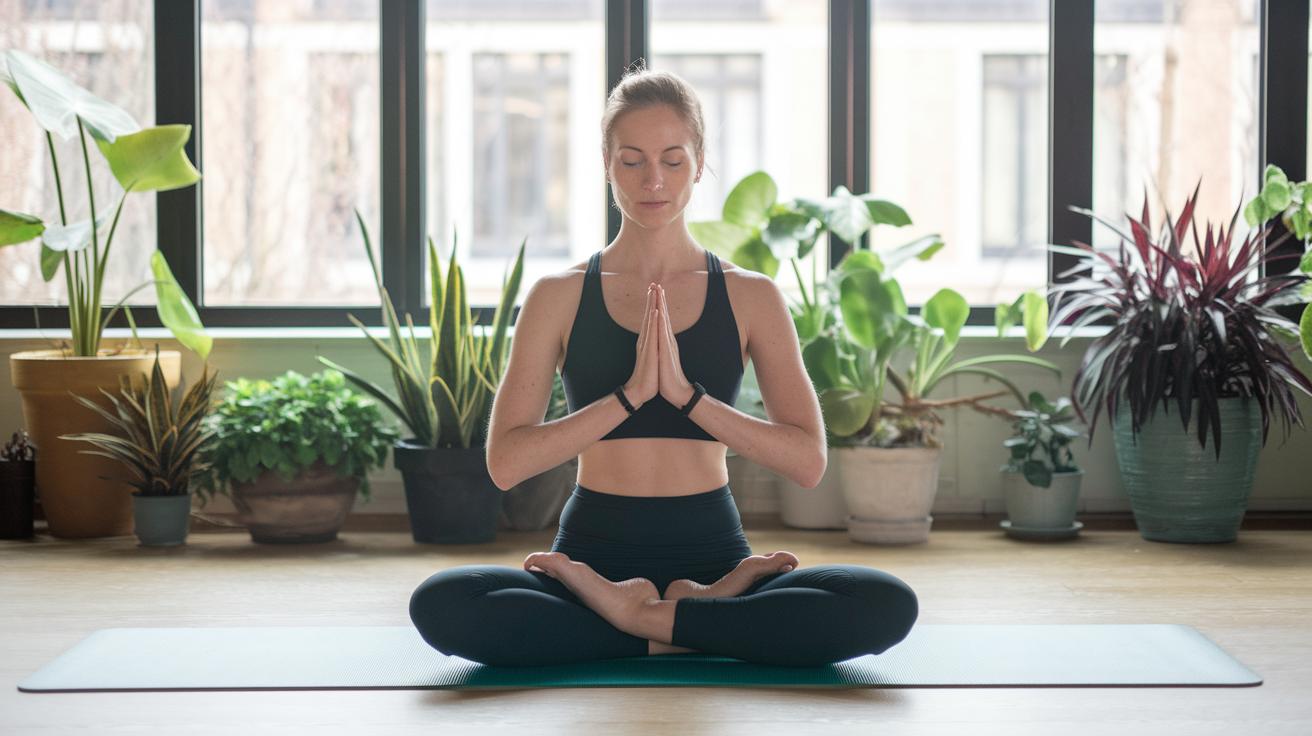
I met a yoga teacher who started practicing more than 13 years ago. She discovered a special passion for teaching pregnancy yoga classes twice a week. Her own pregnancy became so much easier as she learned gentle moves that helped ease her worries about giving birth. She once said, "When I felt overwhelmed, a simple yoga session reminded me that my body is capable and wise." It was her willingness to try new things that helped calm her mind and get her body ready for labor.
Her journey with pregnancy yoga became more than a routine; it turned into a well of inner strength. By practicing regularly, she found a balanced calm that boosted her confidence for labor. This routine not only eased her anxiety but also led to a natural and empowered birth. Her story continues to inspire other moms to seek comfort and inner peace through mindful exercises.
Final Words
In the action, our discussion explored how yoga supports maternal wellness by centering both body and mind. We shared quick insights into gentle prenatal poses, soothing postpartum practices, and research-backed benefits. Each section offered practical tips and inspiring real-life stories to remind you that every step counts. The blog outlines a clear path to integrating mindful movement and stress relief into daily routines. Let these ideas spark a sense of confidence, guiding you to a nurturing practice that truly uplifts your health and well-being.
FAQ
How does yoga support maternal wellness?
The way yoga supports maternal wellness is by boosting flexibility, reducing stress, and enhancing strength. It creates a calm atmosphere that benefits both physical and emotional balance during pregnancy.
What are the benefits of prenatal yoga for the baby, labor, and childbirth?
Prenatal yoga offers benefits like lowering stress levels, preparing the body for the demands of labor, and improving blood flow. These changes can lead to a smoother labor and a nurturing environment for the baby.
How can yoga be safely modified during early pregnancy?
Yoga can be safely modified during early pregnancy by focusing on gentle stretches and avoiding deep twists or intense inversions. These adaptations help manage posture and support the body’s changes without overexertion.
How do I start practicing yoga when pregnant?
Beginning a yoga practice when pregnant involves choosing beginner-friendly routines guided by experienced instructors. Whether through community classes or trusted online videos, it’s about creating a safe space that eases you into mindful movement.
How can yoga help with postpartum recovery and easing depression?
Postpartum yoga uses gentle stretches and core-strengthening moves to rebuild physical strength. The calming routines help ease emotional stress and support recovery from postpartum depression, making the transition smoother for new moms.
Where can I find a PDF on how yoga supports maternal wellness?
A PDF on this topic typically offers a concise guide showcasing research-backed benefits, safe prenatal poses, and practical yoga routines. It provides expert advice that can help you integrate yoga into your maternal wellness plan.