Have you ever thought that a warm sitz bath might ease some of your postpartum pain? Imagine sinking into warm water that feels like a gentle hug for those sensitive spots (the areas that feel sore after delivery). Many moms say this simple soak helps ease irritation, reduce swelling, and calm those lingering aches.
In this conversation, we explore how a sitz bath can be a caring way to support your recovery. It’s a gentle self-care tip that brings comfort when you need it most. Let's discover how a few minutes in warm water might renew your sense of well-being and help you feel a bit better today.
Getting Started with Sitz Bath for Postpartum Recovery

A sitz bath is a gentle water soak that focuses on your perineum, the area between your vagina and rectum. It helps boost blood flow and provides a soothing touch for minor pain, irritation, and swelling after childbirth. This warm, calming bath not only cleanses the sensitive area but also helps ease discomfort from wiping with toilet paper. It can support the healing of perineal tears or cuts made during delivery, and even relieve the burning symptoms of hemorrhoids that some moms face.
Imagine sinking into a warm, inviting bath that wraps your perineum in gentle care. It’s like giving yourself a quiet moment of relief after a busy day. This soothing soak can make you feel renewed and help improve blood flow, setting the stage for natural healing.
Using a sitz bath is a kind way to care for yourself during early recovery. Its gentle warmth and cleansing effect ease swelling and itchiness, while also adding a comforting touch to your daily self-care routine. After the challenges of childbirth, this simple practice can bring a welcoming sense of relaxation and relief.
sitz bath for postpartum recovery: Renew & Refresh
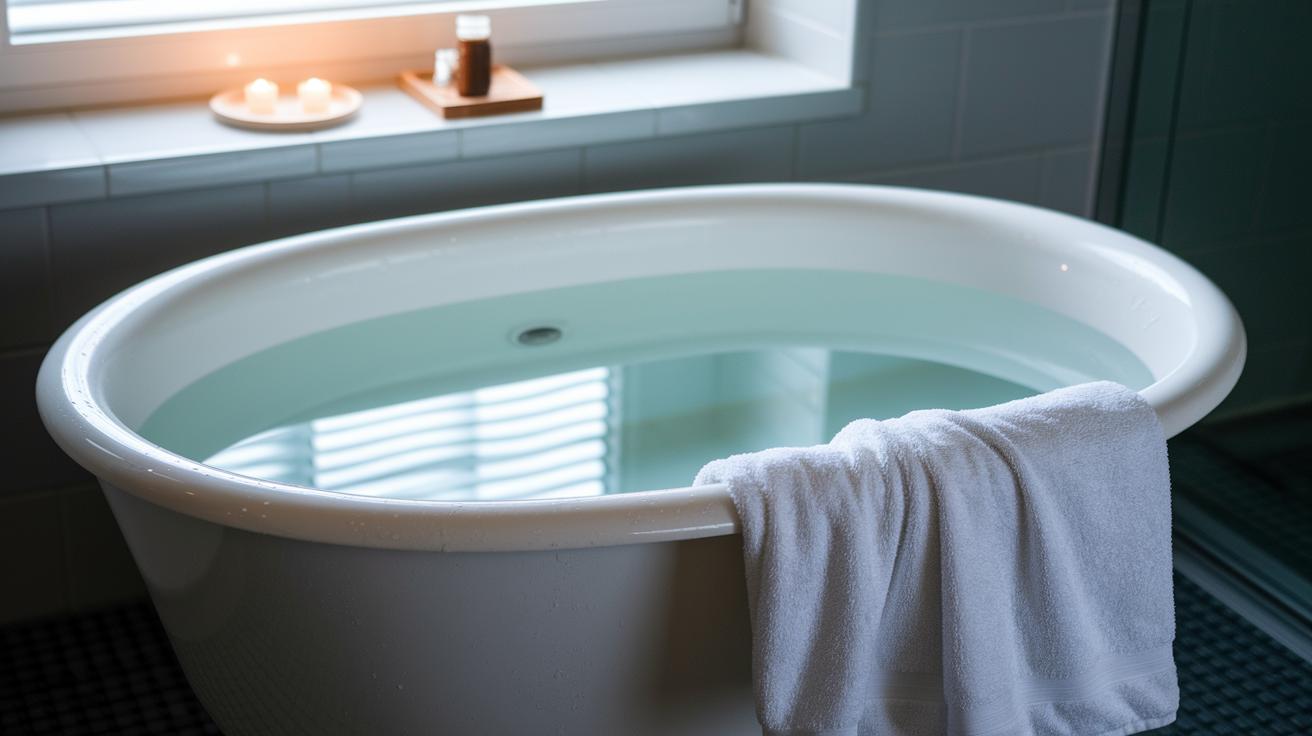
First, take your tub or sitz kit and clean it well with gentle soap and hot water. Imagine treating it like a quiet retreat, where every surface is fresh and ready to soothe you.
Next, fill the tub (or kit) with about 3–4 inches of warm water, keeping it close to your body temperature (97–99°F). Dip your wrist to be sure the water feels just right, it’s like taking a small sip of comfort before your soak.
Now, decide which method works best for you. You can use a toilet-mounted sitz tub or fill your bathtub to create a shallow pool. If you’re using the kit, make sure it’s securely placed on your toilet seat. If you’re looking for extra relaxation, arrange your setup so you can comfortably recline.
Sit in the water for about 10–15 minutes if you’re using the toilet-mounted method. If you’re enjoying a bathtub soak, let yourself relax even longer. Think of it as a warm embrace that eases your discomfort and helps your body settle down.
When you’re finished, gently pat the area dry with a clean cotton towel. Patting softly is key, it helps you avoid any irritation.
Finally, take a moment to check in with yourself. Reflect on how you feel and consider any small changes for your next bath. This is your special time for self-care, a moment to nurture your body and support your healing journey.
Ingredients and Additives for Effective Sitz Baths
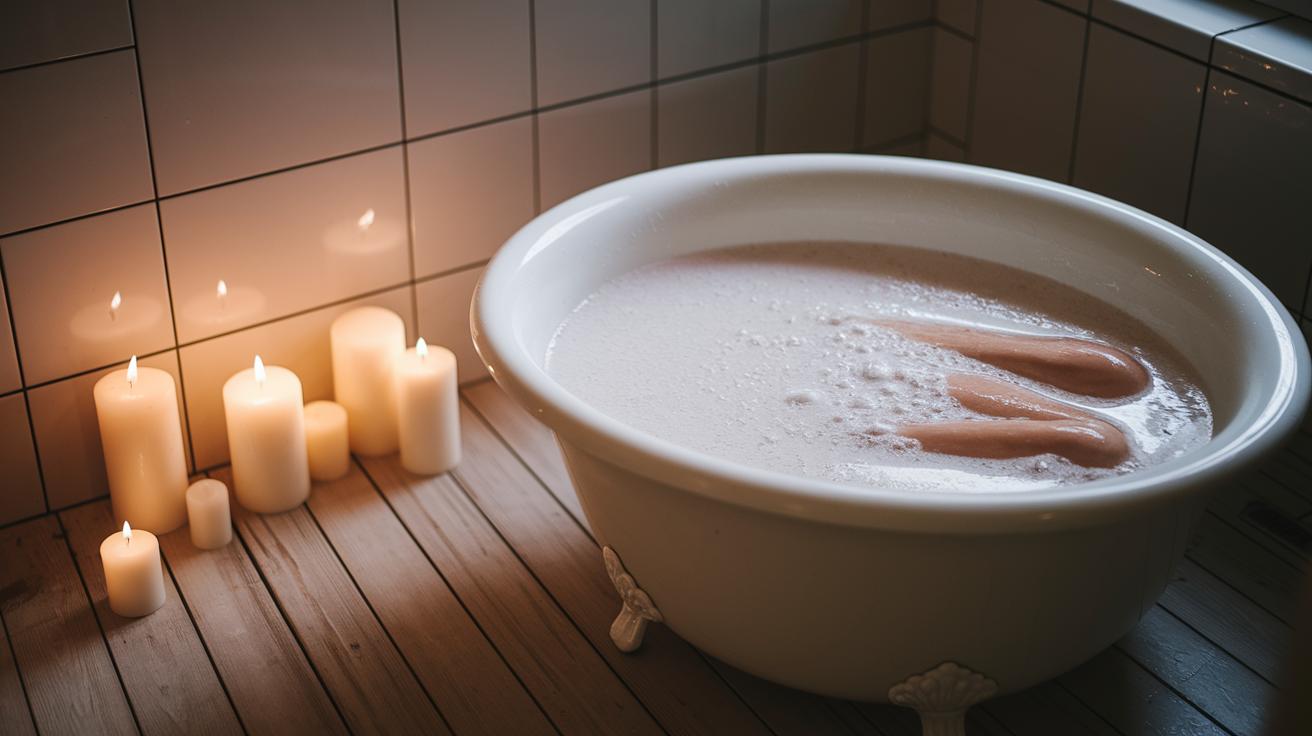
Sometimes a simple soak in warm water feels just right, but adding a few extra ingredients can make your sitz bath even more comforting. Think of it as giving yourself a little extra love during your recovery. For example, stir in about 1 cup of Epsom salt (magnesium sulfate, which helps reduce inflammation) to boost the soothing effect. It’s like adding a gentle reminder that a little extra care can do wonders.
There are other options too. Table salt may help with a basic cleanse, but it doesn’t have the same calming benefits as Epsom salt. If you're experiencing itching, a splash of baking soda might help, but it’s a good idea to check with your provider first. You can also try a few drops of herbal remedies like witch hazel or calendula, just be sure to do a quick patch test to see if your skin likes it.
• Use about 1 cup of Epsom salt for best results.
• Consult your provider before using baking soda or herbal additives.
Sitz Bath Safety Guidelines and Aftercare for Postnatal Comfort
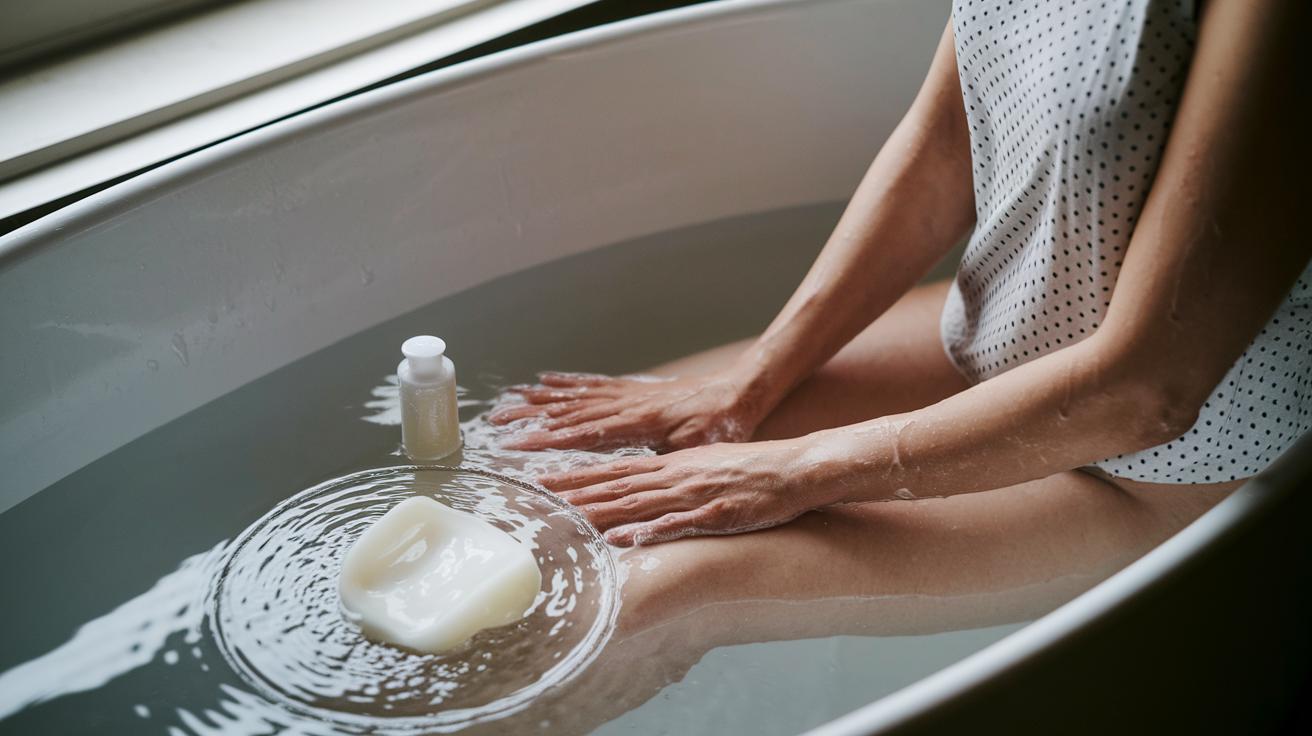
After you’ve had your baby, give yourself at least 24 hours before taking a sitz bath. If you have any stitches in your perineal area or notice signs of infection, check with your healthcare provider first. This small pause helps protect your healing process.
Make sure your bath water feels just right, not too hot or too cool. Test a small drop on your wrist to get a feel for the temperature; aim for around 97–99°F. A gentle, warm bath can soothe your skin without causing irritation, so always keep your comfort in mind.
Before you begin each time, take a moment to wash your tub or sitz kit with warm water and a gentle soap. This helps remove any germs, ensuring your bath remains safe and clean. Rinsing well afterward leaves you ready for a fresh and relaxing soak.
After your bath, gently pat the perineal area dry with a clean cotton towel. Avoid rubbing too hard to steer clear of any discomfort. Stick with your daily routine until you notice the pain, itching, or swelling starting to fade, you might be surprised how consistent care makes a big difference.
If you’re looking for more ways to care for yourself after childbirth, consider exploring additional postpartum recovery tips at WomensConference.org. These safety steps can offer you comfort and support a smooth, natural healing process.
Sitz Bath Kit vs. DIY Tub Method for Postpartum Relief
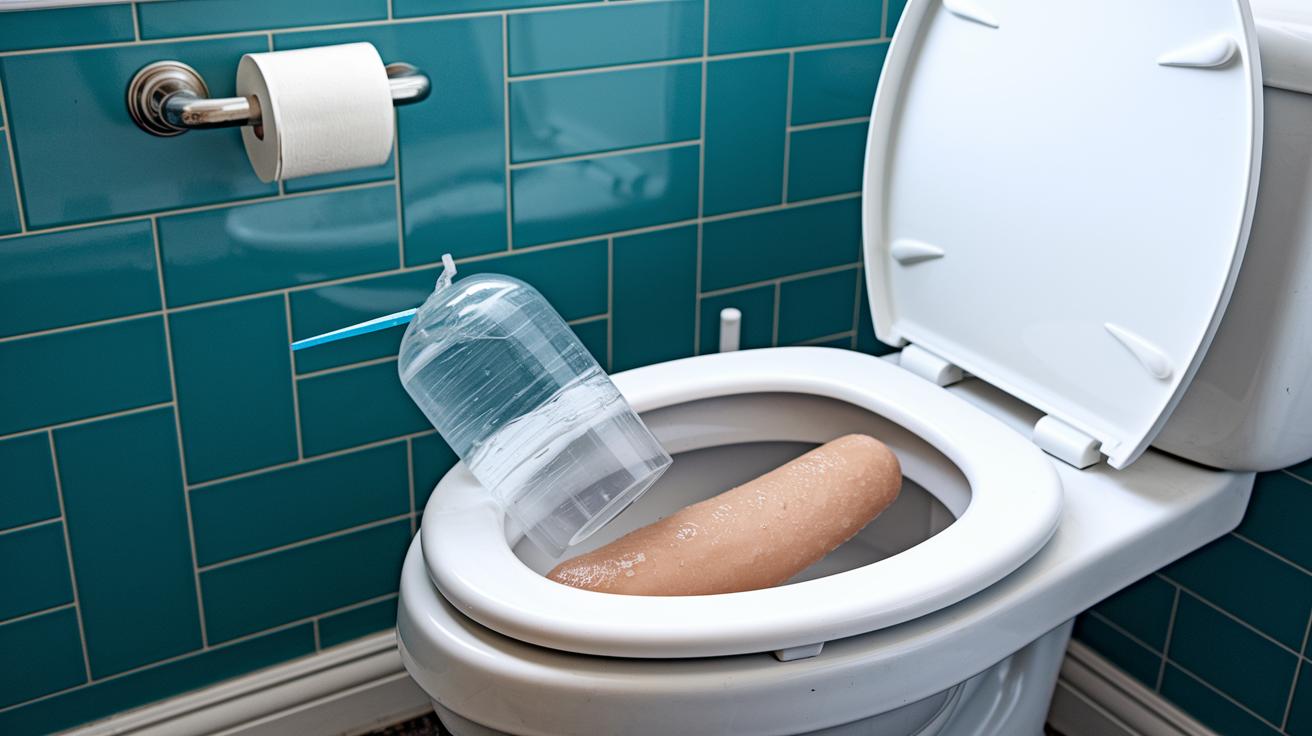
A commercial sitz bath kit is designed with mobility in mind. It's lightweight and comes with a built-in 2-quart water bag for quick, precise water control. It fits right over your toilet seat, making it a fast and convenient way to relieve discomfort after childbirth. Plus, cleaning it is a breeze.
On the other hand, you might prefer setting up a shallow pool in your bathtub. This setup lets you lie back, relax, and even add soothing touches like Epsom salt. It offers a longer, more indulgent soak, though it does take up more room and needs a bit more work to clean up afterward.
| Feature | Commercial Sitz Bath Kit | DIY Bathtub Method |
|---|---|---|
| Portability | Light and compact | Not as mobile |
| Flow Control | Precise water management with a 2-quart bag | Manual water adjustment |
| Soak Experience | Targeted relief for the perineal area | Longer, deeper soak with added ingredients |
Kits are perfect if you need a space-saving option that rinses quickly. Meanwhile, the bathtub method gives you a relaxing, deep soak with your favorite additives. It all comes down to your bathroom space, how much mobility you need, and what feels most comforting for you.
FAQs and Expert Tips on Sitz Baths for Maternal Recovery

-
When should I start using a sitz bath?
After you’ve had your baby, wait for about 24 hours before your first sitz bath. This gives your sutures time to settle. Check the detailed section above if you need more guidance. -
How long should my sitz bath last?
If you’re using a toilet-mounted kit, aim for 10–15 minutes. If you’re using a bathtub, you can soak for up to 20 minutes. It’s a nice little break for you. -
What water temperature should I use?
Keep your water warm at around 97–99°F. Test a few drops on your wrist to be sure it feels just right. A warm soak can feel very soothing. -
Can I add Epsom salt or other additives?
Plain water works well on its own. However, if you’d like a bit more relief, you can add about 1 cup of Epsom salt. Look at the additives section for extra advice. -
When should I avoid a sitz bath?
Skip your sitz bath if you have heavy bleeding, an active infection, or if you’re in a lot of pain. Always trust your body and check the detailed tips for recovery when unsure. -
What should I look for in a sitz bath kit?
Choose a kit that fits securely, is easy to clean, and offers a controlled flow of water. These features help support your recovery. More tips are available in the product guide.
You don’t need to rinse off after your soak unless your skin feels dry. Enjoy your time and take care of yourself!
Final Words
In the action, this article broke down how a sitz bath for postpartum recovery can ease discomfort while promoting healing. It shared a clear guide on setting up a soothing soak, proper additives for gentle relief, and important safety measures.
Each step invites new moms to embrace self-care right at home. With care and confidence, every mother can take valuable steps toward comfort and healing after childbirth. Enjoy the calm, knowing that healing is a gentle process.
FAQ
What is a sitz bath for postpartum recovery (including after a C-section)?
A sitz bath is a warm water soak that cleanses and soothes the perineum after birth. It boosts blood flow and eases discomfort whether you’ve had a vaginal delivery or a C-section.
How do I use or make my own sitz bath for postpartum recovery?
A sitz bath involves filling a clean tub or using a sitz kit with 3–4 inches of warm water (97–99°F). Soak your perineal area for 10–15 minutes to ease irritation and pain.
When and how long should I do a sitz bath after giving birth?
Moms usually start sitz baths 24 hours after delivery. Continue daily until symptoms like swelling, itching, or pain fade, with each session lasting around 10–15 minutes.
How can a sitz bath help with stitches and hemorrhoids after birth?
A sitz bath can soothe perineal stitches and reduce hemorrhoid discomfort. Use gentle warm water and any approved additives, and consult your healthcare provider if you have healing concerns.