
Have you ever thought that a few gentle moves could light up your energy after having a baby? Every mom’s journey back to feeling fit is a bit different, and taking it slow might be just what you need to feel strong again. Right after birth, your body really needs some time to heal before getting back into activity. That’s why we've put together some simple, calming exercises to help you reconnect with your core in a safe and nurturing way. A little peaceful movement might be the start of a beautiful new chapter in your postpartum recovery.
Getting Started with Postpartum Recovery Exercise
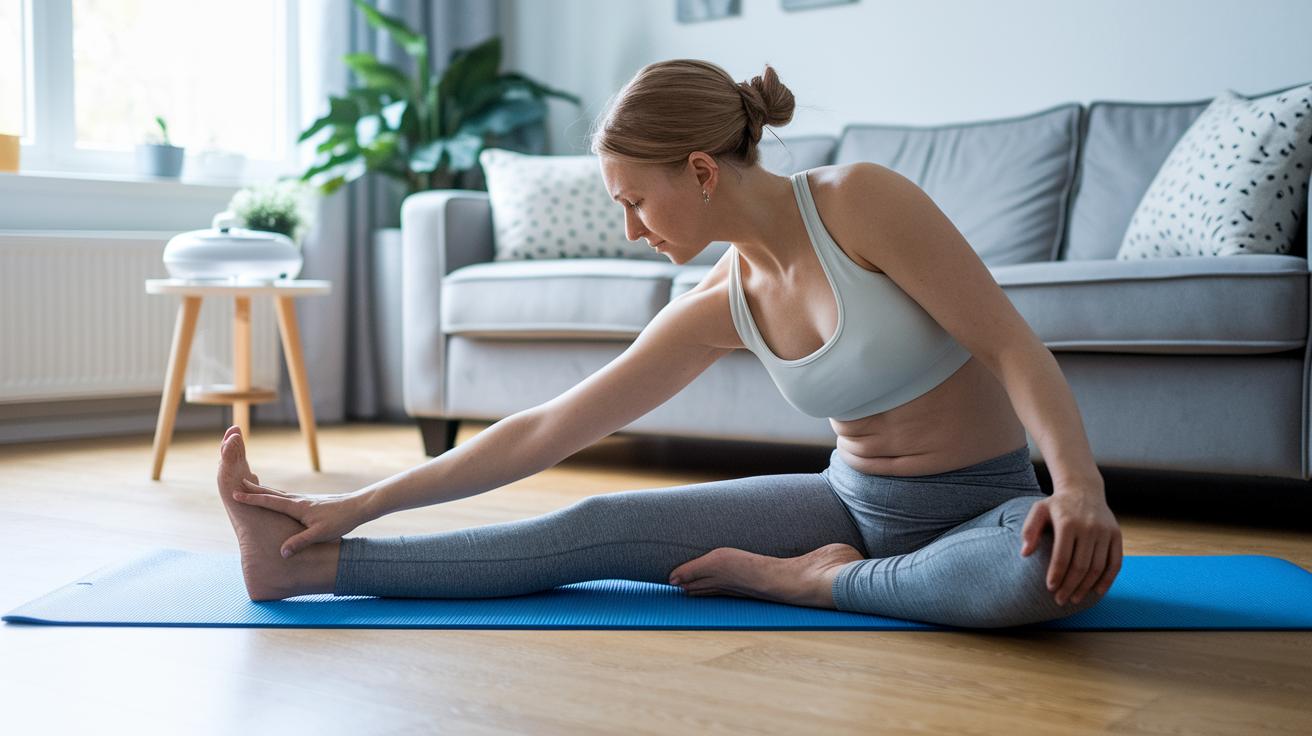
Every mom’s journey back to fitness is a bit different. Right after you give birth, your body needs time to heal. It’s best to wait for the doctor’s go-ahead, usually around six weeks, so your uterus and cesarean cut (if you had one) get a chance to mend properly. This period also gives your stretched tummy and pelvic muscles the time they need to regain strength.
When you’re ready to start moving again, try to keep things gentle. High-impact workouts like jumping, running, or heavy lifting can be too harsh on your recovering body. Instead, begin with easy, nurturing movements that help wake up your core muscles. Picture it as easing slowly into a routine: a little walk or some light stretching can really help you feel stronger and more balanced. Really.
Remember, your body is unique. If you’re breastfeeding, keep in mind that very hard exercise might sometimes influence your milk production. So, it’s a good idea to opt for mild core exercises that re-engage your tummy muscles without overdoing it, almost like slowly stirring a simmering pot instead of letting it boil over.
Most of all, listen to what your body is telling you. Celebrate even the small wins and give yourself extra rest days when needed. Each gentle step you take reinforces stability and sets you up for a safe, refreshing return to strength, ready to meet whatever comes next.
Week-by-Week Postpartum Recovery Exercise Plan

Going back to moving after having a baby is a slow, gentle process. Each week, you listen to your body as it heals at its own pace. In the first week, start with small movements and simple breathing exercises. Picture yourself lying quietly, taking deep breaths, and feeling a calm, steady rhythm.
In week two, focus on gently reconnecting with your pelvic floor. Doing simple moves like pelvic tilts and light Kegels can remind you of your strong core. Then, in week three, try adding full-body mobility drills. Think of a short stretch session that wakes up your arms and legs, setting you up for more active, joyful days.
By week four, many moms start to work on their deep core muscles again. Imagine a soft abdominal workout that strengthens your center without pushing too hard. In week five, shift your attention to your hip muscles with gentle moves like glute bridges. These help build the strength you need for your everyday activities. Come week six, introduce balanced, full-body movements that mix strength, balance, and mobility to boost your energy.
After week six, your exercise plan can evolve into a longer rehabilitation journey over several months. You can slowly increase the workout intensity by adding upper body exercises and more complex moves, always listening to how your body feels.
| Week | Focus Area | Key Exercises | Duration |
|---|---|---|---|
| Week 1 | Minimal Movement & Breath Work | Deep breathing, light stretches | 5-10 minutes per session |
| Week 2 | Pelvic-Floor Reconnection | Kegels, pelvic tilts | 10-15 minutes per day |
| Week 3 | Full-Body Mobility Drills | Gentle stretches, limb movements | 15-20 minutes per session |
| Week 4 | Deep Core Reengagement | Postnatal core exercises, braced planks | 20-25 minutes per session |
| Week 5 | Hip-Musculature Activation | Glute bridges, lower body moves | 20-30 minutes per session |
| Week 6 | Functional Full-Body Movement | Gentle cardio, integrated exercises | 25-30 minutes per session |
| Beyond 6 Weeks | Extended Rehabilitation | Progressive strength and upper body work | 30+ minutes, as tolerated |
Postpartum Core Rehabilitation Exercises
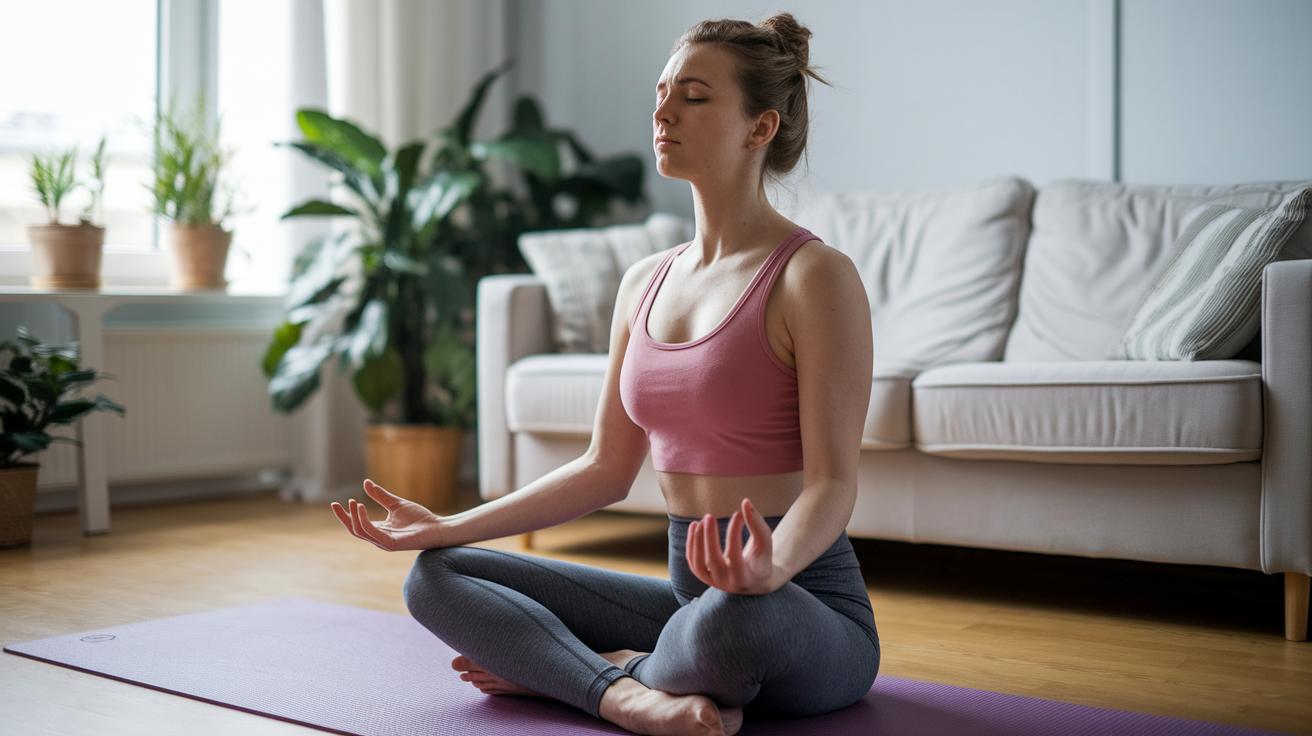
After having your baby, you might notice that your tummy feels stretched and soft. This could sometimes lead to a gap in your abdominal muscles called diastasis recti. It’s really important to start gently rebuilding your core strength after pregnancy. Begin with diaphragmatic breathing. Just take slow, deep breaths to relax your muscles. For example, place one hand on your belly and the other on your chest. Take a slow breath in, letting your belly rise like a soft balloon, and then exhale fully.
Next, try pelvic tilts as a simple way to wake up those core muscles. Lean gently against a wall and tilt your pelvis forward and back. Take your time and move slowly. There’s a free 30-day postpartum program that offers a 10-minute daily session using gentle transverse abdominis (TVA) activations, a mini workout to help nudge your inner core muscles back into action.
It’s best to avoid tough moves like full sit-ups until your deep core feels reconnected, which usually happens around four weeks after delivery. Instead, try easy variations such as gentle crunches with a bit of support or holding a modified plank for a few seconds. Even small changes, like reducing how far you move, can really help.
Remember, each move should feel kind and supportive, not hard or overwhelming. Be patient with yourself. Building core strength after delivery takes time, and listening to your body is key. Enjoy those calm moments as you slowly rebuild your strength, one careful breath and gentle tilt at a time.
Pelvic Floor Strengthening in Postpartum Recovery Exercise
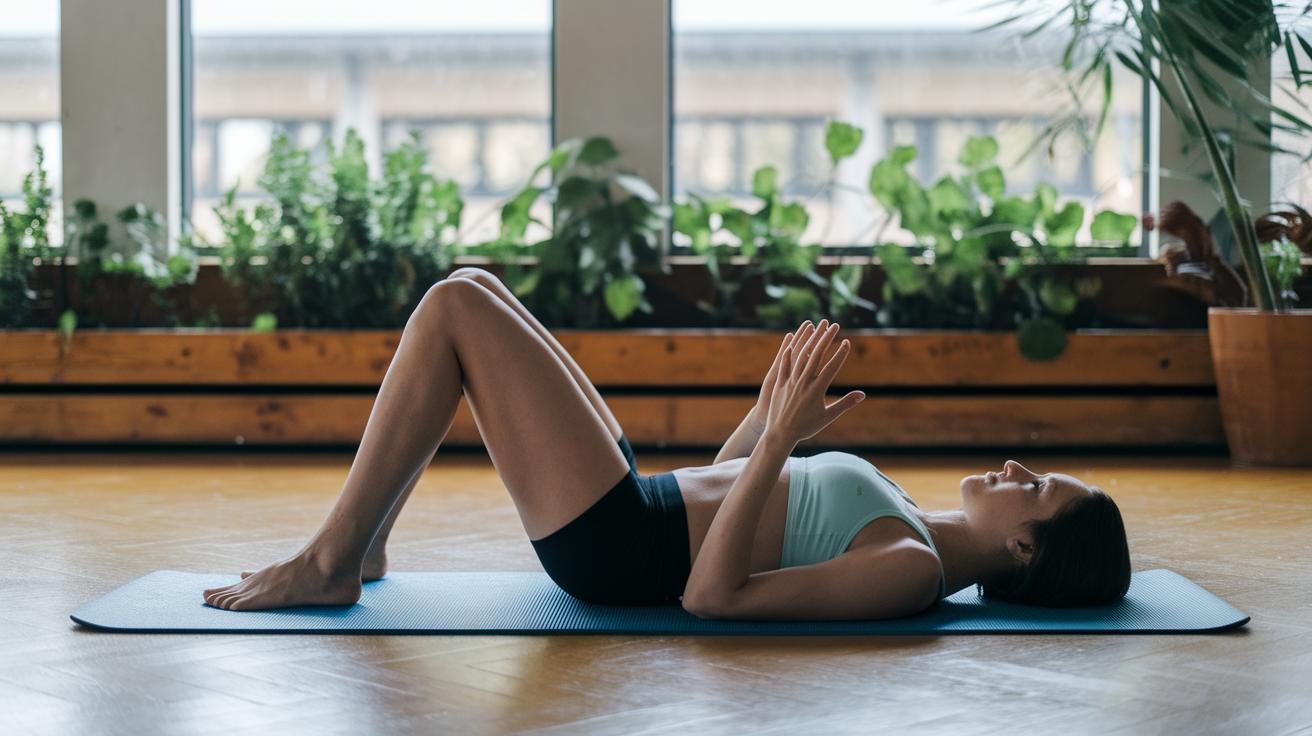
In week two of your recovery, it’s a good time to start gently rebuilding your core strength and regaining control over your bladder. Begin with pelvic floor exercises like Kegels. Try a simple squeeze and hold, imagine stopping your urine midstream, hold for a few seconds, and then slowly let go. It’s a warm, reassuring way to reconnect with your body.
Next, lie on your back with your knees bent and do some pelvic tilts. Gently lift your pelvis to press your lower back into the floor. As you grow more confident, consider adding wall sits and bridges to your routine. For a wall sit, lean against a wall with your knees comfortably bent while letting your pelvic muscles work steadily. When you try a bridge, lift your hips and softly squeeze your pelvic muscles, almost as if you’re giving them a gentle hug.
Take your time with these moves, making sure each step feels safe and supportive. This gradual, caring approach lets you nurture your recovery and celebrate every little win along the way.
Low-Impact Cardio and Mobility for Postpartum Exercise

When you are just starting out, a gentle movement routine can really help. Begin with a simple walk. Think of taking a 20-30 minute stroll on a calm day. This helps your body slowly get used to moving without too much pressure. These low-impact activities not only care for your heart but also give your mood a cheerful lift.
Next, add some full-body stretches to keep your body flexible. Around week three, you might try gentle seated leg extensions. It’s like slowly reaching out for a favorite book on a low shelf. This move helps your legs feel smooth and light. You can also do shoulder rolls. Imagine soft waves rolling over your shoulders to ease any tightness.
Remember, this routine is all about feeling good and safe. These exercises help you connect with your body and support a steady recovery, all while keeping things simple and enjoyable.
Modifications for C-Section Recovery Exercise

Early-Stage C-Section Exercises
At first, it's best to stick with gentle moves while your body heals. Try a calming breathing exercise: sit in a comfy chair, put one hand on your belly, and take slow, deep breaths that make your belly rise and fall. This helps relax your muscles and supports your healing tissues. Next, try gentle pelvic tilts by lying on your back with your knees bent. Slowly tilt your pelvis without pushing too hard on your tummy. Scar-safe stretches like supine pelvic tilts and careful heel slides are great choices because they help wake up your body without putting too much pressure near your scar.
Advanced C-Section Modifications
Once you get the all-clear, usually around six to eight weeks after your C-section, you can start adding a few more active exercises. Begin with seated marches: sit down and lift one foot at a time to help build strength in your lower body while staying gentle near your incision. Another option is the supported bridge. Lie on your back with your knees bent, gently lift your hips, hold for a moment, and then lower them slowly. These exercises help bring your core back into action without putting a sudden load on your healing muscles. Remember to listen to your body and take it slow, every little step is progress on your recovery journey.
postpartum recovery exercise: Energized Fitness Boost
Take about 15 to 30 minutes for your recovery workout. Pick a time that fits your day, maybe early in the morning before everyone else wakes up, during a quiet nap, or after dinner when things have settled down. For example, you might say, "Let’s spend 15 minutes with some gentle stretches and a pair of 5 to 10 lb dumbbells to help wake up the body before the day starts."
Mix in a few core exercises with a little cardio and stretching. Try to move five to six days each week. Some days, you might focus on a 15-minute core routine, and on others, you could enjoy a full-body circuit at your own pace. It’s okay to alternate active days with rest days or even a short 20 to 30 minute walk.
Always listen to your body. Some days you might feel like taking it slow with mindful moves, while other days you could be ready for a bit more energy. Remember, every little bit counts, and slowly, those small steps add up to a big boost in your recovery.
Final Words
In the action, the guide mapped out step-by-step routines for safely easing back into movement after birth. We covered a week-by-week plan, core and pelvic-floor strengthening, low-impact cardio, and special tips for C-section recovery. Each section offers practical advice to help you build strength without overdoing it. This plan supports your postpartum recovery exercise needs by offering clear, easy-to-follow strategies designed for gradual improvement. Keep your focus on gentle progress and embrace every small step toward renewed strength.